
How Dehumidification Protects Properties in Melbourne Under Hardwood Flooring
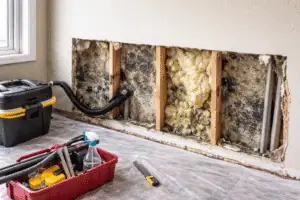
Hardwood floors are a hallmark of elegance in Melbourne homes, but beneath their smooth surface lies a hidden vulnerability: moisture. Florida’s coastal climate, high humidity, and frequent storms can trap moisture under hardwood, leading to warping, mold growth, and structural damage. Proper dehumidification is the key to safeguarding both the beauty and integrity of your floors.
For homeowners in Melbourne, understanding how dehumidification works, why it’s necessary, and how to implement it effectively can prevent costly repairs while ensuring your indoor environment remains comfortable and healthy.
What the Issue Is
Moisture beneath hardwood flooring is often invisible. Even when floors appear dry on the surface, water can accumulate in:
- Subfloors beneath planks
- Crawl spaces or slab foundations
- Areas near AC condensation lines
- Gaps along doors, windows, or exterior walls
When left unchecked, this hidden moisture can cause:
- Cupping and crowning – Wood planks bend due to uneven moisture levels.
- Buckling – Severe water intrusion lifts boards from the subfloor.
- Subfloor deterioration – Plywood or wood joists weaken over time.
- Mold growth – Persistent dampness creates an ideal environment for spores.
In Melbourne, Florida, the combination of high humidity, coastal air, and storm season makes moisture under hardwood a common and serious concern.
Why This Happens So Often in Melbourne
Several factors contribute to moisture accumulation under hardwood floors in Melbourne:
- High Humidity – Indoor and outdoor humidity can exceed 70% during summer, leading to moisture absorption by wood and subfloor materials.
- Storm Season – Hurricanes and heavy rains can introduce water through leaks or minor flooding, saturating subfloors.
- AC Condensation – Air conditioners generate condensation, which can seep into flooring or subfloor areas if drainage is blocked or improperly installed.
- Older Construction – Many Melbourne homes have minimal moisture barriers over slab foundations, allowing rising damp to affect hardwood flooring.
- Plumbing Leaks – Slow leaks from kitchens, bathrooms, or laundry areas often go unnoticed until significant damage occurs.
- Coastal Exposure – Salt-laden air accelerates moisture absorption and can weaken fasteners or adhesives beneath flooring.
These factors make proactive moisture management essential to protect hardwood floors and subfloors in Melbourne homes.
Common Signs Property Owners Notice
Recognizing early warning signs can save homeowners significant expense and prevent structural damage. Watch for:
- Cupping or crowning – Planks that bend along the edges or middle.
- Gaps between boards – Uneven moisture can cause shrinking or expansion.
- Soft or spongy areas – Indicates water has penetrated the subfloor.
- Musty odors – Persistent smells often signal hidden mold or moisture.
- Discoloration – Dark spots or stains on hardwood suggest water infiltration.
Even minor signs warrant attention, as moisture can quickly spread under flooring and compromise structural integrity.
Hidden or Overlooked Sources
Moisture beneath hardwood is often hidden from view, making professional detection important:
- Subfloor leaks – Water trapped beneath plywood or concrete slabs.
- HVAC systems – Leaky ducts or condensate pans can introduce hidden moisture.
- Storm intrusion – Water can seep through doors, windows, or poorly sealed exterior walls.
- Past water damage – Residual moisture may remain after previous flooding or leaks.
A surface-level inspection rarely identifies these hidden sources, so advanced moisture detection is critical.
Why DIY Attempts Usually Fail
Many homeowners attempt to address moisture issues with small fans, mops, or home dehumidifiers. While these may provide temporary relief, they often fail for several reasons:
- Surface drying only – Moisture beneath planks remains trapped.
- Improper humidity control – Fans can create uneven drying, worsening cupping or buckling.
- No measurement of moisture levels – Without meters, it’s impossible to know if subfloors are truly dry.
- Mold risk – Disturbing damp wood without containment can spread spores.
DIY solutions may seem cost-effective but often result in recurring damage and more expensive repairs down the line.
Professional Inspection & Detection Explained
A professional moisture assessment is the first step to protecting hardwood flooring in Melbourne. Experts use multiple tools and techniques:
- Visual inspection – Identifying cupping, discoloration, or soft areas.
- Moisture meters – Pin or pinless devices measure water content in flooring and subfloors.
- Thermal imaging – Detects moisture pockets beneath flooring without removing boards.
- Hygrometer readings – Evaluates indoor humidity levels that impact wood expansion.
- Air quality tests – Detects mold spores that may develop due to hidden moisture.
- Targeted sampling – Small sections of flooring may be lifted to assess subfloor conditions.
Professional inspections ensure accurate detection, minimize damage, and guide appropriate dehumidification measures.
How Dehumidification Protects Hardwood Flooring
Dehumidification removes excess moisture from the air and surrounding materials, preventing long-term damage. The process typically involves:
- High-capacity dehumidifiers – Extract moisture from subfloors, crawl spaces, and room air.
- Air movers – Circulate dry air beneath flooring or in crawl spaces.
- Monitoring humidity levels – Ensures drying progresses safely and prevents over-drying.
- Targeted drying – Focused on areas with the highest moisture content for maximum efficiency.
The benefits of professional dehumidification include:
- Preventing warping and cupping – Keeps wood stable by controlling moisture content.
- Reducing mold risk – Removes the damp conditions that mold needs to thrive.
- Protecting subfloors – Prevents decay in plywood or wood joists beneath hardwood.
- Maintaining indoor air quality – Reduces allergens and prevents musty odors.
For Melbourne homes, dehumidification is not just a convenience—it’s a critical part of preserving hardwood flooring during storm season and high-humidity periods.
Preventive Measures for Homeowners
Alongside professional dehumidification, homeowners can take steps to minimize moisture risks:
- Maintain AC systems – Clean condensate lines and ensure proper drainage.
- Install moisture barriers – Particularly over slabs or concrete subfloors.
- Seal exterior entry points – Doors, windows, and baseboards should be water-tight.
- Monitor indoor humidity – Use hygrometers to maintain safe levels below 60%.
- Promptly repair leaks – Plumbing or roof issues should be addressed immediately.
- Routine inspections – Annual checks by a professional help catch issues before they escalate.
Implementing these measures helps preserve both the structural integrity and aesthetic appeal of hardwood floors.
