
Understanding Air Scrubbing Challenges in Merritt Island After Heavy Rainstorms
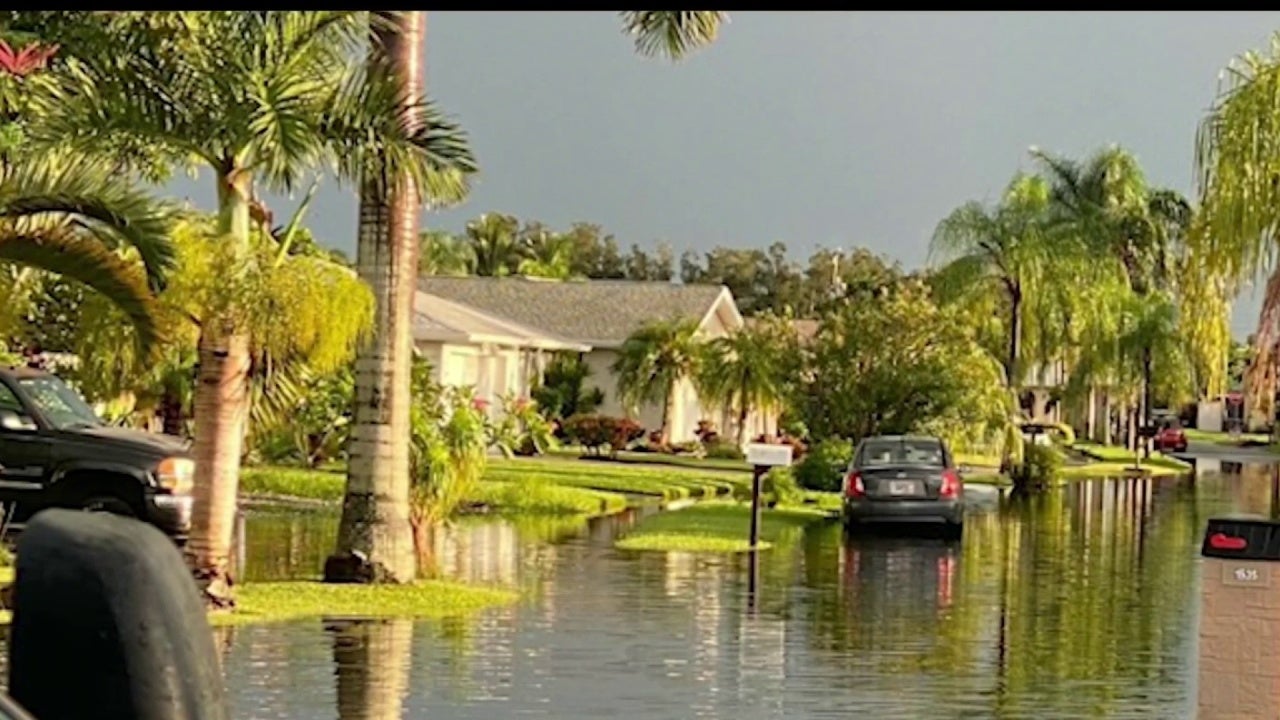
Heavy rainstorms are a common challenge for Merritt Island homeowners, leading to water intrusion, high indoor humidity, and hidden moisture in attics, crawl spaces, and basements. While water extraction and structural drying are critical first steps, air scrubbing plays a vital role in controlling airborne contaminants, mold spores, and odors. However, implementing air scrubbing after a major storm comes with unique challenges that homeowners and property managers must understand to protect property value, indoor air quality, and occupant health.
This article explores the why, how, and challenges of air scrubbing in post-storm environments in Merritt Island, offering guidance on best practices and professional strategies.
Why Air Scrubbing Is Essential After Heavy Rainstorms
1. High Humidity and Mold Risk
- Merritt Island experiences high year-round humidity, which spikes after rainstorms.
- Moist air trapped in homes promotes mold spore proliferation, particularly in attics, crawl spaces, and behind walls.
- Air scrubbing captures these spores and prevents further colonization and spread throughout living areas.
2. Water Intrusion and Hidden Contaminants
- Flooding and stormwater may introduce bacteria, dust, and organic matter into homes.
- Even after water removal, airborne contaminants linger, affecting air quality.
- Air scrubbing is critical for cleaning the air while structural drying continues.
3. Protection of Occupants
- Post-storm mold spores and allergens can trigger respiratory issues, allergies, and other irritations.
- For families, rental properties, or commercial buildings, air scrubbing minimizes exposure during and after remediation.
Common Challenges in Air Scrubbing Post-Storm
1. High Moisture Load
- After storms, the air often carries elevated humidity levels, reducing the efficiency of air scrubbing devices.
- Air scrubbers work best in controlled humidity conditions, but in Florida, humidity can exceed 75%, requiring additional dehumidification first.
2. Hidden Contamination Sources
- Airborne mold may originate from hidden water-damaged areas, including crawl spaces, ceilings, and behind drywall.
- Without first identifying and addressing these sources, air scrubbing may only provide temporary relief.
3. Equipment Placement Challenges
- Crawl spaces and attics often have limited access and low clearance, complicating the strategic placement of air scrubbers.
- Proper airflow patterns must be established to ensure all contaminated air passes through filtration systems.
4. Filter Saturation and Maintenance
- High levels of airborne particles after storms can quickly clog HEPA filters, reducing effectiveness.
- Inspectors must monitor filter condition and replace or clean them frequently during active remediation.
5. Power and Space Limitations
- Running multiple air scrubbers in large homes or commercial properties requires adequate power supply and safe placement.
- In tight spaces, ensuring optimal airflow without obstruction can be challenging.
How Air Scrubbing Works
Air scrubbing uses HEPA filtration and negative ionization to capture airborne particles, spores, and dust. Post-storm air scrubbing involves:
- Establishing Negative Pressure – Prevents contaminated air from spreading to unaffected areas.
- High-Efficiency Filtration – HEPA filters capture mold spores and fine particulates.
- Continuous Air Cycling – Air is drawn from contaminated zones, filtered, and recirculated or exhausted outside.
- Integration With Dehumidification – Reduces humidity to levels that inhibit mold growth.
Combined, these steps minimize mold spore distribution, improve air quality, and complement structural drying efforts.
Step-by-Step Post-Storm Air Scrubbing Strategy
Step 1: Inspection and Assessment
- Identify affected areas, water intrusion points, and moisture hotspots.
- Use thermal imaging, moisture meters, and hygrometers to map the extent of hidden contamination.
Step 2: Source Containment
- Seal off contaminated zones with plastic sheeting and negative air pressure systems.
- Prevent spores from migrating to clean areas during scrubbing.
Step 3: Equipment Placement
- Strategically place air scrubbers for maximum airflow coverage.
- Ensure devices are stable, unobstructed, and positioned to draw air from high-risk areas like crawl spaces or attics.
Step 4: Filtration and Scrubbing
- Run HEPA-filtered scrubbers continuously to capture airborne mold spores and particulate matter.
- Monitor filter saturation and replace as needed to maintain efficiency.
Step 5: Integration With Dehumidification
- Use dehumidifiers and air movers to reduce humidity levels in conjunction with scrubbing.
- Lower humidity enhances air scrubber efficiency and prevents secondary mold growth.
Step 6: Monitoring and Verification
- Conduct air quality testing before and after scrubbing to ensure effective removal.
- Document results for homeowner records, insurance claims, or property management purposes.
Why Professional Expertise Matters
Companies like Inspections and More FL understand the unique challenges of post-storm air scrubbing in Merritt Island:
- Knowledge of high humidity, stormwater intrusion, and hidden contamination paths
- Expertise in proper air scrubber placement, negative pressure setup, and HEPA filter management
- Ability to integrate air scrubbing with structural drying, dehumidification, and mold remediation
- Guidance for long-term monitoring and prevention to reduce recurring problems
Professional guidance ensures that air scrubbing is effective, safe, and targeted, preventing unnecessary exposure and long-term damage.
Long-Term Strategies for Homeowners
- Routine Air Quality Checks – Especially after storms or heavy rain events.
- Annual Thermal Imaging and Moisture Scans – Detect hidden water intrusion before mold develops.
- Integrated Air Scrubbing and Dehumidification – Maintain safe humidity levels in crawl spaces, attics, and basements.
- Prompt Leak Repairs – Address plumbing, roof, and foundation issues immediately.
- Ventilation Improvements – Ridge vents, soffit vents, or mechanical fans reduce trapped moisture and improve air circulation.
Consequences of Ignoring Air Scrubbing Challenges
- Persistent Mold Spores – Increase risk of recurring mold growth after storms.
- Structural Damage – Moisture left untreated can compromise joists, subfloors, and insulation.
- Indoor Air Quality Issues – Musty odors and allergens can affect health and comfort.
- Higher Remediation Costs – Delayed or ineffective air scrubbing increases overall repair and restoration expenses.
Conclusion
After heavy rainstorms in Merritt Island, air scrubbing is a crucial step in post-storm recovery, complementing water extraction, drying, and mold remediation. While challenges like high humidity, hidden contamination, limited access, and equipment management can complicate the process, professional strategies ensure that homes remain safe, structurally sound, and free from airborne mold spores.
By integrating thermal imaging, moisture detection, air scrubbing, dehumidification, and proper containment, homeowners and property managers can protect their investment, maintain indoor air quality, and prevent recurring moisture issues. In Florida’s coastal environment, proactive post-storm air scrubbing is not optional—it’s essential for long-term home protection.
