
Mold Remediation in Palm Bay Behind Interior Walls: How to Avoid Structural Damage
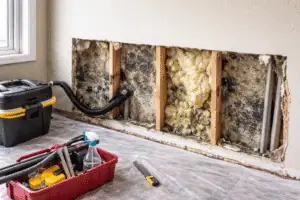
Mold in homes is rarely confined to visible surfaces. In Palm Bay, hidden mold behind interior walls is a common problem, particularly after plumbing leaks, heavy rains, or high indoor humidity. These concealed colonies often go unnoticed until they cause significant structural damage or compromise indoor air quality. For homeowners, understanding how mold remediation works behind walls and why it is critical to protect a home’s structural integrity is essential.
Florida’s unique climate—hot, humid, and storm-prone—makes homes particularly susceptible to hidden moisture. When water infiltrates wall cavities, it creates a perfect environment for mold to thrive. Ignoring the problem can lead to deteriorated drywall, weakened studs, and costly repairs. Early detection and professional remediation are key to avoiding long-term structural issues.
What the Issue Is
Mold growth behind interior walls often occurs unnoticed because it develops where homeowners rarely inspect:
- Plumbing leak pathways – Water traveling from pipes can saturate drywall and insulation.
- Condensation on walls – High humidity and poor insulation can allow moisture to accumulate.
- Storm-related infiltration – Leaks from windows, roofs, or exterior walls can reach interior cavities.
- HVAC systems – Condensation or leaks from ductwork may dampen wall interiors.
If left unaddressed, mold can weaken structural components, compromise insulation, and spread spores throughout the home.
Why This Happens So Often in Palm Bay
Several local factors contribute to hidden mold growth behind walls in Palm Bay homes:
- High humidity – Persistent moisture allows mold to establish itself quickly.
- Storm-prone environment – Heavy rains and occasional flooding introduce water into walls.
- Older construction – Many homes have slab foundations and drywall construction susceptible to water infiltration.
- AC condensation – Inefficient or blocked drainage lines may increase interior moisture.
- Limited ventilation – Poor airflow in wall cavities or small rooms traps moisture, fostering mold growth.
These conditions create ideal circumstances for mold to thrive behind walls, even in areas that appear dry.
Common Signs Property Owners Notice
Although mold may be hidden, several warning signs can alert homeowners to its presence:
- Musty odors – Often the first detectable sign of hidden mold.
- Discoloration on walls or ceilings – Water stains or patchy areas may indicate moisture behind drywall.
- Peeling or bubbling paint – A sign that moisture is trapped under the surface.
- Warped drywall or soft spots – Suggests prolonged moisture exposure affecting structural integrity.
- Increased allergy or respiratory issues – Airborne mold spores can affect indoor air quality.
Recognizing these signs early helps ensure timely inspection and remediation.
Hidden or Overlooked Sources
Mold behind walls often originates from areas homeowners rarely check:
- Within wall cavities – Between studs and inside drywall panels.
- Around plumbing – Water lines in bathrooms, kitchens, or laundry rooms can leak unseen.
- HVAC penetration points – Condensation near ducts or vents may dampen nearby wall surfaces.
- Old leak remnants – Previous water damage may leave residual moisture.
- Storm-damaged exterior walls – Even minor roof or siding leaks can allow water to travel inside.
Professional inspection and moisture detection are crucial for identifying these hidden sources.
Why DIY Attempts Usually Fail
Homeowners often try to clean mold themselves with bleach, sprays, or surface scrubbing. However, DIY efforts are usually ineffective:
- Surface cleaning only – Mold within drywall, insulation, or structural wood remains untreated.
- Moisture not addressed – Without drying and dehumidification, mold quickly regrows.
- Spore spread – Disturbing hidden mold without containment spreads spores throughout the home.
- Structural damage overlooked – Mold often signals compromised studs or substructures that need repair.
DIY solutions may appear to work temporarily but rarely provide long-term results.
Professional Inspection & Detection Explained
Accurate mold remediation begins with a professional inspection and moisture assessment. Key steps include:
- Visual inspection – Identifying stains, warping, or water damage on surfaces.
- Moisture meters – Measure water content inside drywall, studs, and subflooring.
- Thermal imaging – Detects hidden moisture within wall cavities without demolition.
- Air quality testing – Determines the presence of airborne spores.
- Targeted sampling – Confirms mold type and helps plan remediation.
- Assessment of plumbing and HVAC – Ensures sources of moisture are located and addressed.
These techniques help ensure all affected areas are identified before remediation begins.
Proper Remediation & Moisture Control Process
Once mold is detected behind walls, a structured remediation plan protects both structure and health:
- Containment – Isolates affected wall cavities to prevent spore spread.
- Drying and dehumidification – High-capacity equipment ensures wall studs, drywall, and insulation are completely dried.
- Mold removal – Damaged drywall, insulation, or framing is safely removed and replaced.
- Anti-microbial treatment – Prevents regrowth on remaining materials.
- Wall encapsulation – Applied to prevent future mold colonization.
- Moisture source repair – Plumbing, leaks, or drainage issues are corrected.
- Routine monitoring – Ensures humidity and moisture levels remain safe post-remediation.
This comprehensive approach preserves structural integrity and reduces future mold risk.
How Mold Remediation Protects Structural Integrity
Mold remediation behind walls safeguards Palm Bay homes in several ways:
- Prevents wood rot – Drying and treatment protect studs and framing from decay.
- Protects subflooring – Eliminates moisture that could warp or weaken flooring.
- Preserves drywall and insulation – Treated areas maintain structural and thermal function.
- Improves indoor air quality – Removal of hidden mold reduces allergens and musty odors.
- Reduces repair costs – Early intervention prevents expensive structural repairs later.
Effective remediation addresses both the visible and hidden problems for long-term home protection.
Preventive Measures for Homeowners
Homeowners can take steps to reduce the likelihood of mold growth behind walls:
- Inspect plumbing regularly – Check pipes, fixtures, and appliances for leaks.
- Maintain AC systems – Ensure condensate lines and drip pans function properly.
- Improve ventilation – Encourage airflow in bathrooms, kitchens, and crawl spaces.
- Monitor indoor humidity – Keep levels below 60% with dehumidifiers.
- Seal wall penetrations – Properly caulk around windows, vents, and exterior walls.
- Post-storm inspections – Check interior walls and cavities after heavy rains or storms.
Combining routine preventive care with professional moisture detection ensures long-term protection.
