Property Maintenance Insights: Indoor Air Quality Improvement in North Miami Beach
Indoor air quality is something most property owners don’t think about until there’s a noticeable problem. Maybe there’s a musty odor that won’t go away. Maybe tenants complain about stale air. Maybe the AC seems to run constantly but the home still feels humid.
In North Miami Beach and surrounding coastal communities like Sunny Isles Beach, Aventura, Bal Harbour, Surfside, Miami Shores, and Biscayne Park, indoor air quality is closely tied to moisture control. The environment here is warm, humid, and influenced by Biscayne Bay. That combination makes property maintenance different from what you’d see in drier climates.
Improving indoor air quality isn’t about quick fixes. It’s about understanding how air moves through a building, how moisture behaves in coastal conditions, and how HVAC systems interact with the structure itself.
As a local professional working with mold inspection, moisture detection, air duct cleaning, and water damage restoration across North Miami Beach, I’ve seen how small maintenance oversights can slowly affect indoor air quality over time. The good news is that most issues are preventable with the right approach.
What Indoor Air Quality Really Means
Indoor air quality (IAQ) refers to the condition of the air inside a home or property, particularly as it relates to:
- Humidity levels
- Air circulation
- Presence of dust and particulates
- Mold spores
- HVAC system performance
- Ventilation efficiency
In coastal South Florida, humidity control is the foundation of indoor air quality. When moisture is high indoors, everything else becomes harder to manage.
Good air quality feels neutral. There’s no persistent odor. Air doesn’t feel damp or heavy. Rooms cool evenly. Dust doesn’t accumulate unusually fast.
When something feels “off,” it usually traces back to airflow or moisture imbalance.
Why Indoor Air Quality Is a Bigger Issue in North Miami Beach
Living near the water has environmental benefits, but it also introduces ongoing moisture exposure.
Constant Humidity
North Miami Beach experiences elevated humidity most of the year. Even during cooler months, moisture levels remain high compared to inland areas.
Air conditioning systems work continuously to remove humidity. If they aren’t functioning efficiently, indoor moisture can build quickly.
Coastal Air and Salt Exposure
Homes near Sunny Isles Beach and Bal Harbour are exposed to salt-laden air. Salt accelerates corrosion in HVAC components, especially coils and duct connections. Over time, this affects airflow and efficiency.
Frequent Storms and Heavy Rain
During hurricane season and tropical storm events, properties may experience small amounts of water intrusion. Even minor roof or window leaks can introduce hidden moisture into wall cavities or attic spaces.
High AC Dependency
Unlike seasonal climates, AC systems in North Miami Beach run nearly year-round. Continuous operation means ducts, coils, and drain lines must be maintained consistently to avoid buildup.
Without regular maintenance, these systems become the source of air quality issues instead of the solution.
Common Signs of Indoor Air Quality Problems
Property owners and landlords in North Miami Beach often notice subtle indicators first.
Typical signs include:
- Persistent musty smell
- Air feeling damp even with AC running
- Increased dust around vents
- Uneven cooling between rooms
- Condensation on windows
- Tenants reporting stale or heavy air
- Recurring minor mold spots in bathrooms or closets
These signs usually don’t appear overnight. They develop gradually as moisture or airflow problems build up.
Addressing them early prevents larger restoration work later.
The Hidden Role of Moisture in Air Quality
Moisture is the primary driver of indoor air problems in coastal homes.
Even if there’s no visible leak, hidden moisture can exist in:
- Attic insulation
- Air ducts
- Behind drywall
- Under flooring
- Around window frames
- Inside AC drain pans
When moisture lingers, it increases the likelihood of mold growth and affects how air circulates.
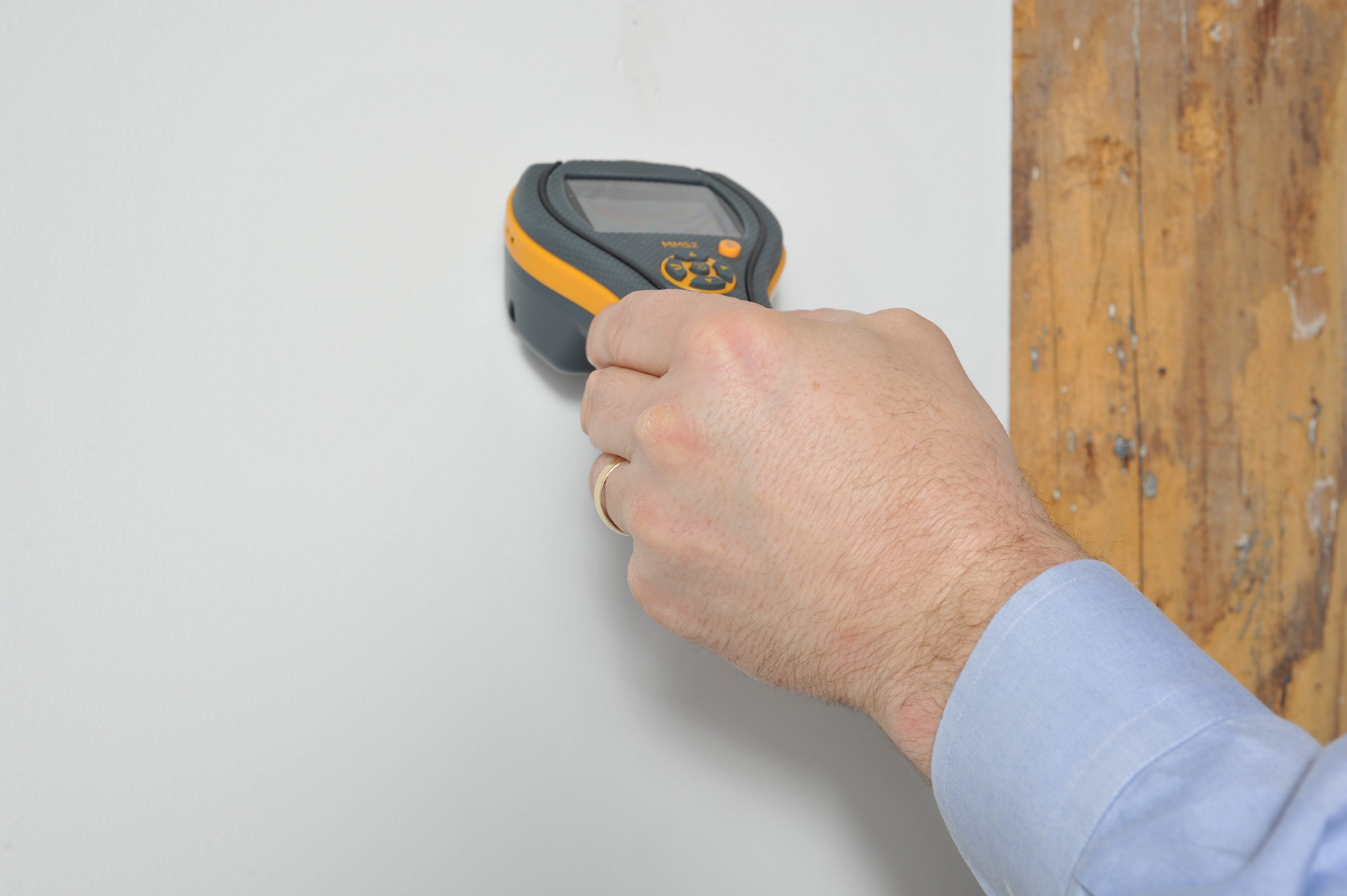
Professional moisture detection tools help determine whether elevated humidity is coming from indoor sources or external intrusion.
In North Miami Beach, moisture mapping is often part of a broader indoor air quality evaluation.
HVAC Systems and Indoor Air Quality
The HVAC system is the center of indoor air regulation.
When properly maintained, it:
- Controls humidity
- Circulates fresh air
- Filters particulates
- Maintains consistent temperature
But when components are neglected, problems begin.
Clogged Drain Lines
AC condensation lines can clog due to algae or debris. When that happens, water backs up into drain pans or ceilings, increasing indoor humidity.
Dirty Evaporator Coils
Dust buildup reduces efficiency and airflow, forcing the system to work harder.
Leaky Ductwork
Unsealed ducts allow attic air — often hot and humid — to mix with conditioned air.
Poor Insulation
Compressed or damaged duct insulation leads to condensation forming inside ceilings.
Regular inspection and air duct cleaning can significantly improve airflow and reduce airborne contaminants.
Air Duct Cleaning and Circulation Improvement
In North Miami Beach homes, air duct cleaning is often necessary when:
- There’s visible dust blowing from vents
- Musty odors circulate when AC runs
- The property has experienced water damage
- Renovation dust entered the system
- Duct insulation has deteriorated
Professional duct cleaning removes buildup inside supply and return lines, improving airflow and reducing recirculated contaminants.
In some cases, duct sealing or insulation replacement may be recommended, especially in older homes in Miami Shores or Biscayne Park.
Improving duct conditions directly impacts indoor air quality.
Water Damage and Its Long-Term Air Effects
Even minor water events can affect indoor air over time.
In North Miami Beach and surrounding areas, common sources include:
- Roof leaks during storms
- Window seal failures
- Slab leaks
- Appliance line leaks
- AC overflow
When materials remain damp, they may not show visible damage immediately. However, elevated moisture levels change the air environment inside the home.
Water removal and proper drying are critical steps. Without thorough drying, humidity remains trapped in building materials.
Tip Top Water and Fire Damage Restoration often addresses indoor air quality concerns that trace back to incomplete drying from older water incidents.
Ventilation and Fresh Air Balance
Many coastal homes are sealed tightly to improve energy efficiency and storm resistance. While this protects the structure, it can limit natural airflow.
Improving indoor air quality sometimes involves:
- Ensuring bathroom exhaust fans function properly
- Checking attic ventilation
- Verifying kitchen ventilation systems work effectively
- Inspecting return air pathways
Balanced airflow helps prevent moisture buildup in isolated areas like closets or storage rooms.
Preventive Property Maintenance Strategies
Indoor air quality improves significantly when preventive maintenance becomes routine.
Here are practical steps for North Miami Beach property owners:
- Replace HVAC filters regularly
- Schedule annual AC inspections
- Clean AC drain lines every 6 months
- Inspect roof and flashing annually
- Check window seals before hurricane season
- Maintain attic ventilation
- Address plumbing leaks immediately
- Schedule periodic moisture inspections
These actions reduce the risk of hidden humidity problems developing into mold or structural issues.
The Connection Between Mold and Air Quality
Mold growth is often the visible result of prolonged moisture imbalance.
In coastal homes, mold may appear:
- Inside closets
- Around vents
- On bathroom ceilings
- Inside air ducts
- Behind baseboards
Mold inspection and testing help determine whether spores are elevated indoors.
If mold is confirmed, proper remediation and moisture correction are necessary. Cleaning surfaces without addressing the source rarely solves the problem.
Indoor air quality improves when moisture sources are eliminated first.
Rental Properties and Tenant Concerns
Property managers in North Miami Beach often receive air quality complaints from tenants before visible damage appears.
Addressing concerns quickly protects both tenant comfort and property value.
Routine inspections between lease turnovers are especially important in coastal markets where humidity fluctuates seasonally.
Preventive maintenance reduces emergency calls and long-term repair costs.
Why Local Experience Matters
Improving indoor air quality in North Miami Beach requires understanding:
- Coastal humidity patterns
- Salt exposure effects
- Hurricane season moisture risks
- Flat roof drainage systems
- Slab foundation behavior
- High AC dependency
Homes in Sunny Isles Beach face different ventilation challenges than properties in Biscayne Park. Bayfront homes may experience stronger wind-driven moisture than inland Miami Shores residences.
Local knowledge allows inspections to focus on the most vulnerable areas first.
Indoor air quality solutions must be tailored to the environment.
A Practical, Long-Term Approach
Indoor air quality improvement isn’t about dramatic changes. It’s about steady, informed maintenance.
In North Miami Beach and surrounding communities, moisture control is the foundation. Once humidity is managed, air quality improves naturally.
If you notice musty smells, uneven cooling, or ongoing humidity concerns, a professional evaluation can identify the source before it becomes a larger issue.
Small adjustments today — whether it’s duct cleaning, moisture detection, water removal, or HVAC maintenance — can make a measurable difference.
Healthy indoor air in coastal South Florida starts with understanding how moisture moves through your property and taking proactive steps to manage it