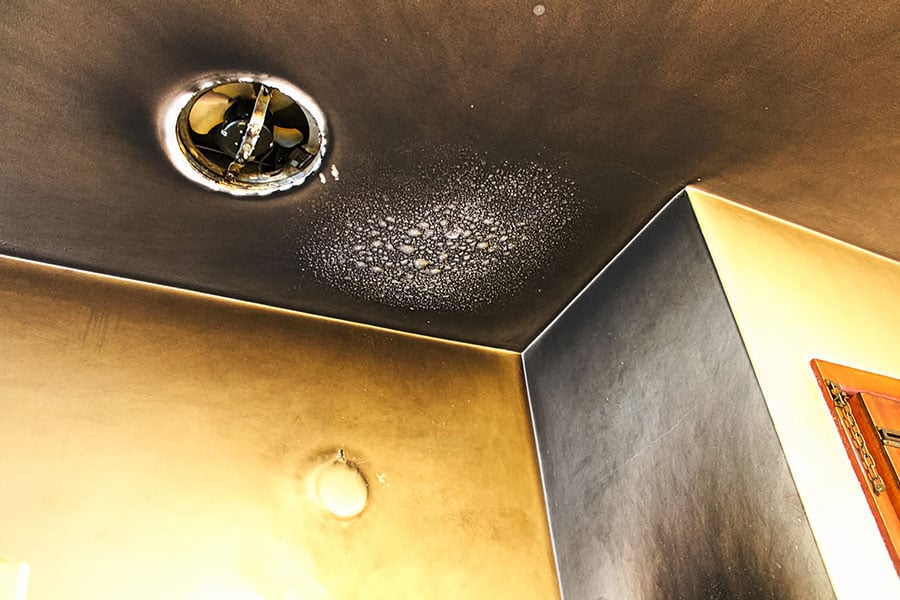
Smoke Damage Cleanup in North Miami Following Indoor Flooding: What to Watch For
Indoor flooding and smoke damage are usually thought of as separate problems. One involves water. The other involves fire. But in North Miami and surrounding communities like North Miami Beach, Aventura, Sunny Isles Beach, Bal Harbour, Surfside, Miami Shores, and Biscayne Park, it’s not uncommon for the two to overlap.
After a kitchen fire, electrical fire, or appliance malfunction, sprinklers or firefighting efforts can lead to indoor flooding. In other cases, flooding from storms or plumbing failures damages electrical systems, creating short circuits and smoke events.
When smoke and water affect a property at the same time, cleanup becomes more complex. The interaction between soot, moisture, humidity, and building materials requires careful attention — especially in South Florida’s coastal climate near Biscayne Bay.
Understanding what to watch for after combined smoke and water damage can prevent long-term structural and air quality problems.
How Smoke and Flood Damage Interact
Smoke damage alone leaves behind soot, odor, and residue that cling to surfaces. Flood damage alone saturates materials, weakens drywall, and raises humidity levels.
When both occur together, moisture causes soot particles to spread deeper into porous materials. Instead of remaining on the surface, smoke residue mixes with water and seeps into:
- Drywall
- Insulation
- Wood framing
- HVAC ductwork
- Flooring materials
- Cabinet interiors
In North Miami’s humid environment, this mixture can become embedded quickly. High humidity slows natural drying, allowing odor and staining compounds to penetrate further.
This is why smoke cleanup after flooding requires more than surface wiping.
Why This Is a Bigger Issue in North Miami
Coastal properties face environmental conditions that make combined damage more challenging.
High Humidity
North Miami’s year-round humidity slows evaporation. After indoor flooding, moisture lingers longer inside walls and ceilings. Smoke particles bond more strongly when materials remain damp.
Salt Air Exposure
Salt from Biscayne Bay accelerates corrosion in metal fixtures and electrical components. If smoke affects wiring or HVAC systems already exposed to coastal air, corrosion and residue can compound damage.
Frequent Storm Activity
Hurricane season and heavy rain events can lead to electrical fires triggered by storm-related power surges. In some cases, firefighting efforts cause additional water intrusion.
Flat Roof and Slab Construction
Many homes in North Miami Beach and Miami Shores feature flat roofs and slab foundations. Water intrusion can move laterally, carrying smoke residue with it across ceilings and flooring.
Because of these regional factors, thorough inspection is critical after any combined smoke and flood incident.
What to Watch For After Smoke and Flood Damage
Property owners often focus on visible charring or standing water. But secondary effects are what cause long-term issues.
Here’s what to monitor carefully:
Persistent Odors
If a smoky smell lingers days after cleanup, it may indicate soot embedded in wet insulation, subflooring, or ductwork.
Discoloration on Walls or Ceilings
Yellow or gray staining that reappears after drying may suggest residue trapped beneath the surface.
Warped Materials
Moisture can cause swelling in drywall and wood. When combined with soot, these materials may darken unevenly.
Corrosion on Fixtures
Metal hardware, vents, and electrical covers may show accelerated rusting after exposure to both moisture and smoke.
HVAC Performance Changes
If smoke traveled through duct systems while moisture was present, residue may now circulate when the AC runs.
These signs often appear gradually.
Hidden and Overlooked Problem Areas
In North Miami homes, certain areas are especially vulnerable after combined smoke and flood damage.
Attic Spaces
Smoke rises naturally. If water from firefighting efforts reaches the attic, soot can mix with damp insulation. In humid coastal air, that insulation may not dry completely without professional dehumidification.
Air Ducts
AC systems in Sunny Isles Beach and Aventura run nearly year-round. If smoke entered the system and water affected ducts, residue may coat internal surfaces.
Duct cleaning and inspection are often necessary to prevent ongoing odor issues.
Behind Cabinets and Appliances
Floodwater can push smoke residue into hidden cavities behind kitchen cabinets and built-in units.
Under Flooring
If water soaked subfloor materials while smoke particles were present, odor can become trapped beneath tile or laminate surfaces.
Professional moisture detection tools help identify these hidden areas before structural deterioration begins.
Why DIY Cleanup Often Falls Short
Surface cleaning is important, but it doesn’t address embedded smoke residue in damp materials.
Common DIY limitations include:
- Wiping visible soot without checking inside walls
- Running household fans without dehumidification
- Using odor sprays that mask, rather than remove, smoke smells
- Failing to inspect HVAC systems
In North Miami’s humid conditions, moisture left behind can reactivate odors even weeks later.
Without proper water removal and structural drying, soot particles remain locked into materials.
The Professional Cleanup Process
Effective smoke damage cleanup following indoor flooding involves several coordinated steps.
1. Water Removal and Drying
The first priority is extracting standing water and reducing humidity using:
- Commercial-grade dehumidifiers
- Air movers
- Moisture monitoring equipment
Drying must reach internal materials, not just surfaces.
2. Damage Assessment
Technicians evaluate which materials can be restored and which require removal.
3. Soot and Residue Removal
Specialized cleaning methods are used depending on the type of smoke residue (wet smoke, dry smoke, protein-based smoke, etc.).
4. HVAC Inspection and Cleaning
Air duct systems are checked to ensure smoke residue and moisture are not circulating through the home.
5. Odor Neutralization
Professional deodorization methods address embedded odor molecules rather than masking them.
6. Structural Repairs
Damaged drywall, insulation, and flooring are repaired once the property is fully dry.
Tip Top Water and Fire Damage Restoration frequently addresses combined smoke and flood incidents across North Miami, where coordinated restoration is necessary to stabilize both moisture and contamination.
Indoor Air Quality After Combined Damage
Smoke and moisture together significantly impact indoor air quality.
In coastal environments like Surfside and Bal Harbour, indoor air already carries higher humidity levels. When smoke residue mixes with moisture inside walls or ducts, air quality can decline further.
Common post-damage concerns include:
- Persistent musty or smoky odors
- Increased dust accumulation
- Irritated airways when AC runs
- Recurring minor mold growth in damp areas
Air quality testing may be recommended in some cases to confirm conditions have stabilized after cleanup.
The Mold Risk Factor
Flooding introduces moisture. Smoke residue adds organic compounds. Together, they create a favorable environment for mold growth.
Mold can develop in:
- Damp insulation
- Ceiling cavities
- Behind baseboards
- Inside duct insulation
- Beneath cabinetry
If moisture is not fully removed, mold remediation may be required later.
In North Miami Beach and Miami Shores properties, high humidity makes proper drying especially important.
Preventing Long-Term Structural Damage
Combined smoke and flood damage can weaken materials if not addressed promptly.
Potential long-term risks include:
- Wood rot
- Metal corrosion
- Insulation breakdown
- Ceiling sagging
- Flooring separation
Early detection and complete drying significantly reduce these risks.
Routine post-restoration inspections ensure no hidden moisture remains.
Storm-Related Electrical Fires and Flooding
In Miami-Dade County, hurricane season adds another layer of risk.
Storm surges, heavy rain, and electrical instability can lead to small electrical fires followed by sprinkler activation or water damage.
In such cases, properties in Biscayne Park and Aventura may experience both smoke contamination and indoor flooding within a short time frame.
After any storm-related incident, a thorough inspection is advisable even if visible damage appears minor.
Why Local Experience Matters
Smoke and flood cleanup in North Miami is not identical to restoration in drier climates.
Local professionals understand:
- How coastal humidity affects drying timelines
- How salt air accelerates corrosion
- How flat roof designs influence water movement
- How slab foundations allow moisture migration
- How continuous AC use impacts air circulation
Experience in bayfront neighborhoods near Biscayne Bay provides insight into where damage typically hides.
A Steady, Informed Response Protects Your Property
When smoke damage follows indoor flooding, the visible damage is only part of the picture.
In North Miami and surrounding coastal communities, moisture and smoke together require careful evaluation.
If your property has experienced:
- A kitchen or electrical fire followed by water use
- Sprinkler system discharge
- Flooding that affected electrical systems
- Persistent smoke odor after drying
…it’s important to ensure both water and smoke contamination have been fully addressed.
Early, thorough cleanup stabilizes the structure, protects indoor air quality, and prevents secondary damage from developing.
In coastal South Florida, taking a steady, informed approach makes all the difference.