
Flood Restoration in Coastal Neighborhoods Near Biscayne Bay in Rental Properties: What to Watch For
Flooding in coastal neighborhoods near Biscayne Bay is not a rare event — it is a recurring risk. Between hurricane season, tropical storms, king tides, heavy summer downpours, storm surge, and aging drainage infrastructure, rental properties in areas like North Miami, Miami Shores, Surfside, and other bay-adjacent communities face ongoing exposure to water intrusion.
For landlords and property managers, flood restoration is not just about drying out a unit. It involves legal responsibilities, tenant safety, structural preservation, mold prevention, and long-term property value protection.
Here’s what property owners should carefully watch for when handling flood restoration in rental properties near Biscayne Bay.
1. The Source of Flooding Matte
Not all flooding is the same. Experienced restoration professionals first determine the source because it directly affects cleanup standards and health risks.
In coastal Biscayne Bay neighborhoods, common flood sources include:
- Storm surge from hurricanes or tropical systems
- King tide saltwater intrusion
- Heavy rain overwhelming drainage systems
- Seawall overtopping
- Groundwater intrusion through slab foundations
- Sewer backup during flooding
Saltwater flooding from Biscayne Bay carries contaminants and corrosive minerals. Sewer-related flooding carries bacteria and requires higher sanitation protocols. Rainwater that enters through roof or window failure can introduce mold risk quickly in humid conditions.
Proper classification determines whether materials can be dried and saved — or must be removed and replaced.
2. Immediate Safety Hazards in Rental Properties
Rental properties present unique safety concerns because tenants may still occupy adjacent units or share building systems.
Watch for:
- Electrical hazards (wet breaker panels, submerged outlets)
- Gas line exposure
- Compromised staircases or walkways
- Slip hazards in hallways
- Mold growth beginning within 24–48 hours
In multifamily buildings common near Biscayne Bay, water can travel vertically and horizontally. A single flooded unit can affect multiple apartments.
Landlords must prioritize safety before cosmetic repairs begin.
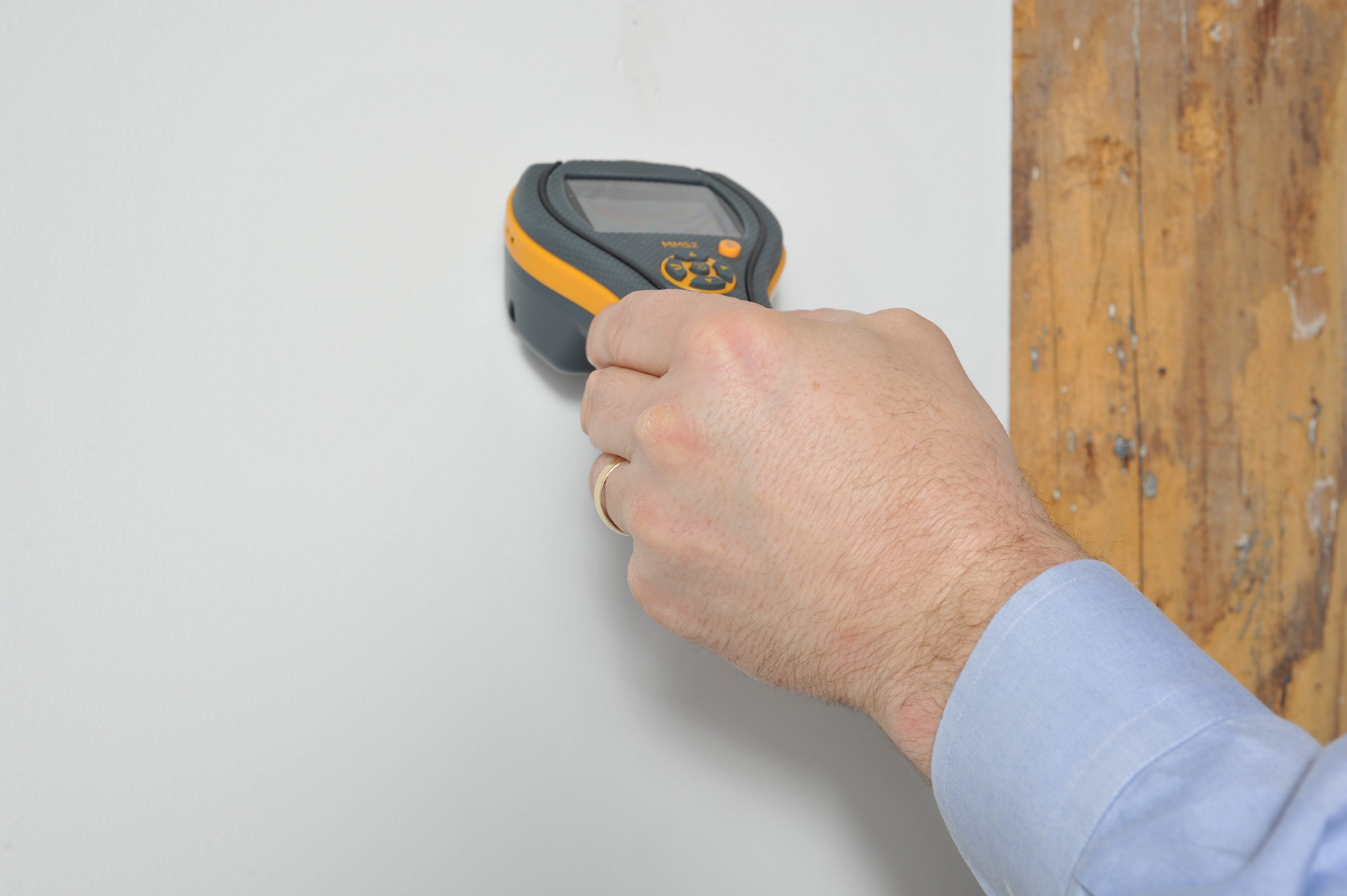
3. Hidden Moisture Behind Walls and Under Floors
In coastal Florida’s humidity, surface drying is not enough.
Experienced inspectors look for:
- Water trapped behind drywall
- Moisture inside insulation
- Wet subfloor beneath tile or laminate
- Swollen baseboards
- Damp framing behind cabinets
Rental units often have layered renovations over time. Flooring may sit over older materials that trap moisture easily.
High humidity near Biscayne Bay slows evaporation. Without professional dehumidification, hidden moisture can remain for weeks — creating mold, odor, and structural decay.
4. Saltwater Corrosion Risks
Flooding near Biscayne Bay often involves saltwater. Salt accelerates deterioration in:
- Electrical wiring
- Metal studs and fasteners
- Door hardware
- Appliances
- HVAC components
- Water heaters
Even after drying, salt residue continues corroding materials.
In rental properties, this can lead to:
- Premature appliance failure
- Rusting structural connectors
- HVAC breakdown
- Long-term electrical risks
Thorough cleaning and sometimes replacement are necessary to prevent ongoing damage.
5. HVAC and Air Quality Contamination
In coastal rental units, HVAC systems often run year-round due to heat and humidity. When flooding occurs:
- Ductwork can fill with contaminated water
- Air handlers may become submerged
- Insulated duct liners can trap moisture
- Mold can begin inside the system
If the HVAC system is not properly inspected and cleaned, it can distribute contaminated air throughout the unit.
Tenants may later complain of:
- Persistent musty odors
- Respiratory irritation
- Allergy symptoms
- Reduced cooling performance
Air quality testing and duct inspection are often necessary after significant flooding.
6. Slab Foundations and Groundwater Intrusion
Many homes and rental properties near Biscayne Bay are built on slab foundations. During heavy rain or king tides, groundwater levels rise significantly.
Water may enter through:
- Hairline slab cracks
- Expansion joints
- Plumbing penetrations
- Floor-wall transitions
Even when visible water recedes, moisture can remain in the slab.
Long-term issues include:
- Flooring adhesive failure
- Tile cracking
- Warping of laminate or engineered wood
- Mold growth under flooring
Moisture mapping helps determine whether flooring should be removed rather than dried in place.
7. Mold Risk in Coastal Rental Properties
Humidity in North Miami and surrounding Biscayne Bay communities is already elevated. After flooding, conditions become ideal for mold growth.
Mold can begin forming in:
- Drywall paper backing
- Insulation
- Cabinet interiors
- Closet walls
- Behind appliances
Rental properties are especially vulnerable because:
- Tenants may delay reporting minor leaks
- Units may remain vacant with no climate control
- Shared walls allow cross-contamination
Landlords must act quickly to avoid habitability disputes and potential legal issues related to mold exposure.
8. Tenant Habitability and Legal Responsibilities
Flood restoration in rental properties involves more than physical repairs. Landlords must consider:
- Habitability standards
- Temporary relocation needs
- Lease obligations
- Insurance claim documentation
- Clear communication with tenants
If flood damage makes a unit unsafe, delaying repairs can increase liability.
Thorough documentation is essential:
- Photos before cleanup
- Moisture readings
- Professional inspection reports
- Drying logs
- Repair records
Clear documentation protects property owners during insurance claims and potential tenant disputes.
9. Roof and Building Envelope Failures
In coastal neighborhoods, flood events are often tied to storm damage.
Inspectors evaluate:
- Roof membrane punctures
- Flat roof pooling
- Failed flashing
- Window seal damage
- Balcony door leaks
Water entering from above can travel through multiple units before becoming visible.
Repairing interior damage without fixing the envelope leads to repeat flooding.
10. Electrical System Inspections
Floodwater — especially saltwater — can compromise electrical systems even if outlets appear functional.
Inspection areas include:
- Breaker panels
- Junction boxes
- GFCI outlets
- Exterior meters
- Wiring in walls
Salt contamination may cause slow corrosion that leads to overheating months later.
Electrical evaluation is especially important in older Biscayne Bay properties.
11. Insurance and Documentation Challenges
Flood insurance policies differ significantly from standard property insurance.
Property owners should watch for:
- Coverage limitations for saltwater intrusion
- Exclusions for sewer backup
- Documentation requirements
- Depreciation disputes
Detailed restoration reports and professional moisture readings strengthen claims.
12. Long-Term Preventative Considerations
After restoration, rental property owners near Biscayne Bay should consider:
- Installing sump pumps where applicable
- Sealing slab cracks
- Upgrading drainage systems
- Improving grading around foundations
- Elevating HVAC equipment
- Installing flood barriers for ground-level units
Proactive improvements reduce repeat damage.
13. The Importance of Comprehensive Restoration
Flood restoration in coastal neighborhoods near Biscayne Bay requires more than cosmetic cleanup. It demands:
- Moisture detection
- Controlled structural drying
- Corrosion prevention
- HVAC inspection
- Mold risk assessment
- Electrical evaluation
For rental property owners in North Miami and surrounding bayfront areas, early intervention protects:
- Property value
- Tenant safety
- Legal compliance
- Insurance eligibility
- Long-term structural integrity
Final Thoughts
Flooding in coastal neighborhoods near Biscayne Bay is an ongoing environmental reality. Rental properties face unique restoration challenges due to shared systems, tenant occupancy, slab construction, saltwater exposure, and humid conditions.
What property owners must watch for goes far beyond visible water damage. Hidden moisture, corrosion, HVAC contamination, mold risk, and structural weakening can continue long after floodwaters recede.
Careful inspection, thorough documentation, and complete restoration — not just surface drying — are essential for protecting both the property and its occupants.
In coastal Florida, proactive and detailed flood restoration is not just a repair process — it is a long-term investment in stability, safety, and resilience.
