
Sanford Homes Dealing With Air Scrubbing After Roof Failures: Long-Term Protection Strategies
Roof failures are a common issue for homeowners in Sanford, especially along the coast where storms, heavy rain, and high winds regularly test building structures. While most people immediately focus on repairing visible damage—leaks, missing shingles, or interior water stains—there’s a critical follow-up that many overlook: air scrubbing and indoor air quality management.
When a roof fails, water intrusion often leads to hidden moisture in attics, wall cavities, and ceilings. This creates ideal conditions for mold growth, airborne spores, and indoor air contamination. Proper air scrubbing, combined with long-term strategies, is essential to protect the home and prevent recurring problems.
Why Air Scrubbing Is Necessary After Roof Failures
Roof failures can introduce both water and airborne contaminants into a home. While water damage may be visible, microscopic spores often become suspended in indoor air, creating health risks and structural threats.
Air scrubbing serves several critical functions:
- Captures airborne spores: Prevents mold and dust from spreading to unaffected areas.
- Supports remediation: Works alongside structural drying and dehumidification.
- Improves indoor air quality: Reduces musty odors and potential allergen exposure.
- Prevents recurring contamination: Ensures spores do not resettle during drying.
For coastal Sanford homes, high humidity and storm exposure make air scrubbing a vital part of post-roof-failure recovery.
Common Challenges in Sanford Homes
Sanford properties face unique conditions that complicate air scrubbing and long-term protection:
1. Hidden Moisture
- Attic insulation and roof decking often retain water long after visible leaks are repaired.
- Wall cavities and ceilings may harbor moisture that allows mold growth to continue unchecked.
2. Limited Access
- Attics with low clearance, tight crawl spaces, and multi-level ceilings make placement of air scrubbers challenging.
- HVAC systems may unknowingly circulate spores throughout the home if not inspected.
3. High Humidity
- Florida’s humidity slows drying and encourages spore proliferation.
- Even after water removal, without proper dehumidification, airborne mold can remain active.
4. Storm-Related Damage
- Repeated tropical storms or hurricanes increase water intrusion risk.
- Homes near water bodies or wetlands are particularly susceptible to hidden moisture behind walls and under floors.
Recognizing When Air Scrubbing Is Needed
Homeowners should look for warning signs that indicate airborne contamination may be present:
- Persistent musty odors, even after water removal
- Visible mold on ceilings or in attics
- Recurrent allergy or respiratory irritation
- Dusty residue after storms
- Water stains with discoloration in drywall or flooring
Early recognition allows remediation teams to implement air scrubbing before spores spread further.
How Professional Air Scrubbing Works
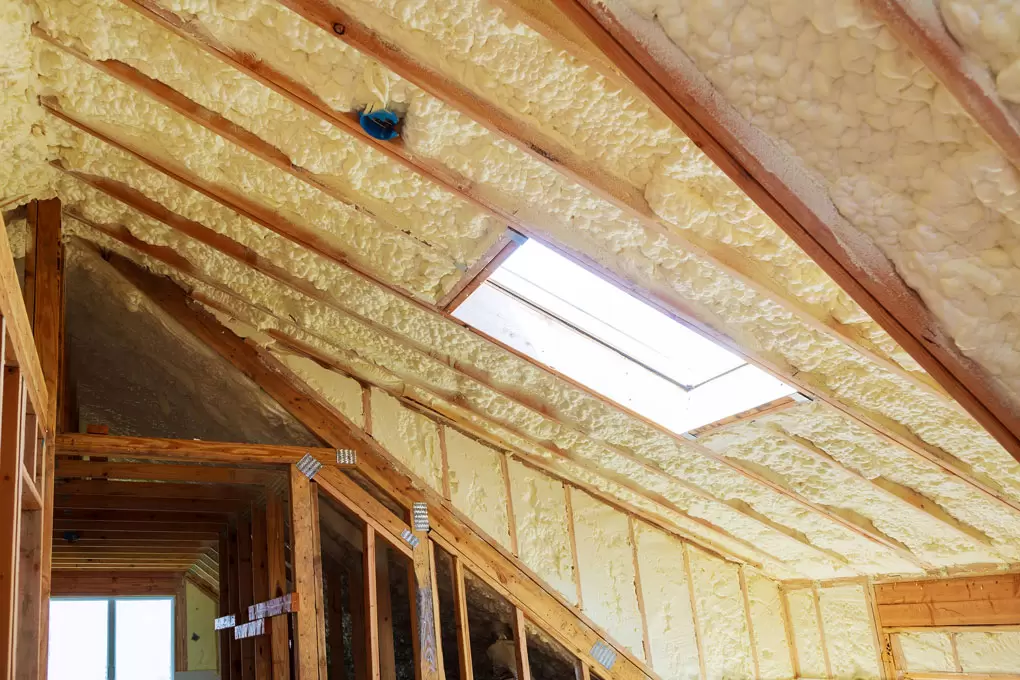
Air scrubbing typically involves the following steps:
Step 1: Containment
- Affected areas are isolated using plastic sheeting or negative air pressure to prevent spores from spreading.
Step 2: Air Filtration
- High-efficiency particulate air (HEPA) scrubbers remove airborne mold spores, dust, and debris.
- Scrubbers may operate for several days, depending on contamination levels.
Step 3: Coordinated Drying
- Air scrubbers work alongside dehumidifiers and fans to accelerate drying.
- Drying materials reduces mold regrowth risk and stabilizes indoor humidity.
Step 4: Monitoring
- Technicians measure particle counts, humidity, and moisture content to ensure effectiveness.
- Adjustments are made to scrubber placement or airflow as needed.
Long-Term Protection Strategies
Air scrubbing is a critical immediate response, but long-term strategies are essential to prevent recurring problems.
1. Roof Maintenance
- Regular inspections of shingles, flashing, and gutters prevent water intrusion.
- Prompt repair of storm damage reduces the likelihood of hidden moisture.
2. Attic Ventilation
- Proper ventilation prevents condensation buildup.
- Installing ridge vents, soffit vents, or exhaust fans helps circulate air and reduces humidity.
3. Crawl Space and Foundation Moisture Control
- Use vapor barriers in crawl spaces to limit ground moisture.
- Ensure proper drainage around the home to prevent water pooling near foundations.
4. HVAC System Inspection
- Air ducts, condensate lines, and coils should be inspected for moisture accumulation.
- HVAC maintenance helps prevent circulation of spores to living areas.
5. Continuous Humidity Monitoring
- Ideal indoor humidity ranges between 45–55% to prevent mold proliferation.
- Digital hygrometers and smart sensors help homeowners maintain proper levels.
6. Post-Storm Evaluations
- Inspect the home after hurricanes or heavy rainfall for leaks, staining, or dampness.
- Early detection allows faster remediation and reduces long-term costs.
Common Mistakes to Avoid
Based on local Sanford cases, homeowners often make errors that reduce the effectiveness of air scrubbing:
- Ignoring attic or wall moisture: Focusing only on visible water damage misses hidden mold sources.
- Relying solely on portable fans: Without proper filtration, airborne spores remain in circulation.
- Delaying remediation: Waiting weeks after a roof leak increases contamination and structural deterioration.
- Neglecting HVAC systems: Duct contamination spreads spores throughout the home.
Benefits of Local Expertise
Working with local professionals, such as Inspections and More FL, ensures:
- Knowledge of Sanford’s climate and storm patterns
- Experience with common building materials and attic designs
- Efficient containment and drying techniques
- Effective integration of air scrubbing into long-term prevention plans
Local expertise improves both immediate remediation outcomes and ongoing property protection.
Cost and Time Considerations
- Immediate air scrubbing and moisture management are cost-effective compared to dealing with prolonged mold growth.
- Delays or incomplete remediation increase the likelihood of structural repairs, repeated remediation, and long-term air quality issues.
- Properly executed air scrubbing combined with preventive strategies reduces repeat intervention and protects home value.
When to Call Professionals
Contact a mold remediation specialist if you observe:
- Water intrusion from roof leaks
- Musty odors in attics or living areas
- Visible mold growth after a storm
- HVAC-related damp air
- Recurring staining or bubbling paint
Prompt evaluation ensures that air scrubbing is implemented effectively and long-term protection measures are established.
Conclusion
Air scrubbing is a crucial component of post-roof-failure remediation for Sanford homes, particularly in coastal environments. While water removal and structural drying address immediate damage, air scrubbing ensures that airborne spores are removed and indoor air quality is restored.
Coupled with long-term strategies—roof maintenance, attic ventilation, HVAC inspection, humidity monitoring, and post-storm evaluations—Sanford homeowners can protect their properties from recurring mold, structural deterioration, and costly remediation. Early intervention, professional expertise, and consistent moisture control are the keys to maintaining a healthy, resilient coastal home.
