
Why Air Scrubbing Becomes Necessary in Sanford After Flooding Events
Sanford homeowners and property managers know that flooding events are not just inconvenient—they can create hidden, long-lasting damage inside homes and commercial properties. After floodwaters recede, many people focus on water removal and structural repairs, but one critical step is often overlooked: air scrubbing. This process is essential to restore indoor air quality, remove airborne contaminants, and prevent long-term microbial growth.
Florida’s climate—characterized by high humidity, frequent storms, and a high water table—makes Sanford properties especially vulnerable to post-flooding air contamination. Understanding why air scrubbing is necessary, how it works, and how it fits into a complete remediation plan is essential for protecting homes, businesses, and health.
The Hidden Risks After Flooding
Floodwaters carry more than just dirt and debris—they can introduce:
- Bacteria and viruses from stormwater or sewage
- Mold spores that thrive in damp environments
- Dust and particulate matter stirred up during cleanup
- Chemical contaminants from nearby roads, yards, or industrial areas
Even after visible water is removed, airborne contaminants can remain suspended, settle on clean surfaces, and spread throughout the property. This is where air scrubbing becomes critical.
Why Air Scrubbing Is Essential
Air scrubbing is the process of using HEPA-filtered air filtration units to remove suspended particles from indoor air. Its key benefits include:
1. Removing Airborne Mold Spores
- Flooded areas provide ideal conditions for mold to grow in wall cavities, attics, and under flooring.
- Air scrubbing captures spores before they settle, reducing the risk of recurring contamination.
2. Improving Indoor Air Quality
- Flooding can leave a musty, contaminated odor even after visible water is gone.
- Air scrubbers filter dust, debris, and microbial particles, improving air quality for occupants.
3. Supporting Structural Drying
- Air scrubbers work in tandem with dehumidifiers and fans to circulate air and accelerate drying of walls, floors, and ceilings.
- Enhanced airflow helps prevent moisture pockets that can lead to mold regrowth.
4. Preventing Secondary Damage
- Removing spores and airborne particles reduces the likelihood of recurring mold, minimizing long-term damage.
- Proper air scrubbing lowers cleanup costs and protects property value.
Common Challenges in Sanford Properties
Sanford properties face several unique challenges that make air scrubbing after flooding especially important:
1. High Humidity
- The humid coastal climate slows natural drying and encourages microbial growth.
- Even after floodwaters are removed, moisture remains trapped in walls, insulation, and wood framing.
2. Hidden Moisture
- Water can infiltrate subflooring, wall cavities, and attics.
- Without air scrubbing, spores released from these areas can circulate and contaminate previously unaffected rooms.
3. Older Home Construction
- Many Sanford homes have older framing, insulation, or HVAC systems that retain moisture longer.
- These homes are more susceptible to hidden microbial growth if airborne spores are not captured.
4. HVAC Contamination
- Airborne contaminants can enter ductwork, spreading spores throughout the property.
- Air scrubbing prevents contamination of clean areas and protects the HVAC system from becoming a long-term source of spores.
Recognizing the Need for Air Scrubbing
Homeowners and property managers should consider air scrubbing after flooding if they notice:
- Persistent musty odors even after water removal
- Visible mold growth on walls, ceilings, or floors
- Dusty residue or fine particles in the air after cleanup
- Increased allergy or respiratory symptoms among occupants
- High indoor humidity levels or condensation on windows
Early implementation of air scrubbing reduces health risks and prevents additional structural damage.
How Professional Air Scrubbing Works
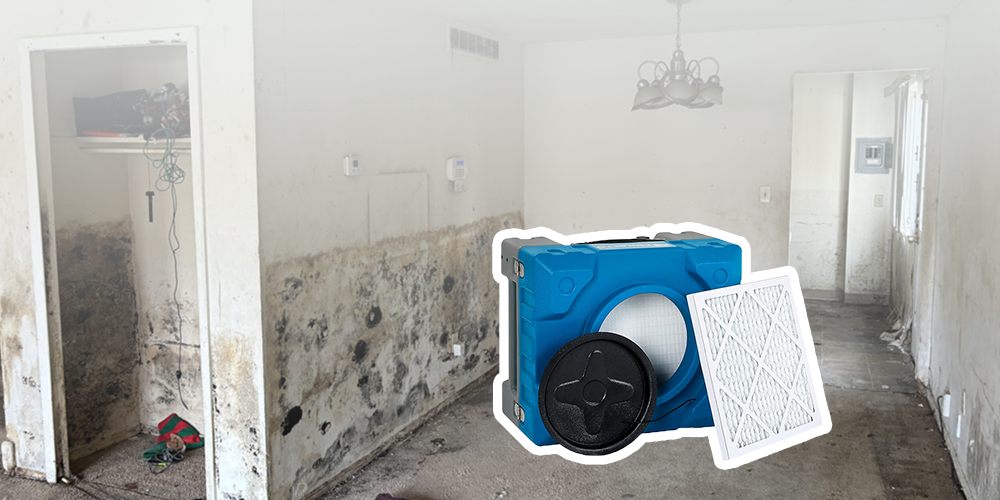
Professional air scrubbing typically involves several coordinated steps:
Step 1: Inspection and Assessment
- Technicians identify moisture hotspots, contaminated areas, and HVAC system involvement.
- Determine the type of airborne contaminants, including mold, bacteria, and debris.
Step 2: Containment
- Flooded areas may be sealed with plastic sheeting or negative air pressure systems to prevent spores from spreading.
- This ensures air scrubbers are effective in targeted areas.
Step 3: HEPA Filtration
- High-efficiency particulate air (HEPA) units remove airborne spores, dust, and particulate matter.
- Units operate continuously until air quality tests confirm contamination levels are reduced.
Step 4: Coordination With Drying Equipment
- Air scrubbers are used alongside dehumidifiers and industrial fans.
- This enhances airflow and speeds up the drying process, preventing moisture pockets from harboring mold.
Step 5: Monitoring and Follow-Up
- Air quality is measured post-treatment to ensure effectiveness.
- Additional treatments may be scheduled if spores or contaminants remain elevated.
Integration With Long-Term Flood Recovery
Air scrubbing is most effective when incorporated into a comprehensive flood remediation plan:
1. Moisture Removal
- Immediate water extraction with pumps and vacuums
- Structural drying with dehumidifiers and air movers
2. Structural and Material Inspection
- Identify areas of rot, compromised drywall, or insulation replacement
- Remove and treat contaminated materials before fogging or air scrubbing
3. Anti-Microbial Treatments
- Fogging or surface treatments applied after initial drying to prevent microbial regrowth
- Air scrubbing ensures spores from these areas do not contaminate other rooms
4. HVAC and Ductwork Cleaning
- Air scrubbing prevents spores from entering HVAC systems
- Duct cleaning may be necessary in older homes or commercial properties to remove trapped contaminants
5. Post-Flood Monitoring
- Humidity sensors track conditions until indoor levels stabilize
- Early detection prevents future microbial problems
Common Mistakes to Avoid
- Skipping air scrubbing after floodwater removal: Leaves airborne spores that settle and regrow.
- Relying solely on fans: Fans circulate spores without removing them.
- Ignoring HVAC contamination: Can lead to widespread recontamination.
- Delaying remediation: Waiting too long allows microbial colonies to establish, increasing costs.
Importance of Local Expertise
Local Sanford professionals, such as Inspections and More FL, bring critical knowledge to flood remediation:
- Understanding of local climate, humidity, and storm patterns
- Experience with common construction types and HVAC systems in Sanford homes
- Ability to coordinate containment, air scrubbing, and moisture control efficiently
- Long-term prevention strategies tailored to Florida’s coastal environment
Local expertise ensures air scrubbing is applied safely, effectively, and as part of a comprehensive flood recovery plan.
Cost and Time Considerations
- Early professional air scrubbing reduces the likelihood of recurring mold, structural damage, and indoor air quality issues.
- Delays in treatment increase remediation costs and may necessitate repeated interventions.
- Integrating air scrubbing with dehumidification, drying, and anti-microbial treatments is cost-effective over the long term.
When to Call Professionals
Homeowners and property managers should seek professional air scrubbing if they notice:
- Visible mold growth after flooding
- Musty odors or airborne debris in previously cleaned areas
- Persistent high humidity or condensation
- HVAC-related contamination
- Evidence of recurring microbial growth despite cleanup
Prompt intervention ensures that airborne contaminants are removed and indoor air quality is restored, protecting both property and occupants.
Conclusion
Flooding events in Sanford create a complex set of challenges that extend beyond visible water damage. Air scrubbing is essential for removing airborne mold, bacteria, and debris, protecting indoor air quality, and preventing long-term microbial growth.
When combined with water extraction, dehumidification, anti-microbial treatments, and structural inspections, air scrubbing provides a comprehensive solution to post-flood contamination. Early professional intervention, local expertise, and continuous monitoring are key to maintaining safe, healthy, and resilient properties in Sanford after flooding events.
