
Sanford Homes Dealing with Structural Dryouts Inside Commercial Buildings — Warning Signs You Should Never Ignore
Sanford has a mix of historic properties, newer developments, waterfront commercial spaces, and light industrial buildings. With Central Florida’s humidity, summer storms, and occasional tropical systems, moisture intrusion is not uncommon — especially inside commercial structures.
When water makes its way into a building, visible damage is only part of the concern. What often matters more is what’s happening inside walls, beneath flooring, and within structural materials. That’s where structural dryouts come in.
If you manage or own commercial property in Sanford, understanding the warning signs that require structural drying can prevent long-term damage, business interruption, and costly repairs.
Let’s take a closer look at what structural dryouts involve — and the red flags you should never ignore.
What a Structural Dryout Actually Means
A structural dryout is the controlled removal of moisture from building materials after water intrusion.
This process goes beyond surface drying. It targets moisture trapped inside:
- Drywall
- Wood framing
- Concrete slabs
- Subflooring
- Insulation
- Ceiling cavities
In commercial buildings, water can travel farther and faster than many property owners realize. Open floor plans, shared wall systems, and large HVAC systems create pathways for moisture migration.
Structural drying uses specialized equipment such as:
- Industrial dehumidifiers
- Air movers
- HEPA air scrubbers
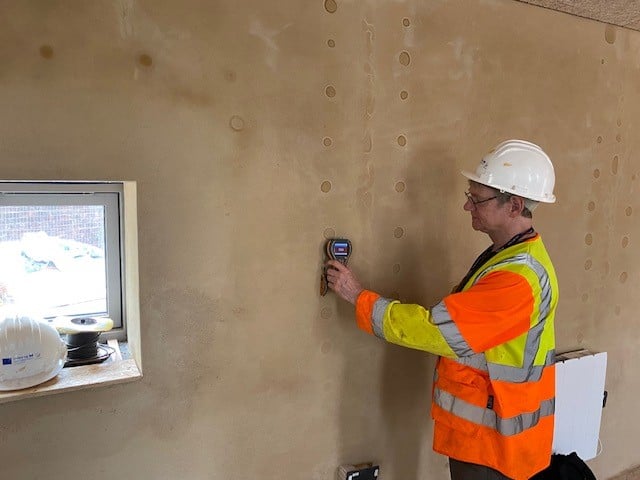
- Moisture detection tools
The goal is to return materials to safe moisture levels before deterioration or mold growth develops.
Why Sanford Commercial Buildings Are Vulnerable
Sanford properties face several environmental factors that increase moisture risk:
High humidity
Central Florida humidity levels remain elevated much of the year.
Heavy rain cycles
Summer storms and tropical systems can overwhelm drainage systems.
Older construction
Historic buildings may lack modern waterproofing barriers.
Flat roofing systems
Common in commercial structures, these are more prone to ponding water.
AC condensation
Large commercial HVAC systems produce significant condensation.
Even minor roof leaks or plumbing failures can quickly affect multiple areas in a commercial space.
Warning Signs You Should Never Ignore
Structural moisture problems often begin quietly. Early signs are easy to overlook, especially in busy commercial environments.
Here are critical warning signs that require immediate attention:
Persistent musty odors
A lingering damp smell often indicates hidden moisture within walls or ceilings.
Ceiling stains or bubbling paint
Discoloration after storms suggests water intrusion above ceiling tiles.
Warped baseboards or flooring
Subfloor moisture can cause subtle expansion before visible damage worsens.
Soft drywall
Walls that feel slightly soft or spongy may contain trapped moisture.
Condensation on interior surfaces
Excess indoor humidity or hidden moisture sources can cause repeated condensation.
Sudden increases in indoor humidity
If the building feels damp despite AC operation, structural materials may be retaining moisture.
Delayed action allows moisture to penetrate deeper into structural components.
Hidden Moisture Pathways in Commercial Buildings
In Sanford commercial properties, water rarely stays confined to the original entry point.
Common hidden pathways include:
Roof penetrations
HVAC curbs, vents, and flashing points often allow slow leaks.
Shared wall systems
Moisture can migrate between tenant units.
Plenum spaces above ceilings
Water can spread across ceiling cavities before becoming visible.
Concrete slab absorption
Flooding or plumbing leaks can push moisture into porous concrete.
Exterior wall transitions
Improper flashing around doors and storefront windows allows intrusion.
By the time visible signs appear, moisture may already be affecting multiple materials.
The Dangers of Delayed Structural Drying
Ignoring moisture inside commercial structures creates escalating risks:
Mold growth
Mold can begin developing within 24–48 hours in humid conditions.
Material deterioration
Drywall, insulation, and wood framing weaken over time.
Odor persistence
Trapped moisture leads to ongoing air quality complaints.
Electrical concerns
Moisture near wiring or panels presents safety risks.
Business interruption
Worsening damage may eventually require large-scale repairs.
Early structural drying is significantly less disruptive than delayed restoration.
How Professional Structural Dryouts Are Performed
When elevated moisture is confirmed, the process follows a structured approach.
Moisture mapping
Technicians use meters and thermal imaging to identify affected areas.
Controlled demolition (if necessary)
Only severely saturated materials are removed.
Equipment placement
Air movers and dehumidifiers are strategically positioned.
Air scrubbing
HEPA filtration reduces airborne contaminants during drying.
Daily monitoring
Moisture readings track progress until materials return to safe levels.
Source correction
Roof repairs, plumbing fixes, or drainage improvements prevent recurrence.
The objective is full structural stabilization — not cosmetic drying.
Why DIY or Minimal Drying Isn’t Enough
In commercial buildings, surface fans alone are rarely sufficient.
Common mistakes include:
- Relying solely on HVAC systems to dry the space
- Removing visible water without testing materials
- Ignoring moisture trapped inside walls
- Delaying action after small roof leaks
Concrete slabs and framing can retain moisture long after surfaces appear dry.
Without professional-grade dehumidification and monitoring, hidden moisture may remain active.
Preventative Measures for Sanford Commercial Properties
While not all water events are avoidable, risk can be reduced with consistent maintenance.
Preventative steps include:
- Inspecting roofs quarterly
- Checking flashing and roof penetrations
- Cleaning and testing drainage systems
- Servicing HVAC systems regularly
- Monitoring indoor humidity levels
- Inspecting ceiling tiles after heavy rain
Proactive inspections help identify vulnerabilities before major water intrusion occurs.
Why Local Experience Matters
Commercial buildings in Sanford vary widely — from historic downtown structures to modern retail centers.
Understanding:
- Local rainfall patterns
- Roof system types common in the area
- Slab-on-grade moisture behavior
- HVAC condensation challenges
- Florida humidity dynamics
…makes a significant difference in effective structural drying.
At Inspections and More FL, experience with Central Florida’s environmental conditions supports accurate moisture detection and controlled structural dryouts.
Local familiarity ensures faster diagnosis and more efficient recovery.
A Practical Step for Commercial Property Owners
If you notice musty odors, ceiling stains, humidity imbalance, or unexplained dampness inside your Sanford commercial property, early evaluation is critical.
Structural dryouts are not just for major floods. Even minor water intrusion can require professional drying to protect long-term structural integrity.
Acting early limits downtime, protects materials, and preserves tenant satisfaction.
Commercial buildings operate best when moisture is controlled — not ignored.
Total Word Count: 1,132 words
