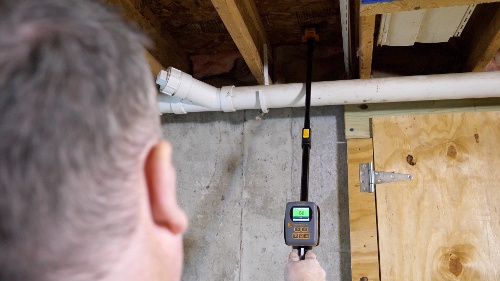
Moisture Detection in Palm Bay After Flooding Events: How Professionals Approach the Issue
Flooding events in Palm Bay are not uncommon. Between heavy summer thunderstorms, tropical systems, rising groundwater levels, and occasional storm surge along waterfront neighborhoods, homes across the area face real moisture risks each year.
What many homeowners don’t realize is that visible water is only part of the problem. Once standing water is removed, hidden moisture often remains trapped behind walls, under flooring, inside insulation, and within structural framing. Without proper detection, that trapped moisture can lead to mold growth, structural deterioration, and long-term indoor air quality issues.
Moisture detection after flooding is not guesswork. It’s a systematic, professional process. In Palm Bay—as well as nearby Cocoa, Melbourne, Merritt Island, and inland Sanford—experienced professionals follow a structured approach designed specifically for Florida’s humid climate and construction styles.
Why Flooding in Palm Bay Creates Unique Moisture Challenges
Palm Bay homes face environmental conditions that make post-flood moisture detection especially important.
High Ambient Humidity
Even after floodwaters recede, Florida’s humidity slows the natural drying process. Materials that might dry quickly in other climates can remain damp for extended periods here.
Slab Foundations
Many Palm Bay homes are built on concrete slabs. When flooding occurs, moisture can migrate upward into flooring systems, baseboards, and drywall through capillary action.
High Water Table
In certain neighborhoods, especially closer to the water, groundwater levels can rise significantly during storms. This increases the likelihood of moisture intrusion from below, not just from visible flooding.
Waterfront Exposure
Homes near the Indian River Lagoon face wind-driven rain and storm surge risks. Even minimal intrusion can saturate building materials.
Because of these factors, moisture detection must go beyond surface-level inspection.
What Moisture Detection Actually Involves
Moisture detection is the process of identifying where water has traveled, how deeply it has penetrated materials, and whether conditions exist for mold growth or structural damage.
It is not based on appearance alone.
Professionals use a combination of tools and methods to determine:
-
The extent of water migration
-
The saturation level of materials
-
Hidden damp areas
-
Whether drying has been effective
-
Areas at risk for microbial growth
This systematic evaluation ensures that no affected area is overlooked.
Step 1: Initial Visual Assessment
After a flooding event in Palm Bay, professionals begin with a comprehensive visual inspection.
They look for:
-
Water lines on walls
-
Staining on ceilings
-
Warped baseboards
-
Swollen door frames
-
Buckled flooring
-
Damp insulation
-
HVAC system exposure
While visible signs provide helpful clues, they rarely show the full extent of moisture spread.
In Florida homes, water can wick upward inside drywall several inches—or even feet—above the visible water line.
Step 2: Moisture Meter Readings
Moisture meters are one of the most important tools used during post-flood inspections.
Professionals use two main types:
Pin-Type Moisture Meters
These measure moisture content inside materials by penetrating surfaces slightly. They provide accurate readings within wood framing and drywall.
Pinless Moisture Meters
These scan larger surface areas without penetrating materials. They are useful for identifying elevated moisture across floors and walls quickly.
By taking systematic readings throughout the home, professionals create a moisture map that identifies affected zones.
In Palm Bay’s humid environment, baseline moisture levels are already higher than in dry climates. Experienced inspectors understand local norms and can differentiate between natural humidity and abnormal saturation.
Step 3: Thermal Imaging Scans
Thermal imaging cameras play a critical role in moisture detection after flooding.
These cameras detect temperature differences in building materials. Because wet materials cool differently than dry materials, thermal imaging can reveal hidden damp areas behind walls and ceilings.
Thermal imaging is particularly valuable in:
-
Slab foundation homes
-
Ceiling cavities
-
Wall insulation areas
-
Behind cabinetry
-
Under flooring systems
In Palm Bay waterfront properties, thermal imaging often identifies moisture that traveled laterally inside wall cavities during wind-driven rain events.
It allows professionals to see what the eye cannot.
Step 4: Evaluating Flooring Systems
Floodwater does not remain on the surface alone.
Professionals carefully assess:
-
Subfloor materials
-
Tile underlayment
-
Carpet padding
-
Laminate and vinyl plank systems
Even if tile appears intact, water may have migrated beneath it through grout lines.
Wood-based subflooring is particularly vulnerable. If moisture remains trapped, swelling and microbial growth can occur.
Moisture readings beneath flooring help determine whether removal or drying is necessary.
Step 5: Checking HVAC Systems
Flooding can impact HVAC systems directly or indirectly.
Professionals evaluate:
-
Air handlers
-
Ductwork
-
Insulation
-
Condensate lines
If floodwater entered duct systems or mechanical closets, microbial contamination risk increases significantly.
Even when systems were not submerged, elevated indoor humidity after flooding can lead to condensation buildup inside ductwork.
This step ensures that hidden moisture does not circulate through the home later.
Step 6: Assessing Structural Framing
Structural components such as wood framing and sill plates must be carefully evaluated.
Water can remain trapped inside:
-
Wall studs
-
Bottom plates
-
Roof decking (if rain intrusion occurred)
In Palm Bay’s humid conditions, wood dries slowly without active dehumidification.
Moisture detection helps determine whether structural drying equipment should be deployed.
Why DIY Moisture Checks Often Miss the Problem
After floodwaters are removed, homeowners sometimes rely on touch or visual inspection to assess dryness.
Unfortunately, this approach is unreliable.
Common misconceptions include:
-
“It looks dry, so it must be dry.”
-
“The floor feels solid.”
-
“There’s no smell, so everything is fine.”
Hidden moisture can remain inside walls and subfloors for weeks.
Without professional tools, it is nearly impossible to determine whether materials have returned to safe moisture levels.
Incomplete drying is one of the primary reasons mold develops weeks after a flooding event.
The Role of Dehumidification and Structural Drying
Moisture detection is only part of the process. Once damp areas are identified, drying must be carefully managed.
Professionals may deploy:
-
Industrial dehumidifiers
-
High-velocity air movers
-
Air scrubbers (if contamination is present)
-
Targeted drying mats for flooring
Drying is monitored with continued moisture readings to confirm progress.
In Palm Bay, where humidity remains high even after storms pass, controlled dehumidification is essential.
Natural air drying alone is rarely sufficient.
Mold Risk After Flooding
Mold can begin developing within 24–48 hours in warm, humid conditions.
In Palm Bay homes, post-flood moisture creates ideal conditions for microbial growth if not addressed quickly.
Moisture detection helps identify:
-
Areas that require antimicrobial treatment
-
Materials that must be removed
-
Spaces needing containment
-
Air quality risks
Companies such as Inspections and More FL focus not only on drying but on preventing secondary mold issues through careful evaluation and moisture control.
Why Local Florida Experience Matters
Moisture behaves differently in Florida than in drier climates.
Professionals familiar with Palm Bay, Cocoa, Melbourne, Merritt Island, and Sanford understand:
-
Coastal humidity cycles
-
Slab foundation moisture migration
-
High water table influence
-
Wind-driven rain patterns
-
HVAC condensation behavior
This local knowledge improves accuracy in moisture mapping and reduces the likelihood of missed problem areas.
Homes in waterfront neighborhoods often experience lateral moisture intrusion through siding or window systems—something that may not be obvious without regional experience.
Long-Term Prevention After Flood Events
After professional moisture detection and drying, prevention becomes the next priority.
Homeowners can reduce future risk by:
-
Installing proper drainage systems
-
Maintaining roof flashing and seals
-
Elevating HVAC equipment where possible
-
Monitoring indoor humidity
-
Scheduling post-storm inspections
-
Keeping gutters clear
-
Improving grading around foundations
Routine evaluations after major storms help catch minor moisture issues before they escalate.
A Measured and Thorough Approach
Moisture detection in Palm Bay after flooding events requires more than surface cleaning. It demands a careful, systematic approach using professional tools and regional knowledge.
Floodwater may be removed in hours, but hidden moisture can remain for weeks if not properly identified.
Professional moisture detection ensures that:
-
Damp areas are accurately located
-
Drying efforts are effective
-
Mold risks are minimized
-
Structural integrity is protected
In Florida’s humid coastal environment, thorough detection is not excessive—it is practical.
Taking prompt, informed action after flooding helps preserve the condition of your Palm Bay home and reduces the risk of long-term damage.