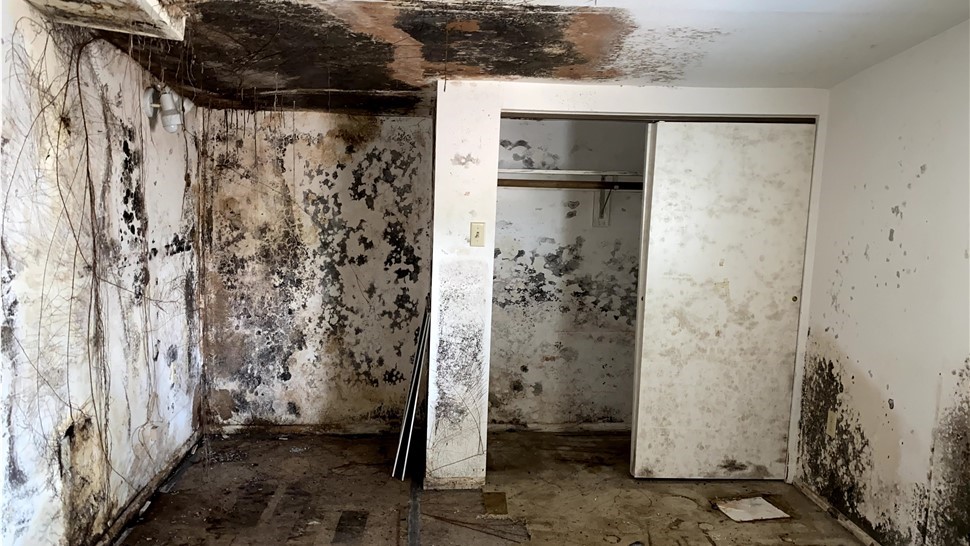
Understanding Mold Encapsulation Challenges in Merritt Island Waterfront Homes
Waterfront homes in Merritt Island offer direct access to the Indian River Lagoon, coastal breezes, and beautiful views. But living near water in Brevard County also means living with constant moisture pressure. Humidity is higher, storms are stronger, and salt air affects building materials year-round.
When moisture lingers inside walls, attics, or subfloor spaces, mold growth can develop quickly in Florida’s warm climate. In many cases, remediation involves removal of damaged materials and careful cleaning. However, there are situations where mold encapsulation becomes part of the long-term solution—especially when structural framing has been affected but remains salvageable.
Encapsulation can be highly effective when done properly. But in Merritt Island waterfront homes, it also presents unique challenges. Understanding those challenges helps property owners make informed decisions about protecting their homes.
What Mold Encapsulation Actually Is
Mold encapsulation is a remediation step used after contaminated materials have been removed and structural components have been thoroughly cleaned and dried.
It involves applying a specialized sealant coating to wood framing or structural surfaces. The purpose is to:
-
Seal microscopic residual mold particles
-
Create a moisture-resistant barrier
-
Help prevent regrowth
-
Stabilize treated materials
Encapsulation is not a shortcut. It is not applied over active mold growth or wet materials. It is only appropriate after moisture sources are corrected and surfaces are properly treated.
In Florida waterfront homes, encapsulation is often used in attics, wall cavities, and crawl or slab-edge spaces where framing has been exposed to prolonged humidity.
Why Waterfront Homes in Merritt Island Face Greater Mold Pressure
Encapsulation challenges begin with environmental conditions.
Elevated Humidity
Merritt Island sits between major waterways. Ambient humidity levels are consistently high. Even when no visible leaks are present, moisture content in the air remains elevated.
Storm-Driven Rain
Wind-driven rain during tropical systems can force water into small openings around flashing, vents, and siding.
Salt Air Exposure
Salt in coastal air accelerates corrosion of fasteners and metal components. Over time, minor vulnerabilities develop in roofing and ventilation systems.
High Water Table
During heavy rain, groundwater levels rise. Slab foundations may experience upward moisture migration.
These factors create ongoing moisture stress on structural materials, even after remediation.
When Encapsulation Becomes Necessary
Encapsulation is typically considered when:
-
Mold has affected wood framing but not compromised structural integrity
-
Minor staining remains after professional cleaning
-
Framing cannot be removed without major structural disruption
-
Additional moisture resistance is desired in high-risk areas
Common areas in Merritt Island waterfront homes include:
-
Attic roof decking
-
Wall studs behind exterior siding
-
Bottom plates near slab edges
-
Subfloor framing
Encapsulation helps stabilize these materials once moisture has been corrected.
The First Challenge: Ensuring Complete Drying
One of the biggest encapsulation challenges in waterfront homes is confirming complete dryness before application.
Florida’s humidity slows drying significantly.
Even when surfaces feel dry, internal moisture content may remain elevated.
Professionals use:
-
Moisture meters
-
Thermal imaging
-
Hygrometers
to confirm that materials have returned to safe moisture levels.
Encapsulating damp materials traps moisture inside and can worsen the problem.
In Merritt Island’s climate, drying often requires industrial dehumidifiers and air movers before encapsulation is appropriate.
The Second Challenge: Ongoing Humidity Exposure
Even after remediation, waterfront homes remain exposed to high humidity.
Encapsulation coatings are designed to resist moisture—but they are not waterproof barriers against continuous vapor intrusion.
If humidity levels remain elevated long-term, even treated framing can experience stress.
That is why encapsulation must be paired with:
-
Proper attic ventilation
-
HVAC maintenance
-
Humidity monitoring
-
Drainage improvements
Without moisture control, encapsulation alone is insufficient.
The Third Challenge: Salt Air and Material Degradation
Salt air in Merritt Island accelerates wear on building materials.
Metal fasteners and connectors near encapsulated framing may corrode faster in coastal conditions.
If corrosion continues unchecked, it may compromise structural components adjacent to treated surfaces.
Regular inspections remain important even after encapsulation.
The Fourth Challenge: Hidden Moisture Pathways
Waterfront homes often experience lateral moisture intrusion.
Wind-driven rain can travel horizontally along:
-
Roof decking
-
Siding seams
-
Window frames
Encapsulation addresses treated surfaces—but if hidden moisture pathways are not corrected, new areas may become affected.
Thorough inspection before encapsulation is essential.
Professionals serving Merritt Island and nearby Cocoa, Melbourne, Palm Bay, and Sanford understand common coastal intrusion patterns.
The Professional Encapsulation Process
When encapsulation is appropriate, the process follows structured steps.
Step 1: Moisture Source Correction
Roof leaks, plumbing issues, or drainage problems must be repaired first.
Step 2: Removal of Contaminated Materials
Damaged drywall, insulation, or severely affected materials are removed under containment.
Step 3: Cleaning and Surface Preparation
Framing is cleaned using professional antimicrobial solutions.
Loose debris and surface growth are removed completely.
Step 4: Drying Verification
Moisture readings confirm safe levels.
Step 5: Encapsulation Application
A specialized sealant coating is applied evenly to treated surfaces.
Step 6: Final Inspection
After curing, surfaces are reassessed before reconstruction.
Companies such as Inspections and More FL approach encapsulation as one component of a broader moisture control plan.
Attic Encapsulation Challenges
Attics in Merritt Island waterfront homes are particularly vulnerable.
High temperatures combined with humidity create ideal conditions for condensation.
Encapsulation in attics must account for:
-
Ventilation performance
-
Insulation condition
-
Roof deck integrity
If ventilation is inadequate, moisture may continue accumulating on untreated surfaces.
Slab Edge and Wall Cavity Challenges
Encapsulation behind interior walls or along slab edges presents additional challenges.
Waterfront homes may experience subtle moisture migration through slab foundations.
Encapsulation of bottom plates requires:
-
Confirmation of slab dryness
-
Vapor drive evaluation
-
Drainage assessment
Without correcting exterior grading or water table influence, moisture may persist.
Preventing Recurring Mold Issues
Encapsulation works best when combined with long-term prevention.
Waterfront homeowners in Merritt Island can reduce recurrence by:
-
Monitoring indoor humidity (45–55%)
-
Maintaining HVAC systems
-
Inspecting roofs annually
-
Sealing exterior penetrations
-
Improving drainage around foundations
-
Checking attic ventilation after storms
Periodic inspections help identify new moisture issues early.
Why Local Experience Matters
Mold encapsulation in Merritt Island requires understanding local environmental pressures.
Professionals familiar with the area recognize:
-
Lagoon-driven humidity patterns
-
Coastal wind-driven rain
-
Salt air corrosion effects
-
Slab foundation moisture migration
-
Year-round AC condensation behavior
Experience across Brevard County communities ensures that encapsulation decisions are based on realistic climate expectations.
A Careful, Balanced Approach
Mold encapsulation can be a valuable protective step in Merritt Island waterfront homes—but it is not a standalone fix.
Challenges arise from ongoing humidity, coastal exposure, and hidden moisture pathways.
When performed after proper cleaning, drying, and source correction, encapsulation helps:
-
Stabilize structural framing
-
Reduce residual contamination
-
Add moisture resistance
-
Protect long-term structural integrity
In Florida’s coastal climate, successful encapsulation depends on combining treatment with proactive moisture management.
By addressing environmental pressures and maintaining routine inspections, waterfront homeowners can protect their properties and minimize recurring mold concerns in Merritt Island’s demanding environment.