Melbourne Homes Dealing with Moisture Detection During Storm Season — Cost Factors and Recovery Insights
Storm season in Melbourne is not just a weather event — it’s a moisture event. From late spring through hurricane season, Brevard County experiences intense thunderstorms, heavy rainfall bursts, wind-driven rain, and occasional tropical systems. Even when homes avoid visible flooding, storm activity can introduce hidden moisture into walls, attics, flooring systems, and slab foundations.
For homeowners, the challenge isn’t just drying what they can see. It’s detecting what they can’t.
Moisture detection during storm season plays a critical role in preventing mold growth, structural damage, and recurring repair costs. Understanding how professionals approach detection — and what factors influence cost and recovery — helps Melbourne homeowners respond with clarity instead of urgency.
Why Storm Season in Melbourne Creates Elevated Moisture Risk
Melbourne’s coastal location and climate patterns intensify storm-related moisture concerns.
Wind-Driven Rain
During strong storms, rain does not fall straight down. Wind pushes water horizontally into roof joints, window frames, soffits, and siding seams.
High Humidity Before and After Storms
Even after rainfall stops, humidity remains elevated for days. Materials dry slowly in this environment.
Saturated Soil Conditions
Heavy rain saturates the ground quickly. Slab foundation homes may experience upward moisture migration through concrete.
Coastal Exposure
Salt-laden air accelerates wear on roofing components and flashing, increasing vulnerability to small leaks.
Because of these factors, moisture intrusion often occurs in subtle ways.
Common Storm-Related Moisture Scenarios in Melbourne Homes
Professionals frequently encounter:
-
Attic moisture from minor roof failures
-
Ceiling staining after wind-driven rain
-
Condensation along ductwork
-
Water intrusion around sliding glass doors
-
Slab edge dampness after prolonged rain
-
Window frame seepage
-
Wet insulation in attic spaces
In many cases, damage is not obvious immediately after the storm. It develops gradually.
The Moisture Detection Process During Storm Season
Professional moisture detection follows a structured method.
Step 1: Visual Assessment
Inspectors look for:
-
Ceiling stains
-
Warped baseboards
-
Bubbling paint
-
Soft drywall
-
Damp insulation
-
Roofing irregularities
However, visual signs rarely show the full picture.
Step 2: Moisture Mapping
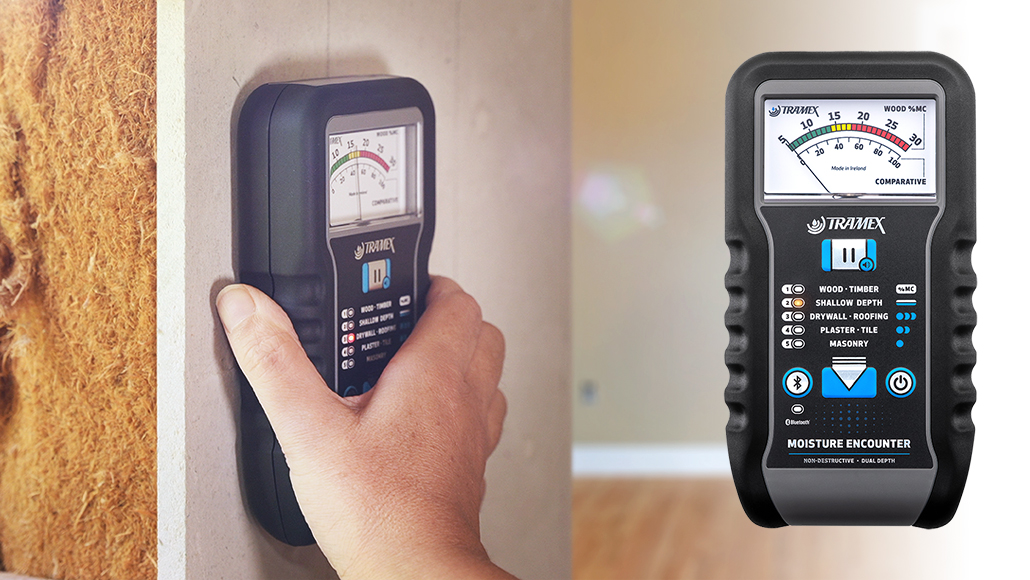
Moisture meters are used to measure saturation levels in:
-
Drywall
-
Wood framing
-
Subfloor materials
-
Slab edges
-
Roof decking
Pin-type and pinless meters help establish a moisture profile.
In Melbourne, understanding baseline humidity levels is critical. Florida homes naturally carry slightly higher moisture readings than homes in dry regions.
Step 3: Thermal Imaging
Thermal imaging cameras detect temperature variations that may indicate hidden moisture.
This is particularly useful for:
-
Identifying leak paths
-
Locating damp insulation
-
Evaluating slab moisture migration
-
Detecting hidden wall cavity dampness
Thermal imaging helps prevent unnecessary demolition while pinpointing problem areas accurately.
Step 4: HVAC Evaluation
Storm season places additional stress on air conditioning systems.
Inspectors may check:
-
Condensate drain lines
-
Duct insulation
-
Air handler areas
-
Return air cavities
High humidity combined with AC operation can lead to condensation issues.
Cost Factors Associated with Moisture Detection
Homeowners often ask what influences the cost of moisture detection during storm season.
Several factors determine overall expense:
Extent of Inspection Area
A single-room inspection costs less than evaluating an entire home, attic, and slab perimeter.
Equipment Use
Advanced tools such as thermal imaging and professional-grade moisture meters contribute to accuracy but add to service complexity.
Accessibility
Tight attic spaces, high ceilings, or hard-to-reach crawl areas increase labor time.
Timing After the Storm
Early inspections often cost less in the long run because damage is contained.
Follow-Up Monitoring
In some cases, additional visits are required to confirm drying progress.
Investing in thorough detection early typically reduces larger remediation costs later.
Cost Implications of Delayed Detection
Waiting too long to investigate storm-related moisture can increase expenses significantly.
Delayed detection may result in:
-
Mold remediation costs
-
Insulation replacement
-
Structural wood repair
-
Flooring removal
-
HVAC cleaning
-
Odor treatment
Moisture left untreated for weeks can transform a manageable issue into a larger restoration project.
Melbourne homeowners who act quickly often avoid secondary damage.
Recovery Insights: What Happens After Moisture Is Found
When detection confirms elevated moisture levels, recovery begins immediately.
Source Correction
Roof leaks, window seal failures, or drainage issues are addressed first.
Controlled Drying
Industrial dehumidifiers and air movers stabilize moisture levels.
Monitoring
Moisture readings are taken daily to confirm drying progress.
Mold Prevention
If moisture has lingered long enough, antimicrobial treatments may be applied.
Air Stabilization
HEPA air scrubbing may be used if contamination is suspected.
Companies such as Inspections and More FL often integrate moisture detection and drying strategies to prevent recurring problems during storm season.
Slab Foundation Considerations in Melbourne
Many Melbourne homes are built on slab foundations.
After prolonged rain:
-
Groundwater levels rise
-
Concrete absorbs moisture
-
Vapor pressure increases
Moisture may migrate upward into flooring systems and baseboards.
Thermal imaging combined with slab moisture readings helps determine whether drying or mitigation steps are required.
Slab moisture is one of the most overlooked post-storm issues.
Attic Moisture and Ventilation Challenges
Storm-driven rain can enter attics through small roof vulnerabilities.
Even when leaks are minor, humidity buildup may saturate insulation and decking.
Professionals assess:
-
Insulation condition
-
Roof deck moisture content
-
Ventilation effectiveness
Improper ventilation prolongs drying time.
Addressing airflow issues often prevents recurring attic moisture problems.
Insurance and Documentation Considerations
During storm season, documentation matters.
Professional moisture detection reports often include:
-
Moisture readings
-
Thermal imaging documentation
-
Photographic evidence
-
Written assessment
This documentation can assist with insurance claims when storm-related damage is involved.
Acting promptly improves claim clarity and supports faster recovery.
Preventative Measures for Future Storm Seasons
Melbourne homeowners can reduce moisture risk by:
-
Inspecting roofing annually
-
Sealing window and door gaps
-
Cleaning gutters regularly
-
Maintaining HVAC systems
-
Monitoring indoor humidity (45–55%)
-
Scheduling post-storm inspections
Homes closer to the coast may require more frequent evaluations due to salt air wear.
Routine moisture assessments during peak storm months provide peace of mind.
Why Local Experience Matters During Storm Season
Moisture behavior in Melbourne differs from inland regions.
Professionals familiar with Brevard County understand:
-
Coastal humidity cycles
-
Storm intensity patterns
-
Slab foundation moisture migration
-
Salt air corrosion effects
-
HVAC strain during humid conditions
Experience across Melbourne, Palm Bay, Cocoa, Merritt Island, and Sanford provides valuable regional insight.
Local knowledge improves detection accuracy and recovery planning.
A Practical Approach to Storm Season Recovery
Storm season in Melbourne is predictable — moisture intrusion is not always visible.
Professional moisture detection helps homeowners:
-
Identify hidden dampness
-
Prevent mold growth
-
Protect structural components
-
Reduce long-term repair costs
-
Recover efficiently after storms
Cost factors vary depending on scope and timing, but early detection consistently reduces overall expense.
In Florida’s humid coastal climate, managing storm-related moisture is part of responsible homeownership.
Taking a measured, informed approach during storm season helps Melbourne properties remain stable, dry, and protected year after year.