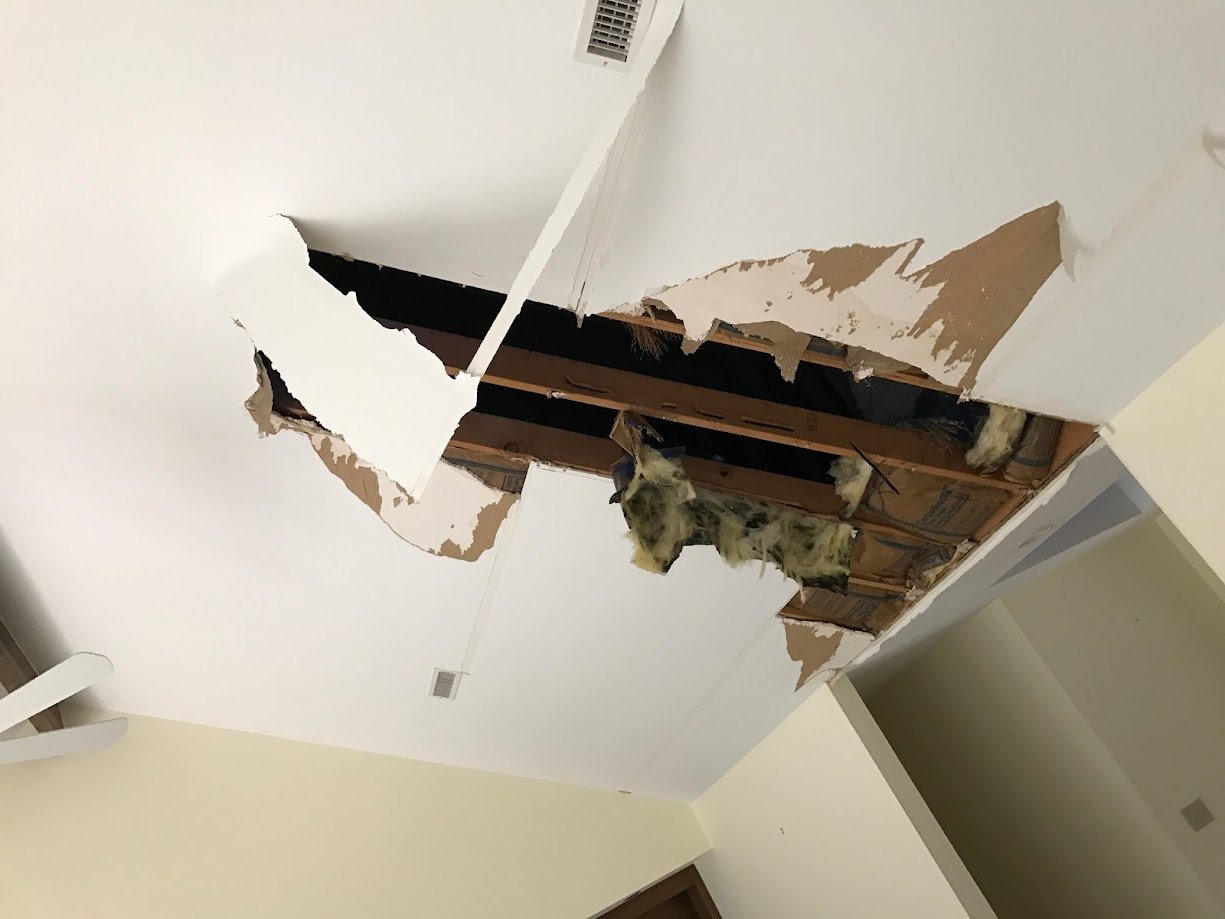
Cocoa Homes Dealing with Mold Encapsulation After Roof Failures — Long-Term Protection Strategies
Roof failures in Cocoa are not unusual. Between hurricane season, summer thunderstorms, salt-laden coastal air, and aging roofing materials, even well-maintained homes can develop leaks over time. What often starts as a small drip around flashing or a lifted shingle can quickly turn into attic moisture saturation.
By the time homeowners notice ceiling staining or a musty odor, moisture has often traveled through insulation, roof decking, and structural framing.
In Florida’s warm, humid environment, mold growth can begin quickly once wood framing remains damp. After proper cleaning and drying, mold encapsulation is sometimes recommended as part of the long-term protection strategy.
Encapsulation is not a cosmetic fix. When done correctly, it is a stabilizing step designed to protect structural components and reduce the risk of recurring mold growth — especially in Cocoa’s demanding coastal climate.
Why Roof Failures in Cocoa Often Lead to Mold Issues
Cocoa’s coastal conditions create several stress points for roofing systems.
Salt Air Corrosion
Salt exposure gradually weakens metal flashing, fasteners, and connectors. Small gaps develop over time.
Wind-Driven Rain
Florida storms frequently push rain sideways, forcing water under shingles or around roof penetrations.
Heavy Rainfall Intensity
Quick, heavy downpours overwhelm minor vulnerabilities.
High Attic Temperatures
Attics in Cocoa can reach extreme temperatures. When moisture enters and humidity remains elevated, mold growth accelerates.
Because attics are rarely inspected regularly, mold may spread before being detected.
What Happens After a Roof Leak
When water enters through a roof failure, it rarely drips straight down.
Instead, it may:
-
Travel along roof decking
-
Run down rafters
-
Soak insulation
-
Saturate ceiling drywall
-
Collect in hidden corners
Even after roof repairs are completed, residual moisture may remain inside framing materials.
If not dried and treated properly, this creates ongoing mold risk.
When Mold Encapsulation Becomes Necessary
Encapsulation is considered when:
-
Mold growth has affected structural wood
-
Framing remains structurally sound
-
Cleaning has removed active contamination
-
Moisture levels have been stabilized
In many Cocoa homes, attic framing can be treated rather than replaced.
Encapsulation adds a protective seal over cleaned wood, helping prevent future mold regrowth.
The Critical First Step: Moisture Source Correction
Encapsulation should never occur before addressing the roof failure.
Long-term protection begins with:
-
Repairing damaged shingles
-
Replacing compromised flashing
-
Sealing vent penetrations
-
Inspecting underlayment
-
Checking roof valleys and transitions
If the moisture source remains active, encapsulation will fail.
The Complete Remediation Process Before Encapsulation
Proper encapsulation is the final step of a structured remediation plan.
Step 1: Inspection and Moisture Mapping
Professionals use:
-
Moisture meters
-
Thermal imaging
-
Visual attic inspection
to determine how far moisture spread.
Step 2: Removal of Contaminated Materials
Saturated insulation and damaged drywall are removed under containment.
Step 3: Cleaning Structural Components
Wood framing and decking are cleaned with professional antimicrobial treatments.
HEPA vacuuming may be used to remove surface debris.
Step 4: Controlled Drying
Industrial dehumidifiers and air movers stabilize moisture content.
Wood moisture levels must return to acceptable ranges before encapsulation.
Step 5: Encapsulation Application
A specialized sealant coating is applied evenly to cleaned framing surfaces.
Companies such as Inspections and More FL approach encapsulation only after confirming proper drying.
How Encapsulation Protects Attic Framing
Encapsulation coatings serve multiple purposes:
-
Seal microscopic residual spores
-
Reduce surface porosity
-
Add moisture resistance
-
Improve light reflectivity in attics
-
Stabilize treated wood
In Cocoa’s humid climate, attic framing remains exposed to environmental moisture fluctuations.
Encapsulation adds an extra layer of protection in high-risk areas.
Challenges Unique to Cocoa’s Coastal Environment
Encapsulation strategies must account for ongoing environmental pressures.
Persistent Humidity
Even after repairs, attic humidity may remain elevated.
Proper ventilation and humidity control are essential.
Salt Air Effects
Metal connectors near encapsulated wood may still corrode over time.
Regular attic inspections remain important.
Storm Recurrence
Cocoa homes face repeated storm exposure. Preventative roof maintenance reduces future moisture intrusion.
Encapsulation supports protection — but it must be part of a broader maintenance plan.
Long-Term Protection Strategies After Encapsulation
Encapsulation alone does not guarantee future mold prevention.
Homeowners should implement:
1. Routine Roof Inspections
Inspect roofing annually and after major storms.
2. Attic Ventilation Evaluation
Ensure soffit vents, ridge vents, and attic fans function properly.
3. Humidity Monitoring
Maintain indoor humidity between 45–55%.
4. HVAC Maintenance
Check duct insulation and condensate drainage systems regularly.
5. Post-Storm Attic Checks
Inspect for new staining or damp insulation after heavy rain.
These steps reinforce encapsulation’s protective benefits.
Cost Considerations
Encapsulation may increase upfront remediation costs, but it can reduce long-term expenses by:
-
Preventing recurring mold growth
-
Avoiding framing replacement
-
Reducing repeated insulation removal
-
Minimizing odor recurrence
In coastal climates like Cocoa, long-term prevention often proves more cost-effective than repeated cleanup.
Common Misconceptions About Encapsulation
Homeowners sometimes misunderstand encapsulation.
It does not:
-
Eliminate active mold
-
Replace proper cleaning
-
Solve ongoing leaks
-
Remove moisture
It is a protective finish applied after remediation and drying.
When used correctly, it supports long-term stability.
Lessons from Cocoa Roof Failure Cases
Experience across Cocoa and nearby Merritt Island, Melbourne, Palm Bay, and Sanford shows consistent patterns:
-
Small leaks often cause widespread attic contamination
-
Insulation retains moisture long after storms
-
Delayed detection increases damage
-
Proper drying reduces need for framing removal
-
Encapsulation provides added security in humid climates
Early action leads to better outcomes.
Why Local Experience Matters
Cocoa’s environmental conditions differ from inland areas.
Professionals familiar with Brevard County understand:
-
Coastal humidity cycles
-
Salt air corrosion
-
Storm-driven rain patterns
-
Slab and attic moisture behavior
-
Florida roofing materials
Local knowledge improves encapsulation decisions and long-term planning.
A Balanced Approach to Long-Term Protection
Roof failures in Cocoa are sometimes unavoidable. What matters most is how the moisture is managed afterward.
Mold encapsulation, when applied after proper remediation and drying, offers:
-
Structural stabilization
-
Reduced regrowth risk
-
Improved attic durability
-
Added protection against humidity
Combined with roof maintenance and humidity control, encapsulation becomes part of a long-term strategy rather than a temporary solution.
In Florida’s humid coastal environment, proactive protection ensures Cocoa homes remain strong, stable, and resilient — even after storm-related roof failures.