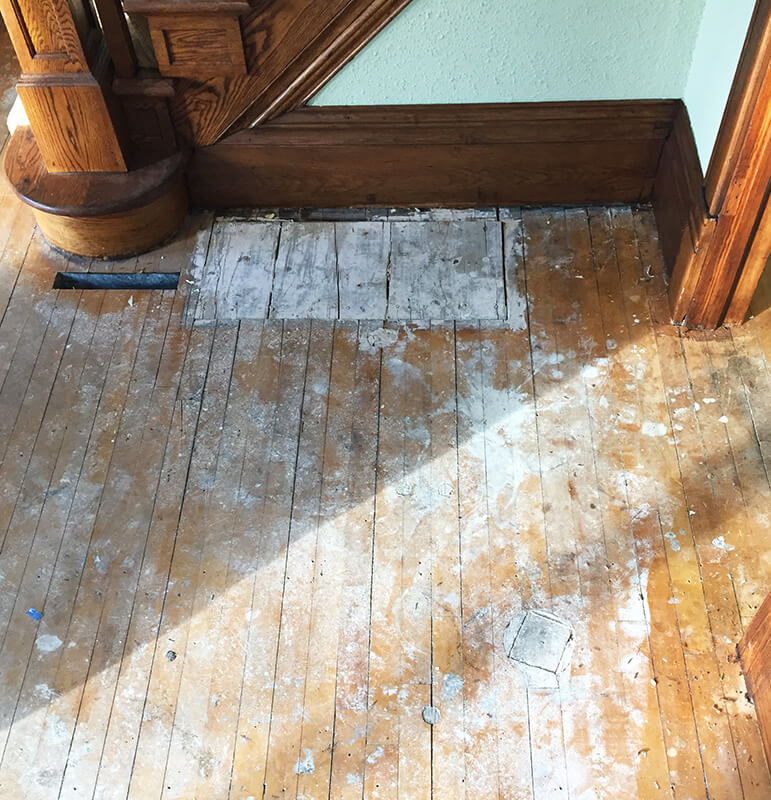
Mold Encapsulation in Melbourne Under Hardwood Flooring: A Step-by-Step Explanation
Hardwood flooring adds warmth and value to homes in Melbourne, especially in coastal and waterfront neighborhoods where natural finishes complement the environment. But in Florida’s humid climate, hardwood flooring systems can also hide moisture problems beneath the surface.
When water intrusion occurs—from storm-driven rain, slab moisture migration, plumbing leaks, or prolonged humidity—moisture can become trapped between hardwood planks and the subfloor below. If not addressed properly, mold growth may develop underneath the flooring system.
In certain cases, after cleaning and correcting the moisture source, mold encapsulation becomes part of the recovery strategy. Encapsulation is not about covering up a problem—it is a controlled step taken after remediation and drying to help protect structural components long term.
This step-by-step explanation outlines how mold encapsulation under hardwood flooring is approached in Melbourne homes and how homeowners can protect their property from recurring moisture damage.
Why Hardwood Flooring Systems Are Vulnerable in Melbourne
Melbourne’s coastal climate creates unique conditions that affect flooring systems.
High Ambient Humidity
Relative humidity often remains elevated, particularly during summer and storm season. Wood absorbs moisture from the air.
Slab Foundations
Many Melbourne homes are built on slab foundations. Moisture can migrate upward through concrete and affect subfloors.
Storm Exposure
Hurricanes and heavy thunderstorms can introduce water around sliding glass doors, window frames, or roof systems.
HVAC Condensation
Poorly insulated ducts or improper humidity control can increase moisture levels inside living spaces.
Because hardwood flooring is installed over subfloor layers—often plywood or oriented strand board—moisture can become trapped beneath visible surfaces.
Signs There May Be Mold Under Hardwood Flooring
Homeowners may not immediately see mold growth beneath flooring, but common warning signs include:
-
Musty odors that persist
-
Hardwood cupping or crowning
-
Warped boards
-
Discoloration at seams
-
Soft spots underfoot
-
Elevated indoor humidity
-
Recurring odor after storms
When these symptoms appear, professional evaluation is recommended before surface repairs are attempted.
Step 1: Inspection and Moisture Detection
The process begins with identifying the moisture source and confirming the extent of contamination.
Professionals typically use:
-
Moisture meters to measure wood and subfloor levels
-
Thermal imaging to detect temperature anomalies
-
Hygrometers to assess indoor humidity
-
Visual inspection under baseboards or removed planks
The goal is to determine:
-
How far moisture has spread
-
Whether hardwood boards are salvageable
-
Whether subfloor materials are structurally sound
Encapsulation is only considered after accurate assessment.
Step 2: Correct the Moisture Source
Before remediation or encapsulation begins, the moisture source must be addressed.
Common corrections in Melbourne homes include:
-
Sealing sliding door thresholds
-
Repairing roof flashing
-
Fixing plumbing leaks
-
Improving drainage around slab edges
-
Adjusting HVAC humidity control
-
Installing dehumidification support
Without moisture correction, mold will return.
Step 3: Remove Affected Hardwood (When Necessary)
If moisture levels are high beneath the flooring, selective removal of hardwood planks may be required.
In some cases:
-
Boards can be removed and reinstalled
-
Severely damaged boards require replacement
-
Underlayment materials may need removal
This allows direct access to the subfloor.
Step 4: Assess Subfloor Condition
The subfloor must be evaluated carefully.
Encapsulation is only appropriate if:
-
The wood is structurally sound
-
Rot is not present
-
Fasteners remain intact
-
Moisture levels can be reduced to acceptable ranges
If subfloor materials are compromised, replacement may be necessary before encapsulation.
Step 5: Mold Remediation and Cleaning
Before encapsulation, active mold growth must be removed.
This typically includes:
-
HEPA vacuuming
-
Antimicrobial cleaning solutions
-
Surface agitation to remove contamination
-
Removal of contaminated underlayment
Air scrubbers may be used during this stage to capture airborne spores.
Companies such as Inspections and More FL typically follow moisture stabilization protocols before recommending encapsulation.
Step 6: Controlled Drying
Drying is one of the most critical phases.
Industrial dehumidifiers and air movers are deployed to:
-
Lower humidity
-
Dry subfloor materials
-
Prevent secondary mold growth
-
Stabilize wood moisture content
Daily moisture readings confirm progress.
Encapsulation should never be applied to damp wood.
Step 7: Mold Encapsulation Application
Once cleaning and drying are complete, encapsulation may be applied to the subfloor.
Encapsulation coatings:
-
Seal residual microscopic spores
-
Reduce surface porosity
-
Add moisture resistance
-
Create a protective barrier
The coating is applied evenly to treated areas and allowed to cure before flooring is reinstalled.
This step adds an additional layer of protection in Florida’s humid climate.
Step 8: Reinstallation of Flooring
After encapsulation has cured and moisture readings confirm stability:
-
Hardwood planks are reinstalled or replaced
-
Underlayment is installed (if needed)
-
Seams are checked
-
Flooring is acclimated properly before securing
Proper acclimation reduces future cupping risk.
Why Encapsulation Is Not a Shortcut
Encapsulation is sometimes misunderstood as “painting over mold.”
In reality, encapsulation is appropriate only after:
-
Mold removal
-
Moisture correction
-
Structural evaluation
-
Verified drying
When applied properly, it serves as a protective measure—not a cosmetic fix.
Cost Factors for Encapsulation Under Hardwood
Several factors influence project cost:
-
Size of affected area
-
Extent of mold contamination
-
Amount of hardwood removal
-
Subfloor condition
-
Duration of drying
-
Equipment usage
-
Accessibility of affected zones
Early detection generally reduces expense.
Delays can increase subfloor damage and replacement costs.
Preventing Future Mold Under Hardwood Flooring
After remediation and encapsulation, prevention is essential.
Melbourne homeowners can reduce future risk by:
-
Monitoring indoor humidity (45–55%)
-
Maintaining HVAC systems
-
Checking door thresholds after storms
-
Sealing window frames
-
Ensuring proper drainage around the foundation
-
Inspecting for plumbing leaks regularly
-
Scheduling post-storm moisture evaluations
Waterfront and coastal homes require additional vigilance.
Why Local Experience Matters in Melbourne
Melbourne’s climate presents challenges specific to coastal Florida:
-
High dew points
-
Wind-driven rain patterns
-
Salt air corrosion
-
Slab moisture behavior
-
Frequent summer thunderstorms
Professionals familiar with Melbourne, Palm Bay, Cocoa, Merritt Island, and Sanford understand how humidity interacts with hardwood flooring systems in Florida homes.
Local expertise ensures encapsulation is recommended appropriately and applied effectively.
A Practical Takeaway for Homeowners
Mold under hardwood flooring can feel overwhelming, especially when floors represent a significant investment. But when approached methodically, recovery is manageable.
Mold encapsulation becomes part of the solution when:
-
Structural wood is salvageable
-
Moisture has been corrected
-
Active contamination is removed
-
Drying is complete
In Melbourne’s humid coastal environment, protecting subfloor materials is essential to preserving hardwood flooring long term.
With proper evaluation, remediation, and moisture control, encapsulation can provide added stability—helping homeowners maintain beautiful, durable flooring systems despite Florida’s challenging climate.