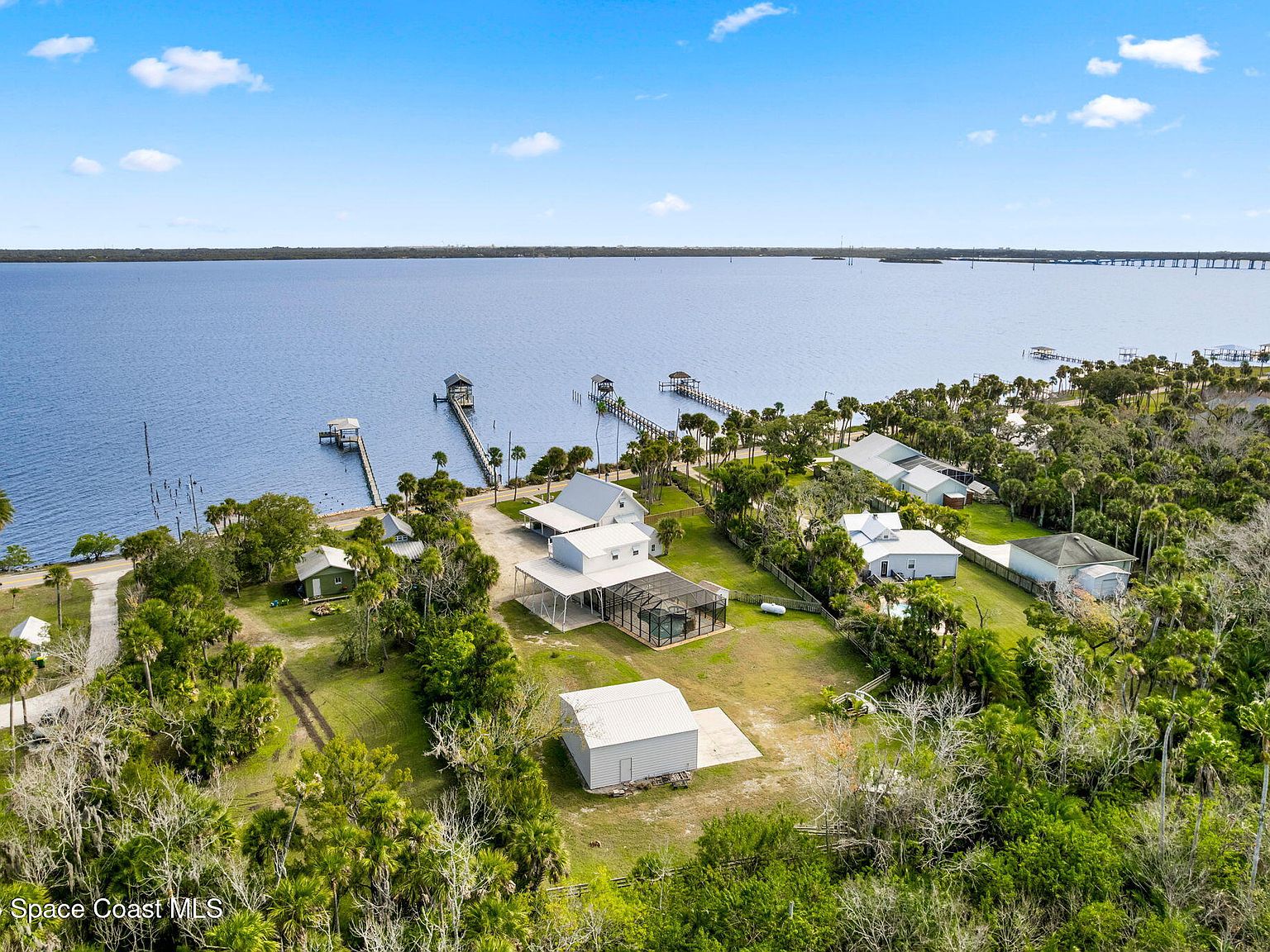
Understanding Dehumidification Challenges in Cocoa in Waterfront Homes
Waterfront living in Cocoa offers beautiful views of the Indian River Lagoon, steady coastal breezes, and a relaxed Florida lifestyle. But those same environmental advantages also create one of the most persistent challenges for homeowners: humidity control.
In waterfront homes, humidity is not just seasonal—it’s constant. Moisture in the air is influenced by nearby water, afternoon thunderstorms, salt exposure, and high dew points that remain elevated for much of the year. Even with a functioning air conditioning system, many Cocoa waterfront homeowners struggle with damp indoor air, condensation on surfaces, musty odors, and subtle structural changes.
Dehumidification in these homes is not simply about comfort. It is about protecting the structure itself. However, managing humidity in waterfront properties presents unique challenges that require a strategic approach.
Understanding these challenges helps homeowners prevent mold growth, preserve materials, and protect long-term property value.
Why Waterfront Homes in Cocoa Face Higher Humidity Pressure
Cocoa’s location along the Indian River Lagoon creates a constant moisture presence in the surrounding air. Waterfront homes experience even greater exposure due to direct proximity to open water.
Several environmental factors contribute to elevated indoor humidity:
Constant Lagoon-Driven Moisture
Waterfront air contains higher levels of moisture compared to inland areas.
High Dew Points
Florida’s east coast maintains high dew points, especially during summer and storm season.
Salt Air Exposure
Salt particles accelerate wear on seals, insulation, and HVAC components.
Wind-Driven Moisture
Coastal winds push humid air into small openings around doors, windows, and soffits.
Even on days without rain, moisture remains elevated.
Why Standard Air Conditioning Is Often Not Enough
Many homeowners assume their AC system handles humidity automatically. While air conditioners remove some moisture during cooling cycles, they are primarily designed to control temperature.
In waterfront Cocoa homes, several issues limit AC-based dehumidification:
-
Oversized AC units cool too quickly and shut off before removing enough moisture
-
Mild weather leads to short cooling cycles
-
Continuous humidity re-entry overwhelms the system
-
Attic-installed ductwork sweats during extreme humidity
As a result, indoor air may feel cool but still damp.
That dampness creates long-term risks.
The Most Common Dehumidification Challenges in Waterfront Homes
1. Continuous Humidity Infiltration
No home is perfectly sealed. Waterfront homes experience ongoing humidity infiltration through:
-
Door openings
-
Minor air leaks
-
Attic ventilation
-
Sliding glass doors
-
Garage connections
Because moisture constantly re-enters, dehumidification must operate consistently.
2. Attic Condensation and Duct Sweating
In many Cocoa homes, HVAC systems are installed in attics. These spaces become extremely hot and humid.
Cold ductwork exposed to warm attic air often:
-
Sweats heavily
-
Dampens insulation
-
Causes water droplets to form on vent boots
Dehumidification strategies must account for attic conditions, not just living areas.
3. Slab Foundation Moisture Interaction
Waterfront properties often sit near fluctuating groundwater levels.
After heavy rainfall or seasonal tide changes, soil moisture increases around foundations.
Moisture can migrate through slab edges and raise indoor humidity subtly over time.
This process is often overlooked.
4. Crawl Space Dampness
Some waterfront homes have crawl spaces instead of slabs.
Crawl spaces near water are particularly prone to:
-
Elevated ground moisture
-
Poor air circulation
-
High humidity accumulation
Without vapor barriers and active humidity control, moisture rises into living spaces.
5. Power Outages During Storms
Storm season frequently disrupts power in coastal areas.
When AC systems shut down:
-
Indoor humidity spikes quickly
-
Condensation increases
-
Wood framing absorbs moisture
Once power returns, the home may already be under significant humidity stress.
Why Humidity Control Protects Structural Components
Humidity affects more than comfort levels.
Excess moisture can cause:
-
Wood expansion and warping
-
Flooring cupping
-
Mold growth
-
Insulation breakdown
-
Rusted fasteners
-
Musty odors
-
Reduced energy efficiency
Maintaining indoor humidity between 45–55% significantly reduces these risks.
How Dehumidification Systems Help
Dedicated dehumidification systems remove moisture independently of cooling cycles.
Options for waterfront homes may include:
-
Whole-home integrated dehumidifiers
-
Standalone high-capacity units
-
Attic-specific dehumidification
-
Crawl space humidity control systems
Proper system sizing is critical for effectiveness.
Companies such as Inspections and More FL often evaluate overall moisture load before recommending equipment.
The Challenge of Proper Equipment Sizing
Underpowered dehumidifiers struggle in waterfront homes.
Oversized systems cycle inefficiently.
Coastal homes require systems capable of handling:
-
Continuous humidity influx
-
High square footage
-
Seasonal storm spikes
-
Elevated baseline moisture levels
A professional assessment ensures equipment matches environmental conditions.
Monitoring Is Essential
Humidity patterns shift seasonally in Cocoa.
Waterfront homeowners benefit from:
-
Digital hygrometers in living spaces
-
Attic humidity monitoring
-
Crawl space sensors
-
Periodic moisture evaluations
Monitoring ensures systems maintain stable levels year-round.
Energy Efficiency and Dehumidification
Some homeowners worry about increased energy costs.
However, high humidity forces AC systems to work harder.
When humidity is controlled:
-
Indoor comfort improves
-
Thermostat settings can be adjusted slightly higher
-
Cooling cycles stabilize
-
HVAC strain decreases
Proper dehumidification often improves overall efficiency.
Preventative Maintenance Strategies
To reduce dehumidification challenges:
-
Inspect roof flashing annually
-
Maintain sliding door seals
-
Service HVAC systems regularly
-
Seal attic air leaks
-
Inspect crawl spaces after heavy rain
-
Monitor slab edges
-
Schedule seasonal moisture evaluations
Routine care supports humidity stability.
Why Local Experience Matters
Cocoa’s waterfront properties face unique environmental pressures:
-
Lagoon-driven humidity cycles
-
Salt air corrosion
-
Afternoon thunderstorm patterns
-
Hurricane season impacts
-
Slab foundation moisture migration
Professionals familiar with Cocoa, Merritt Island, Melbourne, Palm Bay, and Sanford understand how coastal humidity interacts with Florida construction styles.
Local expertise ensures dehumidification strategies are realistic and effective.
Long-Term Benefits of Effective Dehumidification
When humidity is properly managed, homeowners experience:
-
Reduced mold risk
-
Improved indoor air stability
-
Longer-lasting flooring
-
Protected attic framing
-
Stable insulation performance
-
Fewer odor issues
-
Greater structural durability
In waterfront homes, humidity management becomes part of long-term property preservation.
A Practical Takeaway for Cocoa Waterfront Homeowners
Waterfront living in Cocoa brings beauty—and constant moisture exposure. Humidity infiltrates through small gaps, attic spaces, slab edges, and crawl areas. Even with air conditioning running, moisture may remain higher than expected.
Dehumidification protects waterfront properties by:
-
Stabilizing indoor humidity
-
Reducing condensation cycles
-
Preventing structural stress
-
Limiting mold risk
-
Supporting HVAC performance
The primary challenges include continuous humidity re-entry, attic duct sweating, slab moisture interaction, seasonal storms, and proper system sizing.
Addressing these challenges with a structured, localized approach ensures waterfront homes remain comfortable and structurally sound.
In Florida’s coastal climate, managing humidity is not optional—it is essential for long-term durability and protection.
Image References