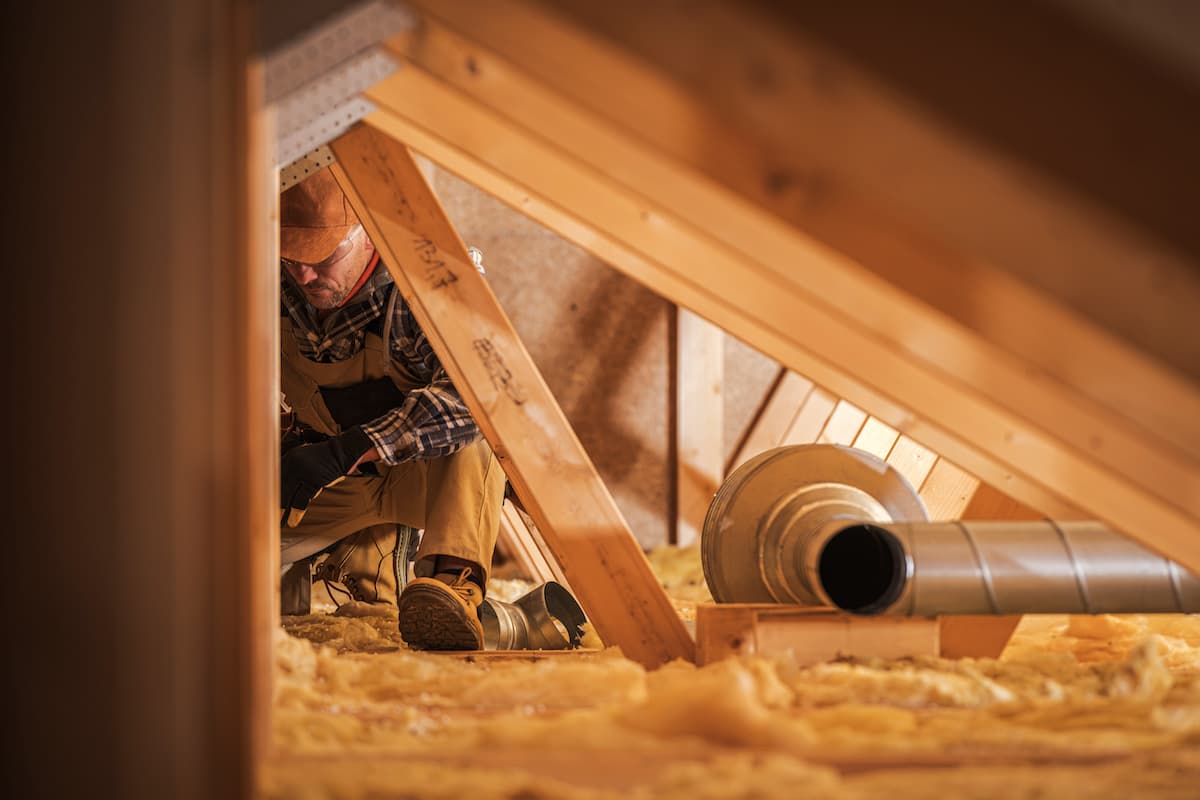
Air Blower Installation in Melbourne in Rental Properties: A Practical Homeowner Breakdown
Rental properties in Melbourne face a unique set of challenges. Between Florida’s coastal humidity, frequent summer storms, extended air conditioning cycles, and high tenant turnover, maintaining consistent indoor moisture control can be difficult. When airflow inside a property becomes unbalanced—especially in attic spaces, wall cavities, or under flooring—moisture can linger longer than expected.
In many cases, air blower installation becomes part of the solution. While it may sound technical, the concept is straightforward: improving controlled airflow to reduce stagnant humidity and support structural drying. For rental property owners in Melbourne, understanding when and why air blower installation is necessary can help prevent recurring damage, tenant complaints, and costly repairs.
This breakdown explains how air blowers function, when they’re used, and how they protect rental properties in Florida’s humid climate.
Why Rental Properties in Melbourne Face Airflow Challenges
Melbourne’s coastal environment includes:
-
Elevated year-round humidity
-
Lagoon-driven moisture cycles
-
Frequent afternoon thunderstorms
-
Hurricane-season rainfall
-
Slab-on-grade construction
-
Extended cooling seasons
Rental homes often experience additional factors:
-
Irregular thermostat use
-
Blocked vents or returns
-
Deferred maintenance
-
Varying occupancy patterns
-
Limited attic inspections
When airflow is restricted or poorly distributed, moisture pockets form.
Over time, stagnant air can contribute to condensation, damp insulation, and elevated indoor humidity.
What Air Blower Installation Actually Does
Air blowers are designed to move air strategically through enclosed or stagnant spaces.
In rental properties, they are commonly installed to:
-
Improve attic air circulation
-
Support structural drying after moisture events
-
Reduce condensation around ductwork
-
Eliminate stagnant humidity zones
-
Enhance airflow in poorly ventilated areas
Unlike temporary air movers used during remediation, installed air blowers may provide ongoing airflow support in vulnerable areas.
Common Situations Where Air Blowers Become Necessary
Air blower installation in Melbourne rental properties may follow:
1. Roof Leaks
Wind-driven rain can saturate attic insulation and create lingering humidity.
2. AC Condensation Issues
Cold ducts in hot attic spaces sweat when humidity is high.
3. Slab Moisture Migration
Moisture rising from saturated soil may elevate indoor humidity.
4. Poor Attic Ventilation
Salt air corrosion may reduce vent effectiveness over time.
5. Post-Remediation Airflow Imbalance
After mold remediation or structural drying, airflow may require stabilization.
Each situation calls for a tailored airflow solution.
The Step-by-Step Evaluation Process
Before installing air blowers, professionals conduct a detailed inspection.
Step 1: Moisture Detection
Thermal imaging identifies cooler areas that suggest hidden dampness.
Moisture meters confirm elevated readings in framing or insulation.
Step 2: Ventilation Assessment
Ridge vents, soffits, and gable vents are inspected for blockage or corrosion.
Step 3: HVAC Review
Duct placement and insulation are evaluated for condensation risk.
Step 4: Humidity Measurement
Indoor and attic humidity levels are measured to determine severity.
Companies such as Inspections and More FL often combine airflow evaluation with humidity stabilization before recommending blower installation.
Why Attic Airflow Matters in Rental Homes
Many Melbourne rental properties have HVAC systems installed in attic spaces.
Without proper airflow:
-
Heat accumulates
-
Duct sweating increases
-
Insulation becomes damp
-
Framing absorbs moisture
-
Ceiling staining may appear
Air blowers help move humid air toward exhaust vents, reducing stagnant conditions.
The Connection Between Airflow and Mold Prevention
Mold requires moisture and warmth.
Attics and wall cavities provide warmth. Humidity supplies moisture.
By increasing air movement:
-
Damp surfaces dry faster
-
Condensation cycles decrease
-
Humidity stabilizes
-
Mold growth risk reduces
Air blower installation becomes a preventative measure in high-risk areas.
Cost Considerations for Rental Property Owners
Costs vary depending on:
-
Property size
-
Accessibility of attic spaces
-
Extent of moisture involvement
-
Number of blower units required
-
Electrical integration needs
While installation has an upfront cost, preventing repeated moisture damage often saves significantly over time.
Rental property owners must also consider:
-
Tenant turnover disruptions
-
Potential insurance claims
-
Repeated repair expenses
Early airflow correction reduces long-term maintenance burdens.
Ongoing Maintenance Considerations
Air blowers require:
-
Periodic inspection
-
Filter checks if applicable
-
Electrical system review
-
Monitoring of humidity levels
Routine maintenance ensures long-term effectiveness.
Tenant Communication and Responsibility
Rental properties require clear communication regarding:
-
Proper thermostat settings
-
Reporting water leaks promptly
-
Avoiding vent blockage
-
Monitoring indoor humidity
Air blower installation supports structural airflow—but tenant awareness remains important.
Why Melbourne’s Climate Makes This Necessary
Melbourne homes face:
-
Persistent coastal humidity
-
Salt air affecting ventilation systems
-
Frequent heavy rainstorms
-
Slab foundation moisture migration
-
Extended cooling cycles
Without airflow support, moisture problems may recur seasonally.
Local professionals understand how these factors influence building performance.
The Long-Term Benefits of Air Blower Installation
For rental properties, benefits include:
-
Reduced condensation around ducts
-
Improved attic ventilation
-
Lower humidity pockets
-
Decreased mold risk
-
Improved tenant comfort
-
Fewer recurring maintenance calls
Airflow stabilization protects both property value and tenant satisfaction.
Preventative Strategies for Melbourne Rental Properties
Owners can reduce moisture risks by:
-
Inspecting attics annually
-
Maintaining roof flashing
-
Monitoring slab edges after storms
-
Servicing HVAC systems regularly
-
Checking insulation condition
-
Monitoring indoor humidity (45–55%)
-
Scheduling post-storm inspections
Air blowers work best within a comprehensive maintenance plan.
Why Local Experience Matters
Melbourne rental properties experience:
-
Lagoon-driven humidity cycles
-
Hurricane-season rainfall
-
Salt air corrosion
-
Slab-on-grade construction
-
High tenant turnover
Professionals familiar with Melbourne, Palm Bay, Cocoa, Merritt Island, and Sanford understand how Florida’s climate interacts with airflow systems.
Local expertise ensures installations are practical and suited to coastal conditions.
A Practical Takeaway for Rental Property Owners
Air blower installation in Melbourne rental properties becomes necessary when airflow imbalance contributes to persistent humidity, condensation, or recurring moisture concerns.
It is most often used to:
-
Improve attic ventilation
-
Reduce duct sweating
-
Support post-remediation drying
-
Prevent stagnant air pockets
-
Stabilize humidity
For property owners, proactive airflow management prevents long-term structural damage and reduces maintenance costs.
In Florida’s humid coastal environment, airflow is just as important as temperature control. By addressing stagnant attic and wall cavity air before damage spreads, rental property owners protect both their investment and their tenants’ comfort.