How Air Blower Installation Protects Properties in Palm Bay After Flooding Events
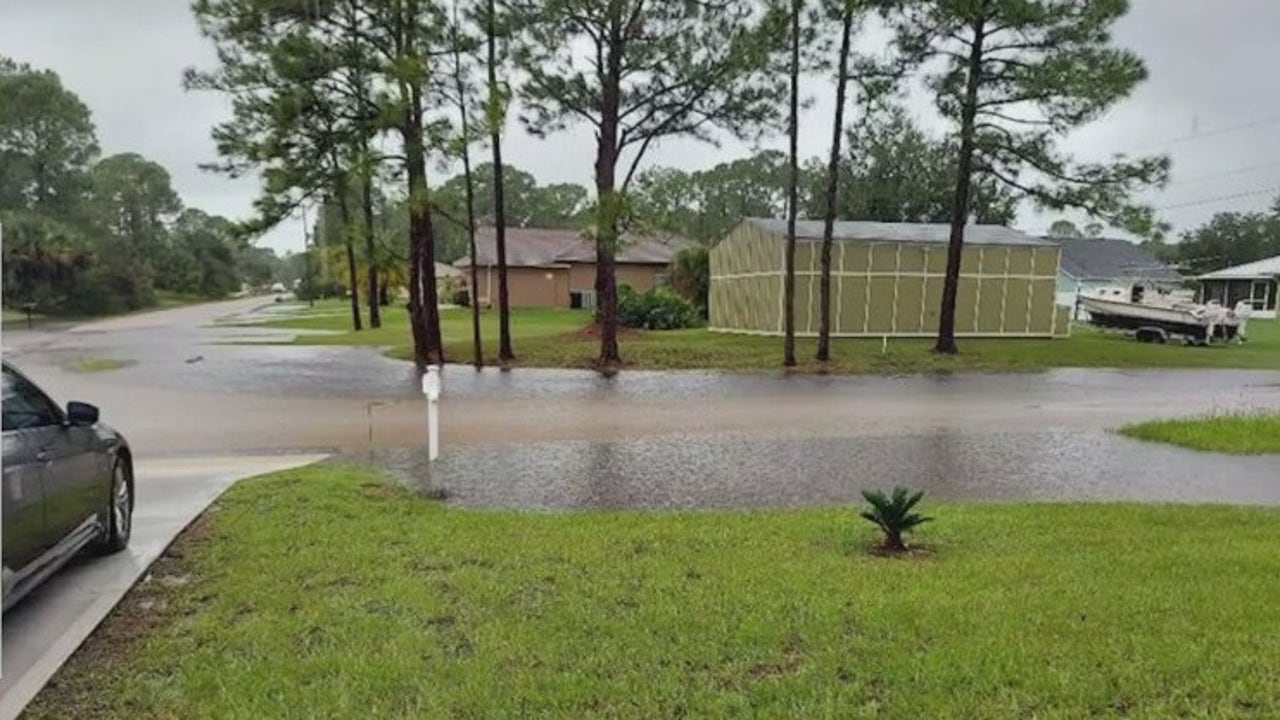
Flooding events in Palm Bay don’t always look dramatic. Sometimes it’s several inches of standing water after a tropical system. Other times, it’s stormwater that seeps into garages, rises at slab edges, or backs up into living spaces during heavy rain. Whether the water came from a hurricane band, a stalled summer thunderstorm, or overwhelmed drainage systems, the aftermath often leaves something behind long after visible water is gone—trapped moisture.
In Palm Bay’s humid coastal climate, that lingering moisture can become the real threat. Even after extraction and initial drying, water can remain inside wall cavities, subfloor systems, insulation, and attic framing. Without proper airflow, those damp pockets can stall drying and create long-term structural problems.
Why Flooding in Palm Bay Creates Ongoing Moisture Risks
Palm Bay sits in a region where high water tables, heavy rainstorms, and coastal humidity intersect. During flooding events, water doesn’t just affect surfaces—it moves into building materials.
Common post-flood moisture concerns include:
-
Saturated drywall and insulation
-
Damp subfloor systems
-
Moisture wicking into wall studs
-
Slab foundation absorption
-
Elevated indoor humidity
-
Trapped moisture beneath cabinetry
-
HVAC duct exposure to damp air
Even after visible water is removed, moisture often remains hidden.
In Florida’s warm climate, that moisture can linger longer than homeowners expect.
Why Basic Drying Isn’t Always Enough
After flooding, many property owners assume that running a few fans and opening windows will solve the problem.
In Palm Bay, that approach can backfire.
Outdoor air often carries high humidity. Introducing that air into a damp home may slow drying rather than accelerate it.
Additionally, stagnant areas—such as:
-
Wall cavities
-
Attic corners
-
Behind built-in cabinetry
-
Under flooring
-
Garage-to-home shared walls
—may not receive adequate airflow.
Air blower installation addresses these stagnant zones directly.
What Air Blower Installation Actually Does
Air blowers (distinct from temporary floor fans) are strategically positioned to improve airflow in targeted areas.
In post-flood conditions, they help:
-
Circulate air through enclosed spaces
-
Reduce moisture pockets
-
Increase evaporation rates
-
Support dehumidification systems
-
Stabilize humidity levels
-
Prevent condensation cycles
Proper airflow is essential to complete structural drying.
Step-by-Step: The Post-Flood Recovery Process
Step 1: Water Extraction
Standing water is removed using pumps and extraction equipment.
Step 2: Moisture Detection
Thermal imaging and moisture meters identify damp materials behind walls and under flooring.
Step 3: Removal of Saturated Materials
Water-damaged drywall, insulation, and baseboards may require removal.
Step 4: Dehumidification Deployment
Industrial dehumidifiers reduce overall humidity.
Step 5: Air Blower Installation
Blowers are positioned to move air across damp framing, subfloors, and slab edges.
Step 6: Ongoing Monitoring
Moisture levels are tracked daily to confirm drying progress.
Companies such as Inspections and More FL often incorporate airflow management alongside humidity control to ensure thorough recovery.
Why Slab Foundations in Palm Bay Require Special Attention
Many Palm Bay homes are built on slab foundations.
After flooding:
-
Concrete absorbs moisture
-
Soil saturation increases capillary action
-
Moisture migrates into lower wall framing
Air blowers positioned near slab edges help improve evaporation and reduce stagnant dampness at floor level.
Without airflow, slab moisture can take significantly longer to stabilize.
Attic and HVAC Considerations After Flooding
Flooding events often coincide with power outages.
When air conditioning systems shut down:
-
Indoor humidity rises rapidly
-
Ductwork may sweat
-
Attic air becomes stagnant
Once power returns, improper airflow can continue trapping moisture.
Air blowers installed in attic spaces improve circulation and reduce condensation around ductwork.
Preventing Mold Growth Through Airflow
Mold requires:
-
Moisture
-
Warm temperatures
-
Organic material
Palm Bay provides warmth and building materials. Removing moisture is critical.
Air blowers reduce drying time and prevent humidity from settling into framing.
Faster drying significantly lowers mold risk.
Cost Factors for Air Blower Installation After Flooding
Costs vary depending on:
-
Size of affected area
-
Extent of moisture spread
-
Duration of equipment use
-
Accessibility of enclosed spaces
-
Severity of flood damage
Early intervention reduces drying time and overall cost.
Delays often increase material removal requirements.
Common Mistakes Property Owners Make
Following flooding, homeowners sometimes:
-
Assume visible dryness means full dryness
-
Seal walls before confirming moisture levels
-
Skip humidity monitoring
-
Rely solely on air conditioning
-
Ignore attic and slab interactions
Incomplete drying leads to recurring problems months later.
Airflow management prevents this cycle.
Long-Term Prevention in Flood-Prone Areas
Palm Bay homeowners can reduce future risk by:
-
Improving exterior drainage systems
-
Installing proper grading around foundations
-
Monitoring indoor humidity (45–55%)
-
Inspecting slab edges after heavy rain
-
Maintaining roof and flashing systems
-
Scheduling moisture inspections after major storms
Preparedness reduces recovery costs.
Why Local Experience Matters
Palm Bay properties face:
-
Lagoon-driven humidity cycles
-
High groundwater levels
-
Hurricane-season rainfall
-
Slab-on-grade construction
-
Extended cooling seasons
Professionals familiar with Palm Bay, Melbourne, Cocoa, Merritt Island, and Sanford understand how moisture behaves in Florida homes.
Local expertise ensures air blower placement is strategic and effective.
The Long-Term Benefits of Proper Airflow Management
When air blower installation is used correctly after flooding:
-
Drying time shortens
-
Structural materials stabilize
-
Insulation remains effective
-
Mold risk decreases
-
Indoor air improves
-
Recurring moisture damage is prevented
Airflow becomes part of a comprehensive moisture management strategy.
A Practical Takeaway for Palm Bay Homeowners
Flooding events in Palm Bay introduce moisture that often lingers beyond what the eye can see. Even after water extraction and basic drying, stagnant air pockets can trap dampness inside walls, subfloors, and attic spaces.
Air blower installation protects properties by:
-
Increasing air circulation
-
Supporting dehumidification
-
Reducing stagnant humidity
-
Accelerating evaporation
-
Preventing mold development
In Florida’s humid coastal climate, managing airflow is just as important as removing water.
By combining moisture detection, dehumidification, and strategic air blower installation, Palm Bay homeowners can protect their properties from long-term structural damage after flooding events.