Palm Bay Homes Dealing with Structural Dryouts When Indoor Air Feels Damp — What Inspections Typically Uncover
In Palm Bay, homeowners are no strangers to humidity. But there’s a difference between typical Florida humidity and walking into your home and feeling that the air is unusually heavy, sticky, or musty. When indoor air consistently feels damp—even with the air conditioning running—it often signals something deeper happening inside the structure.
In many cases, that “damp air” sensation is the early warning sign that structural materials have absorbed excess moisture. When this occurs, a structural dryout may become necessary. Before drying equipment is installed, however, a thorough inspection must determine where the moisture is coming from and how far it has spread.
Understanding what inspections typically uncover during structural dryouts in Palm Bay helps homeowners act early and avoid larger repair costs.
Why Damp Indoor Air Is a Structural Concern in Palm Bay
Palm Bay’s location near the Indian River Lagoon creates constant moisture pressure. Environmental factors include:
-
Elevated year-round humidity
-
Heavy seasonal rainfall
-
Hurricane-season storms
-
High groundwater levels
-
Slab-on-grade construction
-
Extended air conditioning cycles
When indoor air feels damp, it may indicate:
-
Relative humidity above 60%
-
Moisture migration through slab foundations
-
Hidden leaks in walls
-
Attic condensation
-
Duct sweating
-
Insufficient ventilation
If humidity remains elevated for extended periods, structural materials begin absorbing moisture.
What Is a Structural Dryout?
A structural dryout is a controlled process designed to remove excess moisture from building materials—not just from the air.
It typically involves:
-
Moisture detection
-
Humidity stabilization
-
Airflow management
-
Dehumidification
-
Ongoing monitoring
The goal is to return materials—such as framing, subfloors, and drywall—to safe moisture levels.
But before drying begins, inspections reveal the scope of the issue.
What Inspections Typically Uncover
1. Hidden Wall Moisture
Thermal imaging often detects cooler areas behind drywall that suggest hidden dampness.
Common findings include:
-
Slow plumbing leaks
-
Wind-driven rain infiltration
-
Window seal failures
-
Moisture trapped behind baseboards
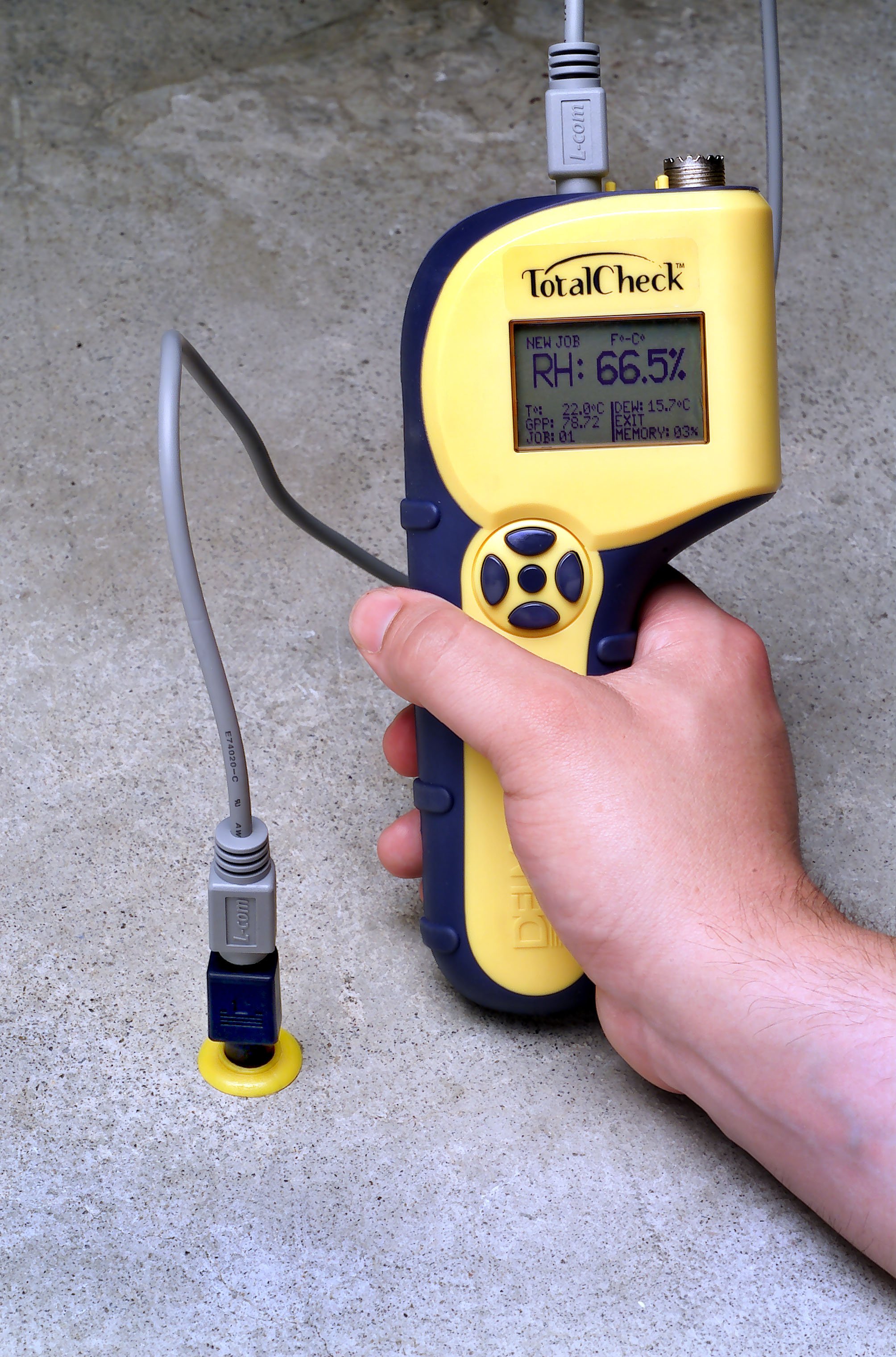
Moisture meters confirm elevated readings before selective opening occurs.
2. Slab Foundation Moisture Migration
Many Palm Bay homes sit directly on concrete slabs.
After heavy rain or prolonged humidity:
-
Soil saturation increases
-
Moisture wicks upward
-
Lower wall framing absorbs dampness
Inspections frequently reveal elevated moisture levels at slab edges—even when no flooding occurred.
3. Attic Condensation and Insulation Saturation
Attics are often overlooked when indoor air feels damp.
Common attic-related findings include:
-
Wet insulation
-
Roof decking dampness
-
HVAC duct condensation
-
Improper venting
Because hot attic air meets humid conditions, moisture can accumulate quickly.
Companies such as Inspections and More FL typically include attic evaluation during structural moisture assessments.
4. HVAC-Related Moisture Patterns
Air conditioning systems may contribute to damp indoor air when:
-
Systems are oversized
-
Cooling cycles are too short
-
Duct insulation is compromised
-
Return air pathways are blocked
Inspections often reveal condensation around duct boots or air handlers.
Addressing HVAC imbalances supports long-term drying success.
5. Subfloor and Flooring Issues
Under hardwood, laminate, or tile flooring, moisture may accumulate unnoticed.
Inspections sometimes uncover:
-
Subfloor swelling
-
Flooring cupping
-
Damp underlayment
-
Adhesive breakdown
These issues can develop slowly when indoor humidity remains high.
Why Visual Inspections Alone Aren’t Enough
In Palm Bay’s humid climate, moisture can spread silently.
Surface materials may appear dry while internal framing remains damp.
Effective inspections combine:
-
Thermal imaging
-
Pin and non-invasive moisture meters
-
Humidity readings
-
Visual assessment
-
Attic and slab evaluation
Accurate detection prevents incomplete drying.
The Step-by-Step Inspection Process
Step 1: Measure Indoor Humidity
Confirm whether levels exceed recommended range (45–55%).
Step 2: Conduct Thermal Imaging Scan
Identify suspicious temperature variations in walls, ceilings, and floors.
Step 3: Confirm With Moisture Meters
Test elevated areas to confirm dampness.
Step 4: Evaluate Ventilation and HVAC Systems
Assess airflow and duct insulation.
Step 5: Develop a Targeted Drying Plan
Focus only on confirmed moisture zones.
This structured approach avoids unnecessary demolition.
Why Early Inspections Save Money
When indoor dampness is addressed early:
-
Drying is faster
-
Material removal is minimal
-
Insulation may be salvageable
-
Flooring damage is reduced
-
Mold risk decreases
Delayed inspections often lead to:
-
Mold remediation
-
Extensive drywall removal
-
Framing repair
-
Flooring replacement
-
Longer equipment rental periods
Early detection significantly lowers total cost.
Common Mistakes Palm Bay Homeowners Make
When indoor air feels damp, some homeowners:
-
Assume it’s seasonal
-
Open windows to “air out” the home
-
Rely solely on air conditioning
-
Delay inspections
-
Ignore musty odors
Opening windows often increases indoor humidity.
Controlled drying is far more effective.
Long-Term Prevention Strategies
After structural dryouts, preventing recurrence is essential.
Palm Bay homeowners should:
-
Monitor indoor humidity weekly
-
Install whole-home dehumidifiers if needed
-
Inspect slab edges after heavy rain
-
Maintain roof flashing
-
Service HVAC systems annually
-
Check attic insulation periodically
-
Schedule post-storm moisture evaluations
Proactive maintenance reduces future dryout needs.
Why Local Experience Matters
Palm Bay homes face:
-
Lagoon-driven humidity cycles
-
Slab-on-grade construction
-
Frequent heavy rain
-
Salt air corrosion
-
Extended cooling seasons
Professionals familiar with Palm Bay, Melbourne, Cocoa, Merritt Island, and Sanford understand how Florida’s climate affects structural moisture.
Local knowledge improves inspection accuracy.
The Long-Term Benefits of Proper Structural Dryouts
When inspections and dryouts are performed correctly:
-
Framing remains stable
-
Subfloors stay intact
-
Mold growth is prevented
-
Indoor air stabilizes
-
HVAC systems operate efficiently
-
Property value is protected
Drying is not just about comfort—it’s about preserving the structure.
A Practical Takeaway for Palm Bay Homeowners
If indoor air feels damp in your Palm Bay home, it’s important not to dismiss it as “normal Florida weather.” Persistent humidity often signals hidden moisture inside walls, attic spaces, slab edges, or subfloor systems.
Structural dryout inspections typically uncover:
-
Hidden wall moisture
-
Slab migration
-
Attic dampness
-
HVAC condensation
-
Flooring instability
Early detection and targeted drying prevent larger restoration projects later.
In Florida’s humid coastal climate, moisture control must be proactive. By scheduling inspections at the first sign of damp air, Palm Bay homeowners can protect their homes from long-term structural damage and avoid unnecessary repair costs.