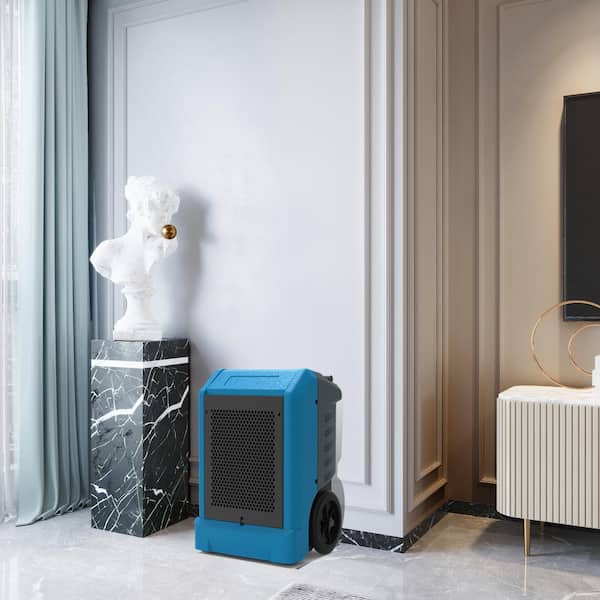
When Indoor Air Feels Damp in Palm Bay: A Closer Look at Dehumidification
If your indoor air feels damp in Palm Bay, you’re not imagining it.
Even when the thermostat reads 74 degrees and the AC is running, the air can still feel heavy. Sheets may feel slightly cool and moist at night. Closets develop a faint musty smell. Wood doors swell just enough to stick.
That damp feeling isn’t just about comfort. In Palm Bay — and in nearby Melbourne, Cocoa, Merritt Island, and even inland toward Sanford — persistent indoor humidity can slowly impact your home’s structure, air quality, and long-term condition.
Understanding dehumidification — and when it becomes necessary — helps protect your property before moisture turns into something more serious.
What the Issue Really Is
Indoor air feels damp when humidity levels are elevated.
In Florida, outdoor humidity regularly climbs above 80–90%. When that moisture enters your home and isn’t properly removed, indoor humidity rises above the recommended range of 45–55%.
Once levels exceed 60% for extended periods, moisture begins interacting with building materials:
- Drywall absorbs moisture from the air
- Wood framing retains water vapor
- Insulation traps humidity
- Flooring adhesives weaken
- Dust becomes a nutrient source for mold spores
You don’t need visible water intrusion for moisture problems to develop. High humidity alone can create conditions for mold growth and material breakdown.
In Palm Bay, this is common — especially during prolonged rainy periods and peak summer months.
Why This Happens So Often in Palm Bay
Palm Bay’s coastal proximity and weather patterns create ideal conditions for sustained indoor humidity.
Coastal Air Intrusion
Moist air from the Atlantic and nearby waterways infiltrates homes through small gaps and ventilation pathways.
Frequent Afternoon Storms
Daily rainfall keeps soil saturated and outdoor humidity elevated.
High Water Table
Moisture beneath slab foundations increases vapor pressure upward into living spaces.
AC System Limitations
Air conditioners cool air, but if oversized or poorly maintained, they may not remove enough humidity.
Attic Heat & Ductwork
Ducts running through hot attics can accumulate condensation, introducing moisture into airflow.
Sealed Energy-Efficient Homes
Tightly sealed properties reduce ventilation, trapping humid air inside.
In Palm Bay homes, especially slab foundation properties, humidity doesn’t dissipate easily.
Common Signs Property Owners Notice
When indoor air feels damp, subtle warning signs usually appear first:
- Musty odors in closets or corners
- Condensation on windows
- Slightly warped baseboards
- Peeling paint near ceilings
- AC running frequently but air still feels heavy
- Minor mold spots near vents
- Sticky or clammy surfaces
Many homeowners assume the AC unit is failing. In reality, the system may simply be unable to manage the moisture load.
Humidity imbalance often precedes mold growth.
Hidden or Overlooked Sources of Dampness
Humidity-related moisture doesn’t stay in plain sight.
Common hidden areas include:
- Behind drywall on exterior walls
- Under laminate or vinyl flooring
- Around slab edges
- Inside attic insulation
- Within HVAC ductwork
- Behind kitchen and bathroom cabinetry
In Palm Bay properties, slab vapor migration and attic duct condensation are particularly common.
Without moisture detection tools, these areas remain unchecked until visible damage occurs.
Why Running the AC Isn’t Always Enough
Air conditioners remove some moisture as they cool air. But several issues can reduce effectiveness:
Short Cycling
Oversized units cool rooms quickly but shut off before removing adequate humidity.
Dirty Coils
Reduced efficiency limits condensation removal.
Clogged Drain Lines
Water backs up instead of draining properly.
Duct Leaks
Humid attic air mixes into conditioned air.
High Outdoor Dew Points
When outdoor air is extremely humid, AC systems struggle to maintain balance.
In Palm Bay’s climate, supplemental dehumidification often becomes necessary to stabilize indoor conditions.
Professional Inspection & Detection Explained
When indoor air feels damp, a professional evaluation helps identify whether humidity is affecting structural materials.
In Palm Bay homes, inspection typically includes:
Visual Assessment
Checking baseboards, attic spaces, slab edges, and vent areas.
Hygrometer Readings
Measuring indoor relative humidity.
Moisture Meter Testing
Evaluating drywall and flooring moisture content.
Thermal Imaging
Detecting hidden damp areas behind walls.
HVAC System Review
Ensuring ducts and condensate lines function properly.
Inspections and More FL often finds elevated humidity pockets in homes where no visible water damage exists yet.
Early detection prevents larger remediation efforts later.
The Science Behind Dehumidification
Dehumidification works by lowering the moisture content in indoor air, which reduces material absorption.
There are two primary types:
Refrigerant Dehumidifiers
Cool air to condense moisture, then reheat and circulate dry air.
Desiccant Dehumidifiers
Use moisture-absorbing materials to remove water vapor.
In Palm Bay’s humid environment, high-capacity units are often required to handle sustained moisture loads.
The process involves:
- Removing moisture from air
- Lowering indoor relative humidity
- Preventing materials from reaching mold-supporting moisture levels
- Stabilizing equilibrium moisture content in building materials
Dehumidification doesn’t just improve comfort — it protects structural integrity.
Proper Moisture Control Process
Effective humidity management often includes:
Whole-Home Dehumidification Systems
Integrated with HVAC systems.
Targeted Dehumidifiers
Placed in problem areas such as attics or enclosed rooms.
Airflow Adjustments
Balancing return and supply ducts.
Sealing Duct Leaks
Preventing attic air infiltration.
Attic Ventilation Improvements
Reducing heat and moisture buildup.
Crawl Space Vapor Barriers
Limiting ground moisture intrusion.
Routine Humidity Monitoring
Maintaining levels within the safe 45–55% range.
In coastal Palm Bay properties, combining ventilation with controlled dehumidification is often most effective.
Cost Factors in Dehumidification Solutions
Costs vary depending on:
- Home size
- Severity of humidity imbalance
- Type of dehumidification system
- HVAC modifications needed
- Attic or slab-related moisture issues
Whole-home systems typically cost more upfront but provide long-term stability.
Early intervention often prevents more expensive mold remediation later.
Preventing Damp Indoor Air
Palm Bay homeowners can reduce humidity-related risks by:
- Monitoring indoor humidity levels
- Cleaning AC condensate lines regularly
- Scheduling seasonal HVAC inspections
- Inspecting attic insulation
- Sealing gaps around windows and doors
- Installing humidity-controlled ventilation
- Scheduling moisture evaluations after heavy rains
Homes in Melbourne, Cocoa, Merritt Island, and Sanford face similar humidity dynamics, though coastal areas typically experience higher dew points.
Proactive moisture control keeps indoor air balanced year-round.
Why Local Florida Experience Matters
Humidity control strategies that work in dry climates often fail in Florida.
Palm Bay’s:
- Elevated dew points
- Coastal exposure
- Frequent storm systems
- Warm temperatures
… create ongoing moisture movement inside homes.
Professionals familiar with Central Florida construction understand how slab foundations, attic ductwork, and insulation types respond to humidity.
Inspections and More FL approaches damp air concerns with this local expertise — focusing on moisture science, airflow balance, and long-term stability.
A Calm, Practical Next Step
If your indoor air feels persistently damp in Palm Bay, it’s worth evaluating humidity levels before visible damage appears.
Dehumidification isn’t just about comfort. It protects materials, improves air quality, and stabilizes indoor conditions.
Humidity is part of life in coastal Florida.
But with proper detection and moisture control, your home doesn’t have to absorb the consequences.