
Dehumidification in Palm Bay After Plumbing Leaks: What Inspections Typically Uncover
Plumbing leaks in Palm Bay homes rarely announce themselves loudly. Sometimes it’s a slow drip behind a wall. Other times it’s a burst supply line under a sink. In slab foundation houses — which are common throughout Palm Bay, Cocoa, and Melbourne — water can travel farther than you expect before anyone notices.
After the leak is repaired, many homeowners assume the issue is over.
But here’s what experience across Palm Bay and nearby Merritt Island consistently shows: fixing the pipe is only the first step. The real question becomes — how much moisture spread, and where?
That’s where professional dehumidification and post-leak inspections make a major difference.
Why Plumbing Leaks Are So Problematic in Palm Bay
Palm Bay’s climate adds complexity to what might otherwise seem like a routine plumbing issue.
High Humidity Levels
Florida’s air already carries heavy moisture. When a plumbing leak adds more water into the structure, evaporation slows significantly.
Slab Construction
Most Palm Bay homes are built on concrete slabs. When water seeps into flooring and baseboards, it can spread laterally before surfacing.
Warm Temperatures
Heat accelerates microbial growth if moisture remains trapped inside materials.
Older Plumbing Systems
Some properties in Palm Bay and Melbourne have aging copper or PVC lines that are more prone to failure.
Because of these conditions, moisture often lingers longer than homeowners realize.
What Professional Inspections Typically Uncover
After plumbing leaks, inspections often reveal issues beyond the obvious wet spot.
Here’s what we frequently uncover during evaluations across Palm Bay and Cocoa.
1. Moisture Behind Drywall
Even small leaks inside walls can saturate insulation and framing.
Surface drywall may look dry within days, but moisture meters often detect elevated levels inside the wall cavity. Without proper drying, that trapped moisture weakens drywall and increases the risk of microbial growth.
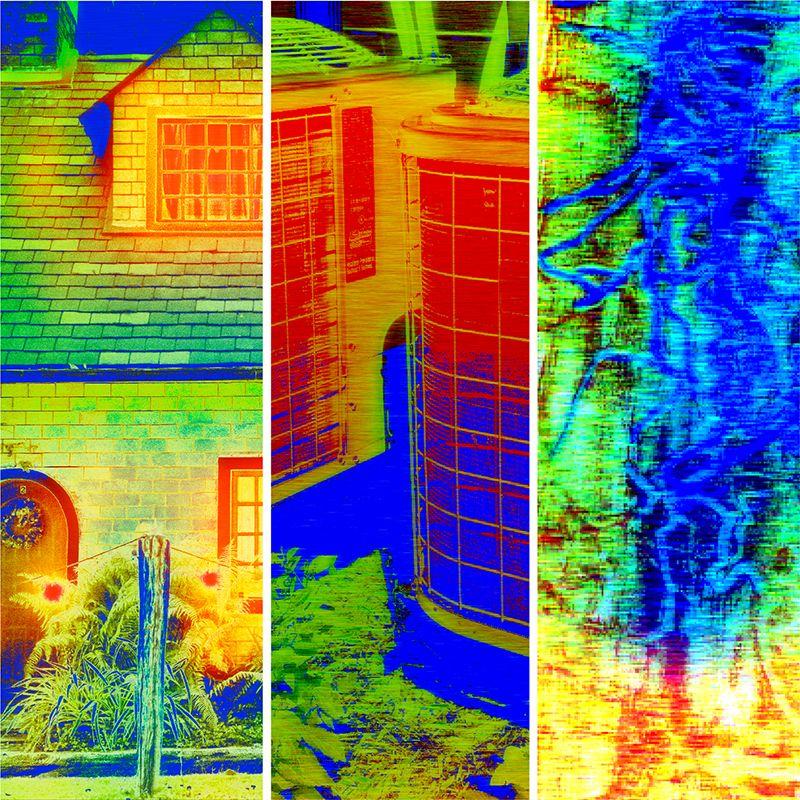
Thermal imaging often highlights cooler areas where water has migrated vertically or horizontally.
2. Subfloor and Flooring Saturation
In slab foundation homes, water can seep under tile, laminate, or vinyl flooring.
Inspectors commonly find:
- Damp subfloor materials
- Loose tiles due to moisture movement
- Warped laminate planks
- Adhesive breakdown under vinyl
These issues may not be visible until months later unless detected early.
Dehumidification helps stabilize moisture beneath flooring before damage spreads.
3. Elevated Indoor Humidity
After plumbing leaks, interior humidity levels often spike.
Even if standing water is removed quickly, moisture evaporates into the air. In Palm Bay’s already humid climate, indoor relative humidity can remain elevated for days.
High indoor humidity:
- Slows structural drying
- Impacts comfort
- Encourages condensation
- Affects air quality
Professional dehumidifiers pull excess moisture from the air, helping materials dry faster and more thoroughly.
4. Insulation Damage
Wall insulation and attic insulation near plumbing lines often absorb water.
Wet insulation:
- Loses thermal efficiency
- Holds moisture against framing
- Can deteriorate quickly
Inspections often reveal insulation that looks intact but contains high moisture content.
Removing or thoroughly drying affected insulation prevents ongoing structural stress.
5. Moisture Migration Into Adjacent Rooms
One of the biggest surprises during inspections is how far water travels.
We regularly see moisture from:
- Bathroom leaks affecting nearby hallways
- Kitchen supply line failures reaching living rooms
- Laundry leaks spreading into adjacent bedrooms
Palm Bay homes with open floor plans allow water to move freely beneath flooring materials.
Thermal imaging and moisture mapping help define the full impact zone.
6. Hidden Slab Moisture
Concrete slabs absorb water during plumbing failures, especially in cases involving slab leaks.
Even after visible water is removed, the slab may remain damp. That moisture can:
- Re-release into flooring materials
- Increase indoor humidity
- Create musty odors
Dehumidification systems help draw moisture out of concrete surfaces gradually.
Without controlled drying, slab moisture can persist longer than expected.
Why Dehumidification Is So Important After Plumbing Leaks
Drying with household fans rarely solves the problem.
Palm Bay’s outdoor humidity often exceeds 70%. Opening windows may actually introduce more moisture.
Professional dehumidification:
- Reduces indoor relative humidity
- Pulls moisture from structural materials
- Shortens drying time
- Limits secondary damage
Commercial-grade dehumidifiers paired with air movers create controlled airflow patterns that accelerate evaporation safely.
Moisture levels are monitored daily to ensure materials return to acceptable ranges.
What Happens If Moisture Isn’t Properly Addressed
When plumbing leaks are repaired but structural drying is incomplete, long-term issues may develop.
These include:
- Warped baseboards
- Peeling paint
- Soft drywall sections
- Odor development
- Flooring separation
- Framing stress
In Palm Bay’s warm climate, moisture does not disappear quickly on its own.
Ignoring it often means discovering problems weeks or months later.
The Role of Thermal Imaging in Post-Leak Inspections
Thermal imaging plays a key role in identifying hidden moisture after plumbing failures.
Inspectors use thermal cameras to:
- Scan entire wall sections quickly
- Detect temperature differences caused by moisture
- Narrow down testing areas
- Confirm drying progress
Combined with moisture meter readings, this technology prevents unnecessary demolition while ensuring affected areas are properly treated.
Across Palm Bay and Merritt Island, this approach reduces guesswork and improves accuracy.
Preventing Future Plumbing-Related Moisture Problems
After a plumbing leak and drying process, prevention becomes essential.
Palm Bay homeowners can reduce risk by:
- Inspecting supply lines annually
- Replacing aging hoses under sinks and appliances
- Monitoring water pressure
- Checking for subtle floor changes
- Maintaining proper indoor humidity
- Scheduling periodic property evaluations
Homes with older plumbing systems may benefit from proactive inspection before failures occur.
Routine maintenance protects slab foundation homes from hidden moisture spread.
Why Local Experience Matters in Palm Bay
Florida homes respond differently to plumbing leaks than homes in dry climates.
Local professionals understand:
- How slab foundations absorb moisture
- How quickly humidity slows drying
- How water migrates through Florida construction materials
- How to interpret thermal readings in humid environments
Experience in Palm Bay, Cocoa, and Melbourne leads to faster identification of hidden issues and more effective drying strategies.
At Inspections and More FL, we focus on identifying the full moisture footprint — not just the visible damage.
Protecting Your Palm Bay Property After a Leak
Plumbing leaks happen. What determines long-term impact is how thoroughly the structure is evaluated and dried afterward.
Professional dehumidification combined with careful inspection uncovers:
- Hidden wall moisture
- Subfloor saturation
- Insulation damage
- Slab dampness
- Humidity imbalances
Addressing these issues early protects your home’s structural integrity, flooring systems, and indoor air balance.
If your Palm Bay property has experienced a plumbing leak — even a minor one — a professional moisture evaluation ensures the problem truly stops at the pipe repair.
Drying the structure properly today prevents much bigger repairs tomorrow.
