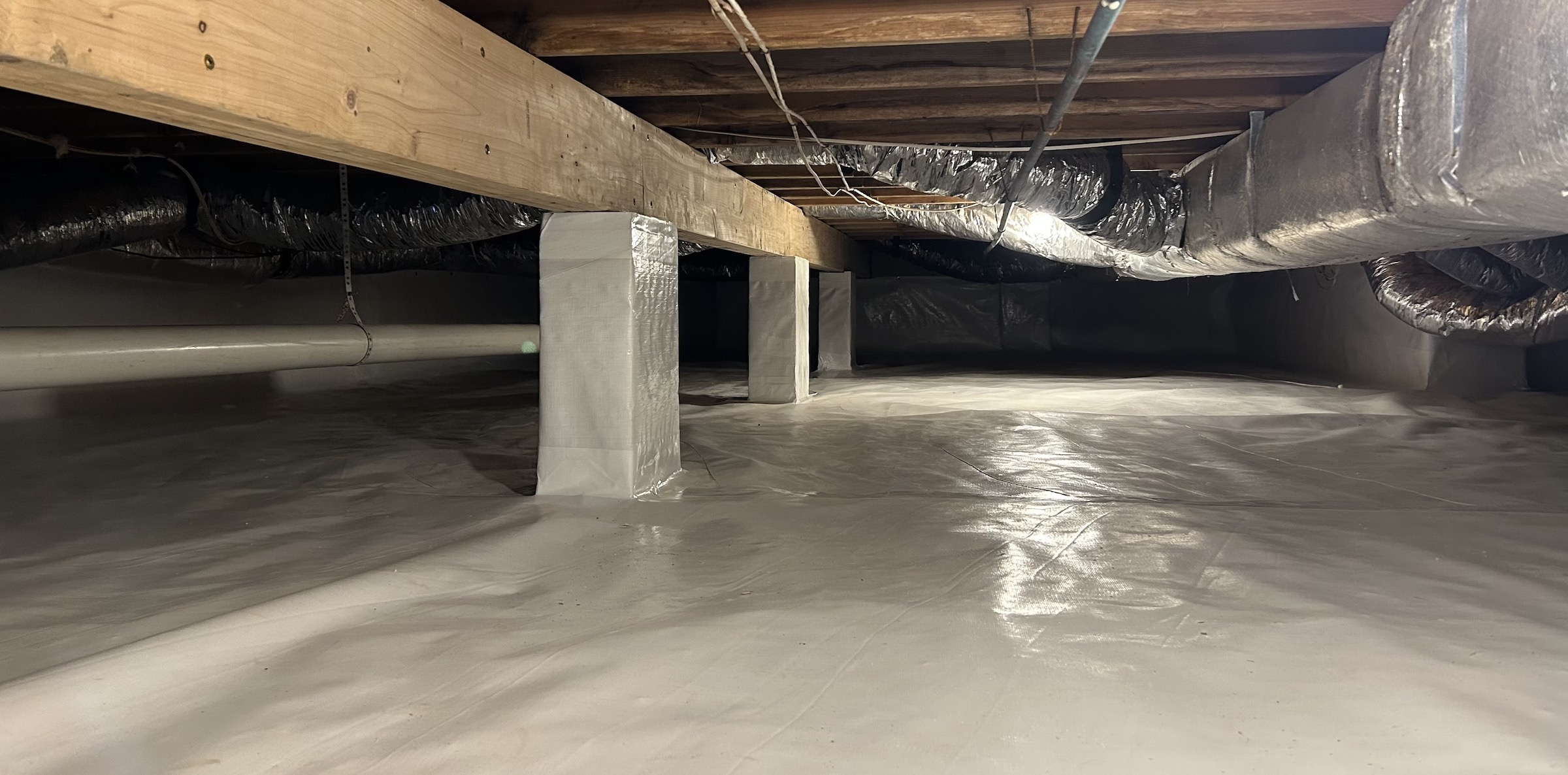
Mold Encapsulation in Sanford in Crawl Spaces: Why Quick Action Matters
Crawl spaces in Sanford homes are easy to forget about — until there’s a problem.
Out of sight often means out of mind. But in Central Florida’s humid climate, crawl spaces are one of the most vulnerable areas of a home. High groundwater levels, heavy seasonal rain, warm temperatures, and limited airflow combine to create an environment where moisture lingers.
And where moisture lingers, mold follows.
In Sanford — as well as nearby areas like Cocoa, Melbourne, Palm Bay, and Merritt Island — mold encapsulation in crawl spaces has become an important solution. But timing matters. Acting quickly can prevent small moisture issues from turning into larger structural and air quality concerns.
What the Issue Really Is
Crawl spaces are naturally prone to moisture.
Unlike slab foundations, crawl spaces have exposed soil beneath the home. Even when a vapor barrier is installed, Florida’s high humidity and water table conditions allow moisture to accumulate.
Over time, this moisture:
- Raises humidity levels beneath the home
- Soaks into wood framing
- Dampens insulation
- Promotes mold growth on floor joists and subflooring
- Affects indoor air quality above
Warm air rises. That means the air from your crawl space eventually moves into your living areas. If mold spores are present below, they can migrate upward.
Encapsulation becomes necessary when mold has formed but structural materials are still salvageable.
Why This Happens So Often in Sanford
Sanford’s environmental conditions make crawl space moisture a recurring issue.
High Water Table
Soil saturation increases during rainy seasons, allowing moisture vapor to rise from the ground.
Frequent Storm Activity
Heavy rainfall and extended wet periods keep crawl spaces damp for longer durations.
Warm Temperatures
Heat accelerates mold growth when moisture is present.
Limited Ventilation
Older crawl spaces often lack adequate airflow to dry naturally.
Poor Drainage
Improper grading around homes can channel rainwater toward the foundation.
In Sanford and nearby inland areas, crawl space humidity can remain elevated even when the weather appears dry above ground.
Common Signs Property Owners Notice
Crawl space mold doesn’t always show itself immediately inside the home. But there are warning signs.
Homeowners may notice:
- Musty odors indoors
- Warped or uneven flooring
- Increased indoor humidity
- Higher energy bills
- Allergic-type irritation indoors
- Insulation hanging or falling beneath the home
Sometimes the first sign is simply a persistent smell that won’t go away.
By the time odors are noticeable, mold growth has usually been present for some time.
Hidden or Overlooked Crawl Space Moisture Sources
Mold growth beneath homes often starts with small, overlooked issues:
- Plumbing leaks under bathrooms or kitchens
- AC condensate line drainage problems
- Gaps in vapor barriers
- Cracked foundation walls
- Open vents during humid months
- Standing water after heavy rain
In Sanford homes with aging vapor barriers, ground moisture can continuously evaporate upward.
Without intervention, wooden support beams and subflooring absorb that moisture.
Encapsulation addresses both the mold and the environmental conditions beneath the home.
Why DIY Attempts Usually Fail
Some homeowners attempt to spray visible mold with bleach or install small fans in crawl spaces.
These approaches rarely solve the core problem.
Bleach Does Not Penetrate Wood
Surface cleaning does not eliminate root growth inside porous materials.
Moisture Remains
Without sealing the environment, humidity continues to feed mold.
Airflow Alone Is Not Enough
Introducing outdoor air in humid Florida conditions can worsen moisture levels.
No Long-Term Barrier
Without encapsulation, ground vapor continues rising.
Mold encapsulation is not just cleaning. It is a controlled remediation and sealing process.
Professional Inspection & Detection Explained
Before encapsulation begins, a structured evaluation is necessary.
In Sanford crawl spaces, this typically includes:
Visual Inspection
Checking joists, subflooring, and insulation for visible growth.
Moisture Meter Testing
Measuring moisture levels in wood framing.
Hygrometer Readings
Monitoring crawl space humidity levels.
Vapor Barrier Evaluation
Assessing integrity and coverage.
Plumbing Inspection
Ensuring no active leaks are present.
Inspections and More FL frequently identifies moisture patterns that homeowners were unaware of, especially in areas beneath bathrooms or kitchens.
Encapsulation decisions are based on measurable moisture levels, not assumptions.
What Mold Encapsulation Actually Involves
Encapsulation is both a remediation and moisture-control solution.
The process typically includes:
Mold Removal
Cleaning and treating affected wood surfaces.
Surface Preparation
Removing loose debris and contaminated insulation.
Application of Antimicrobial Treatments
Reducing active mold presence.
Encapsulation Coating
Applying a specialized sealant to wood surfaces to inhibit future growth.
Vapor Barrier Installation or Replacement
Sealing exposed soil with thick polyethylene sheeting.
Sealing Crawl Space Vents
Preventing humid outdoor air from entering.
Dehumidification Setup
Installing crawl space dehumidifiers when necessary.
Encapsulation locks out moisture while stabilizing structural materials.
In Sanford’s climate, this dual approach is essential.
Why Quick Action Matters
Delaying encapsulation can lead to:
- Structural wood weakening
- Increased mold spread
- Subfloor damage
- Higher remediation costs
- Insulation deterioration
- Indoor air contamination
Mold grows rapidly in Florida’s warm conditions. Within days, growth can expand significantly if moisture remains.
Early intervention limits both damage and cost.
Homes in Cocoa, Melbourne, Palm Bay, and Merritt Island experience similar crawl space challenges, though soil and drainage conditions may vary slightly.
The common factor is humidity.
Cost Factors in Crawl Space Encapsulation
Encapsulation costs depend on:
- Size of crawl space
- Severity of mold growth
- Extent of moisture damage
- Vapor barrier replacement needs
- Dehumidification system installation
- Structural repairs required
The longer mold is allowed to spread, the more extensive material replacement may become.
Quick action often means the difference between surface treatment and major structural repair.
Preventing Future Crawl Space Mold in Sanford
After encapsulation, maintaining a dry environment is key.
Homeowners can:
- Monitor crawl space humidity regularly
- Inspect vapor barriers annually
- Maintain proper exterior drainage
- Keep gutters clear
- Ensure plumbing systems are leak-free
- Schedule post-storm inspections
Routine inspections help detect minor issues before they escalate.
In Central Florida, moisture management must be proactive.
Why Local Florida Experience Matters
Crawl spaces in Sanford behave differently than in dry climates.
The combination of:
- High water tables
- Frequent rainfall
- Warm temperatures
- Seasonal storms
… creates consistent moisture pressure beneath homes.
Professionals familiar with Central Florida construction understand how local soil types, drainage patterns, and building materials respond to humidity.
Inspections and More FL approaches crawl space encapsulation with this localized understanding — focusing on both mold remediation and long-term moisture stabilization.
Experience in Florida conditions makes a measurable difference.
A Calm, Practical Next Step
If you suspect mold in your Sanford crawl space or notice persistent musty odors indoors, early evaluation is the safest step.
Encapsulation is not about covering up a problem.
It’s about correcting the environment beneath your home so moisture and mold cannot return.
In Florida’s climate, moisture is constant.
Quick action keeps it from becoming costly.