
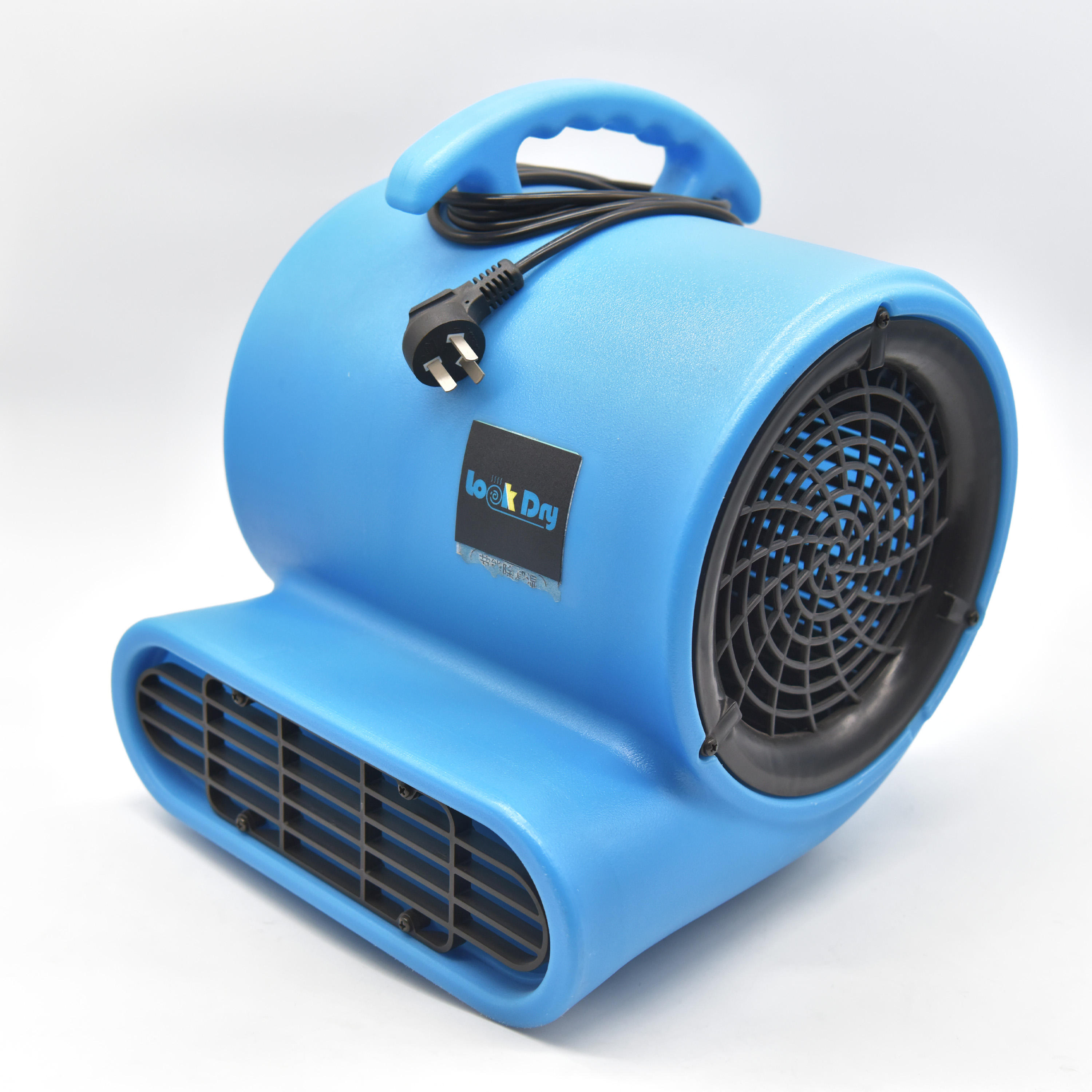
During Extreme Humidity in Cocoa: A Closer Look at Air Blower Installation
If you’ve lived in Cocoa for more than a summer, you already know how intense humidity can feel. The air gets thick. Closets start smelling musty. Floors feel slightly damp even when there hasn’t been a leak.
Extreme humidity in coastal Florida isn’t just uncomfortable — it places real stress on homes.
When indoor moisture levels remain elevated for extended periods, airflow becomes just as important as dehumidification. That’s where professional air blower installation plays a critical role.
Air blowers aren’t just noisy fans placed in a room. When installed correctly and strategically, they become part of a controlled moisture management system that protects structural materials and improves drying performance.
Let’s take a closer look at why air blower installation matters during extreme humidity in Cocoa and surrounding areas like Merritt Island, Melbourne, and Palm Bay.
What Extreme Humidity Does Inside Cocoa Homes
Cocoa’s coastal location exposes homes to:
- Year-round elevated humidity
- Salt air exposure
- Frequent afternoon storms
- High groundwater levels
- Warm attic temperatures
- Constant AC use
When relative humidity climbs above 60% for extended periods, moisture begins interacting with building materials.
You may not see water pooling anywhere. Instead:
- Drywall absorbs humidity
- Hardwood flooring expands
- Subfloors retain dampness
- Insulation holds moisture
- Attics trap humid air
- HVAC systems struggle to balance airflow
Over time, stagnant air pockets form in closets, wall cavities, and under flooring systems.
Humidity alone — without visible leaks — can create moisture retention zones inside a home.
That’s when airflow becomes critical.
What Air Blower Installation Actually Is
Air blower installation involves placing high-velocity air movers in strategic positions to promote controlled air circulation.
These are not standard household fans.
Professional air blowers:
- Move large volumes of air
- Create directed airflow across surfaces
- Support structural drying
- Prevent stagnant moisture pockets
- Assist dehumidification systems
In Cocoa homes experiencing extreme humidity, air blowers are often installed:
- Along baseboards
- Across damp flooring
- Inside affected rooms
- Near air handler closets
- In attic access areas
Their purpose is simple but important: increase evaporation and prevent moisture from lingering in one area.
Why Cocoa Homes Benefit From Air Blower Installation
Humidity in Cocoa isn’t a short-term event. It can remain elevated for days or weeks during certain seasons.
When air becomes stagnant:
- Evaporation slows
- Materials remain damp longer
- Microbial growth risk increases
- Musty odors persist
- AC systems work harder
Air blowers create consistent surface airflow, which:
- Speeds moisture evaporation
- Supports dehumidifiers
- Balances indoor airflow
- Reduces localized humidity buildup
Especially in slab homes common throughout Cocoa, airflow across flooring surfaces can significantly improve drying efficiency.
Common Signs Airflow Support May Be Needed
Homeowners in Cocoa often notice subtle indicators during extreme humidity:
- A damp feeling in specific rooms
- Hardwood cupping or slight warping
- Musty odors in closets
- Condensation on windows
- AC running continuously
- Humid air despite cooling
If indoor humidity stays high even with AC use, airflow imbalance may be contributing.
Air blowers don’t replace dehumidifiers — they enhance them.
Hidden Areas Where Air Movement Matters Most
Humidity problems rarely affect only visible spaces.
In Cocoa homes, air blowers are often installed to address:
Under Hardwood or Laminate Flooring
Air movement across seams accelerates evaporation beneath flooring materials.
Along Baseboards
Moisture tends to collect at floor-to-wall transitions.
Inside Utility Closets
Air handlers located in closets create localized humidity.
Attic Access Points
Attic heat and humidity can influence ceiling moisture levels.
After Minor Water Intrusion
Even small plumbing leaks benefit from directed airflow.
Because air naturally circulates unevenly, targeted blower placement makes a significant difference.
Why Standard Fans Are Not Enough
Many homeowners try placing box fans in rooms during humid periods.
While helpful for comfort, household fans:
- Lack directional power
- Don’t create structured airflow patterns
- Can circulate humid air without removing moisture
- Aren’t designed for structural drying
Professional air blowers are engineered for restoration environments.
They create low-angle, high-velocity airflow that travels across surfaces rather than just mixing room air.
That difference matters in Florida’s humid climate.
How Air Blowers Work With Dehumidification
Air blowers and dehumidifiers work as a system.
Here’s how:
- Air blowers increase surface evaporation.
- Evaporated moisture enters the air.
- Dehumidifiers remove that moisture from the air.
- Humidity levels drop.
Without air movement, moisture remains trapped inside materials.
Without dehumidification, blown air simply moves humid air around.
Together, they create controlled drying.
In Cocoa’s environment, this combination is especially important during prolonged humidity spikes.
When to Consider Air Blower Installation
You may want an evaluation if:
- Indoor humidity stays above 60%
- Flooring begins showing minor movement
- Musty odors persist
- You experienced recent storm-related moisture
- AC seems unable to reduce indoor dampness
- Rooms feel humid despite cooling
Air blower installation is often temporary — used during drying periods.
In some cases, permanent ventilation improvements may also be recommended.
Preventing Humidity Damage in Cocoa Homes
Because extreme humidity is common, prevention matters.
Monitor Indoor Humidity
Keep levels between 45%–55%.
Service HVAC Systems Regularly
Ensure airflow is properly balanced.
Improve Attic Ventilation
Reduce heat and moisture buildup above ceilings.
Seal Air Leaks
Prevent humid outdoor air infiltration.
Act Quickly After Water Events
Early airflow and drying reduce long-term risk.
In Cocoa’s coastal climate, moisture control must be proactive.
Why Local Experience Makes a Difference
Humidity behaves differently in Cocoa than in dry inland states.
Understanding:
- Coastal air patterns
- Slab foundation moisture behavior
- Salt air corrosion impact
- AC-heavy cooling systems
- Storm-driven humidity spikes
allows professionals to determine when air blower installation is necessary — and when simpler solutions will suffice.
Not every humid day requires equipment.
But during extreme humidity periods or after moisture intrusion, air movement becomes a critical tool.
Professionals familiar with Cocoa, Merritt Island, Melbourne, and Palm Bay recognize how Florida homes trap moisture differently.
A Practical Next Step During Extreme Humidity
If your Cocoa home feels persistently damp during extreme humidity, don’t ignore the signs.
Lingering moisture can slowly impact flooring, drywall, and indoor air quality.
A professional moisture assessment can determine:
- Whether humidity is elevated
- If airflow imbalance exists
- Whether air blower installation would help
- If dehumidification adjustments are needed
Inspections and More FL works with property owners across Cocoa and nearby communities to evaluate humidity-related concerns and recommend practical, measured solutions.
Because in Florida, controlling moisture isn’t just about comfort.
It’s about protecting the structure itself.
