
Structural Dryouts in Merritt Island Inside Attic Spaces: How Florida’s Climate Makes It Worse
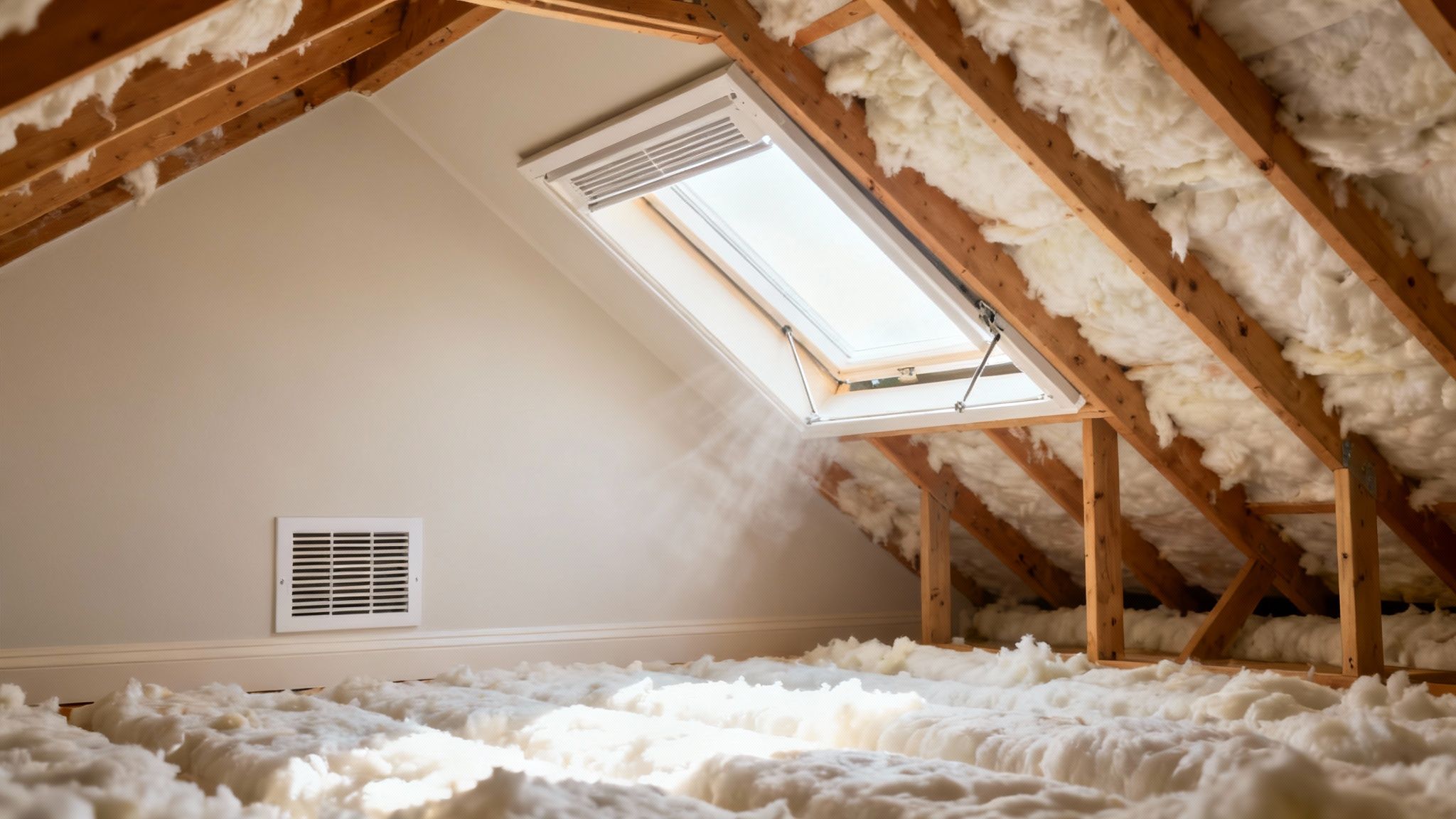
Attic spaces in Merritt Island deal with a unique combination of heat and humidity that most parts of the country simply don’t experience. When moisture enters an attic here — whether from a roof leak, storm intrusion, or condensation — it rarely dries quickly on its own.
That’s where structural dryouts become critical.
In Florida’s coastal climate, attic moisture behaves differently. It lingers longer, spreads further, and places more stress on structural components. If it isn’t addressed properly, the effects can extend well beyond the attic.
Let’s take a closer look at why structural dryouts inside attic spaces are often necessary in Merritt Island — and how Florida’s climate makes the situation worse.
Why Attics in Merritt Island Are Vulnerable
Merritt Island sits between the Indian River and the Banana River, surrounded by constant moisture exposure. Even on clear days, outdoor humidity levels remain high.
Attic spaces face several compounding factors:
- Wind-driven rain during storm season
- High outdoor humidity entering through vents
- Intense solar heat warming roof decking
- Warm indoor air rising into the attic
- Salt-heavy coastal air affecting materials
This creates a challenging environment where moisture can easily enter — and struggle to leave.
How Moisture Gets Into Attic Spaces
Moisture in attics doesn’t always come from a dramatic leak. In Merritt Island homes, it often arrives through subtle pathways.
Common sources include:
- Minor roof flashing failures
- Hurricane-driven rain entering under shingles
- Ridge vent infiltration
- Bathroom exhaust fans venting improperly
- HVAC duct condensation
- Prolonged high humidity after storms
Because attic spaces are rarely monitored daily, moisture may remain unnoticed for extended periods.
Why Florida’s Climate Slows Natural Drying
In drier states, moisture evaporates relatively quickly.
In Merritt Island, high humidity slows evaporation dramatically.
After heavy rain or hurricane activity:
- Outdoor humidity can remain above 70% for days
- Warm temperatures trap moisture inside insulation
- Limited airflow restricts drying
- Repeated storms reintroduce moisture
Opening attic vents doesn’t necessarily help. Humid outdoor air can enter and maintain the problem.
Without active drying, moisture can stay embedded in roof decking and rafters.
What Happens When Attic Moisture Lingers
When structural materials inside an attic remain damp:
- Roof decking absorbs water
- Wooden rafters swell
- Insulation becomes less effective
- Fasteners may corrode
- Odors develop
Over time, repeated humidity cycles weaken wood fibers.
In Merritt Island’s climate, these cycles can repeat several times per year during storm season.
Structural dryouts interrupt that pattern.
What a Structural Dryout in an Attic Involves
A proper attic structural dryout includes more than running a fan.
The process typically involves:
1. Moisture Detection
Moisture meters and thermal imaging identify damp areas in roof decking and framing.
2. Source Correction
Roof leaks, vent issues, or flashing problems must be addressed first.
3. Controlled Airflow
High-velocity air movers circulate air across damp surfaces.
4. Dehumidification
Commercial dehumidifiers remove moisture from the air to accelerate drying.
5. Monitoring
Moisture levels are checked regularly until materials return to safe ranges.
In Florida’s humid climate, verification is essential. Materials may feel dry but still hold internal moisture.
Why Heat Makes the Situation Worse
Attics in Merritt Island often reach extreme temperatures during summer.
Heat combined with humidity creates:
- Condensation cycles on cooler nights
- Repeated expansion and contraction of materials
- Moisture absorption during cooler hours
- Slow release of moisture during the day
This constant cycling stresses roof decking and framing.
Structural dryouts stabilize moisture levels before repeated cycles cause long-term deterioration.
Storm Season and Repeated Moisture Exposure
Hurricane and tropical storm activity increases attic vulnerability.
Wind-driven rain can enter through small roof vulnerabilities, even if ceilings remain stain-free.
In Merritt Island, back-to-back storms are common. That means:
- Attic insulation may not fully dry between events
- Roof decking remains slightly damp
- Moisture accumulates over time
Without proper drying, each storm compounds the previous exposure.
The Role of Dehumidification in Coastal Attics
Air movement alone isn’t enough in Florida.
Because outdoor humidity remains high, dehumidification becomes critical during attic dryouts.
Commercial dehumidifiers:
- Extract moisture from the air
- Lower relative humidity
- Support faster evaporation from wood
- Prevent moisture reabsorption
This controlled environment speeds up structural drying significantly compared to natural ventilation.
Why DIY Attic Drying Often Fails
Homeowners sometimes attempt to dry attics by:
- Leaving vents open
- Running small fans
- Waiting for hot weather
In Merritt Island’s climate, these methods rarely remove embedded moisture.
Professional equipment is designed to:
- Move large volumes of air
- Extract moisture continuously
- Target specific damp zones
- Monitor progress accurately
Without moisture readings, it’s impossible to know when structural materials are truly dry.
Protecting Roof Structure and Insulation
Structural dryouts inside attic spaces protect:
- Roof decking integrity
- Rafter stability
- Insulation efficiency
- Fastener longevity
- Overall roof lifespan
When moisture is removed promptly, materials maintain their strength and durability.
Ignoring attic moisture can shorten the life of roofing systems significantly.
Why Local Experience Matters in Merritt Island
Attic moisture behaves differently in Florida than in dry inland states.
Local professionals understand:
- How wind-driven coastal rain travels under shingles
- How salt air affects roofing materials
- How humidity cycles vary seasonally
- How slab homes influence attic airflow
- How to interpret moisture readings in high-humidity environments
Experience across Merritt Island, Cocoa, Palm Bay, and Melbourne ensures structural dryouts are tailored to Florida’s climate — not generic guidelines.
At Inspections and More FL, drying decisions are based on measured moisture levels and real-world coastal conditions.
Preventing Future Attic Moisture Problems
Merritt Island homeowners can reduce risk by:
- Inspecting roofs after storms
- Checking attic insulation annually
- Ensuring bathroom exhaust vents exit properly
- Monitoring indoor humidity levels
- Scheduling post-storm moisture evaluations
Storm season is predictable. Moisture damage doesn’t have to be.
Protecting Your Merritt Island Home From Above
Structural dryouts in attic spaces become necessary in Merritt Island because Florida’s climate works against natural drying.
High humidity, repeated storms, intense heat, and salt-heavy air create an environment where moisture lingers and spreads.
When performed properly, attic structural dryouts:
- Remove embedded moisture
- Protect roof decking and framing
- Reduce recurring humidity cycles
- Preserve insulation performance
- Support long-term structural stability
In a coastal environment where humidity is constant, proactive drying protects your home from the top down.
If your Merritt Island attic has experienced storm-related moisture or persistent dampness, a professional evaluation can determine whether structural drying is necessary before small issues evolve into larger structural concerns.
Florida’s climate may make attic moisture worse — but proper structural dryouts keep it under control.
