
How Mold Encapsulation Protects Properties in Cocoa After Heavy Rainstorms
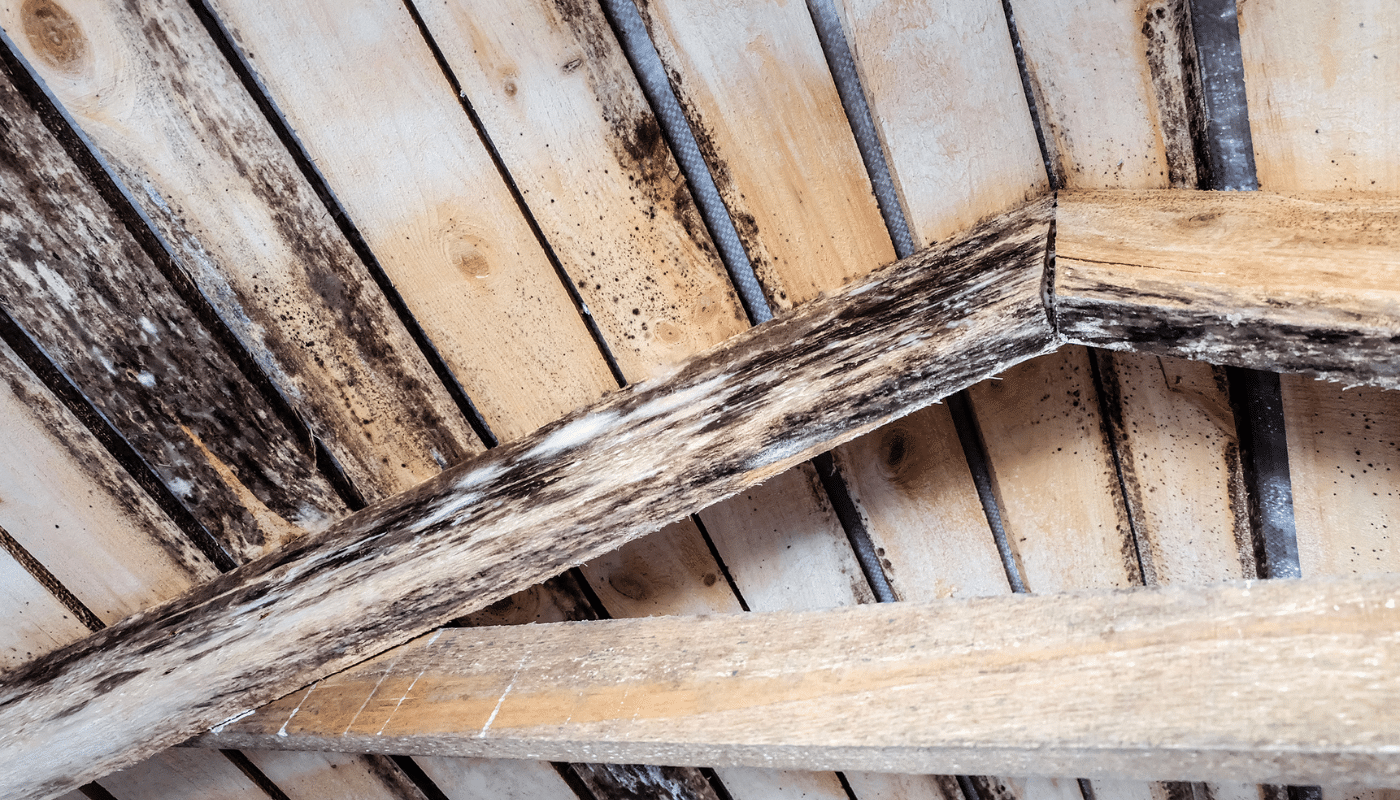
Heavy rainstorms are nothing new in Cocoa. Between summer downpours, tropical systems, and hurricane season, homes in Brevard County regularly endure intense rainfall and wind-driven moisture. Even when a property avoids flooding, heavy storms often introduce hidden moisture into attic spaces, crawl spaces, and wall cavities.
In Florida’s humid climate, that lingering moisture doesn’t dry quickly. And when materials stay damp long enough, mold growth can develop on structural framing and sheathing.
After proper remediation and drying, mold encapsulation becomes one of the most effective ways to protect Cocoa properties from recurring storm-related moisture issues.
Let’s take a closer look at how encapsulation works — and why it plays such an important role after heavy rainstorms in coastal Florida.
Why Heavy Rainstorms Create Hidden Mold Risks in Cocoa
Cocoa’s proximity to the coast means storms rarely bring “just rain.” They bring:
- Wind-driven water forced beneath shingles
- Heavy, prolonged rainfall
- Elevated humidity lasting for days
- Saturated soil around foundations
- High water tables affecting crawl spaces
Even small roof vulnerabilities can allow water to enter attics without obvious ceiling damage.
Likewise, exterior wall seams, window flashing, and soffits may allow moisture intrusion during strong storms.
Because humidity remains high after the rain stops, materials like wood framing and insulation often stay damp longer than homeowners expect.
That’s when mold growth can begin quietly.
Where Mold Commonly Appears After Storms
In Cocoa homes, post-storm mold growth often develops in areas such as:
Attics
Roof decking and rafters absorb wind-driven rain and humid air.
Crawl Spaces
Saturated soil increases humidity beneath the home.
Exterior Wall Cavities
Water intrusion travels downward along framing.
Slab Edges
Concrete absorbs moisture from soaked ground.
Around Windows and Doors
Seal failures allow repeated moisture entry.
These areas may not show visible damage immediately, but moisture readings often reveal elevated levels days after a storm.
Why Removing Mold Isn’t Always Enough
When mold develops after heavy rain, remediation focuses on:
- Correcting the moisture source
- Removing contaminated materials
- Cleaning affected structural surfaces
- Thoroughly drying the area
But in Cocoa’s climate, humidity cycles continue even after remediation.
Outdoor moisture levels remain high. Storms return. Crawl spaces stay vulnerable.
Without added protection, cleaned wood can remain susceptible to future growth.
That’s where mold encapsulation adds long-term value.
What Mold Encapsulation Actually Does
Mold encapsulation is the application of a protective coating to cleaned and dried structural materials.
It is not applied over active mold. It follows proper remediation and structural drying.
Encapsulation creates a barrier that:
- Seals cleaned wood surfaces
- Locks down residual microscopic particles
- Adds moisture resistance
- Reduces the likelihood of future mold colonization
- Strengthens structural durability
In coastal Florida, that additional barrier helps protect framing from repeated humidity exposure.
Why Cocoa’s Climate Makes Encapsulation Beneficial
Cocoa’s climate presents several ongoing challenges:
- Year-round humidity
- Frequent rainstorms
- Salt-heavy coastal air
- Slow natural drying
- Repeated storm cycles
Even when a roof repair is completed, environmental humidity doesn’t disappear.
Encapsulation provides reinforcement against those ongoing conditions.
It doesn’t eliminate moisture exposure — but it reduces how vulnerable structural materials are to it.
Crawl Space Encapsulation After Storm-Related Mold
Crawl spaces in Cocoa often experience increased humidity after heavy rain.
When soil becomes saturated:
- Humid air rises
- Floor joists absorb moisture
- Wood framing remains damp
After remediation and drying, encapsulating floor joists helps:
- Add moisture resistance
- Protect against future humidity spikes
- Support long-term crawl space stability
In many coastal properties, this added protection significantly reduces recurrence.
Attic Encapsulation Following Roof Intrusion
Wind-driven rain frequently affects attic spaces in Cocoa homes.
Even minor roof failures can allow moisture to spread across roof decking.
After mold removal and drying, encapsulating attic framing:
- Reinforces cleaned wood
- Reduces future mold risk
- Helps protect against recurring humidity cycles
- Supports roof structure longevity
Because attic temperatures fluctuate dramatically in Florida, encapsulation adds a valuable layer of resilience.
The Importance of Proper Drying Before Encapsulation
Encapsulation only works when applied to dry, stabilized materials.
Before applying protective coatings, professionals:
- Measure moisture content with calibrated meters
- Use dehumidifiers and air movers
- Confirm structural materials are within safe moisture ranges
- Ensure the original intrusion source is fully repaired
Applying encapsulation over damp wood can trap moisture — which defeats its purpose.
Moisture verification is essential in Florida’s humid environment.
At Inspections and More FL, encapsulation is never rushed. It follows measured confirmation that drying is complete.
Why DIY Encapsulation Is Risky
Some property owners attempt to apply sealants themselves.
Common problems include:
- Coating over active mold
- Skipping professional cleaning
- Ignoring hidden moisture
- Using inappropriate materials
Encapsulation must follow remediation and drying protocols.
Without proper preparation, moisture can become trapped beneath coatings and create deeper structural concerns.
Long-Term Benefits for Cocoa Properties
When performed correctly, mold encapsulation after heavy rainstorms:
- Reinforces structural framing
- Adds protection against recurring humidity
- Supports indoor air stability
- Reduces repeat remediation needs
- Extends the lifespan of wood components
In a climate where storms are routine, that added protection provides peace of mind.
Preventing Future Storm-Related Mold Issues
Cocoa homeowners can reduce risk by:
- Inspecting attics after heavy rain
- Monitoring crawl space humidity
- Keeping indoor humidity below 60%
- Maintaining roof flashing and seals
- Scheduling periodic moisture evaluations
Storm season is predictable. Structural damage doesn’t have to be.
Why Local Experience Matters in Cocoa
Encapsulation strategies must reflect local environmental conditions.
Professionals familiar with Cocoa understand:
- How wind-driven coastal rain behaves
- How high water tables affect foundations
- How salt air accelerates material wear
- How humidity cycles impact structural drying
Experience across Cocoa, Merritt Island, Palm Bay, and Melbourne ensures encapsulation is applied strategically — not automatically.
At Inspections and More FL, decisions are based on measured moisture levels and real-world coastal conditions.
Protecting Your Cocoa Property After Heavy Rain
Heavy rainstorms in Cocoa introduce more than visible water. They create hidden moisture cycles that stress structural materials.
Mold encapsulation protects properties by:
- Reinforcing cleaned framing
- Adding moisture resistance
- Supporting long-term stability
- Reducing recurrence risk
- Strengthening storm-season resilience
When paired with proper remediation and drying, encapsulation helps coastal homes stand up to Florida’s demanding climate.
If your Cocoa property has experienced heavy rain intrusion or post-storm mold concerns, a professional evaluation can determine whether encapsulation is appropriate to protect your structure moving forward.
In coastal Florida, proactive protection often makes all the difference.
