
Why Dehumidification Becomes Necessary in Cocoa Inside Commercial Buildings
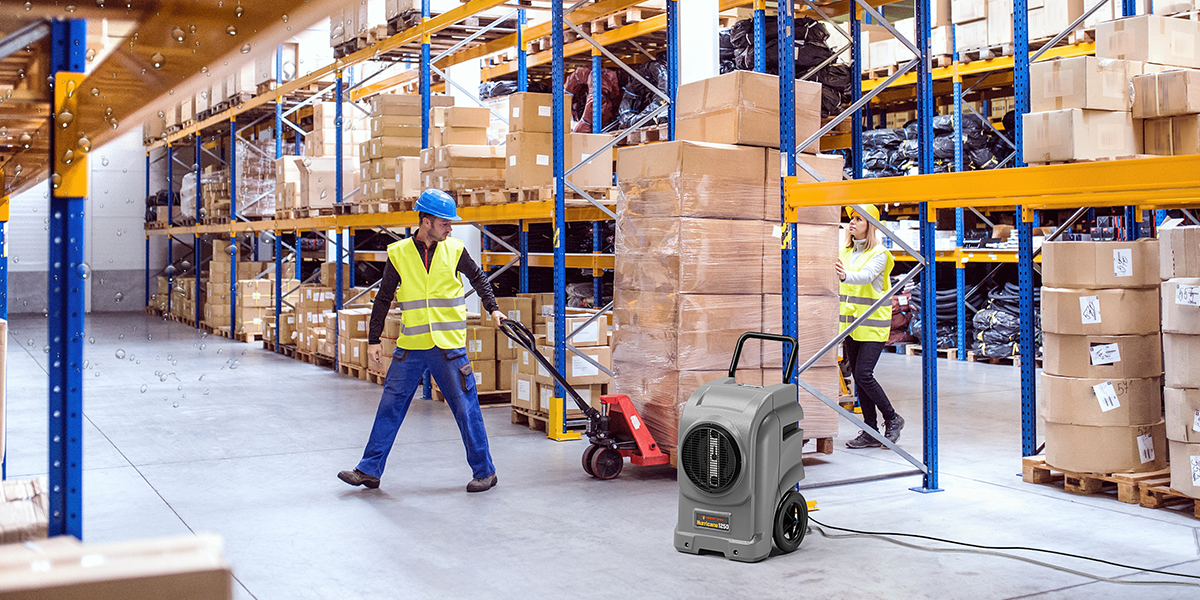
Commercial buildings in Cocoa face a constant battle with humidity. Between coastal air, afternoon rainstorms, and year-round moisture levels, humidity doesn’t just sit outside — it finds its way inside.
Retail spaces, office buildings, warehouses, medical facilities, and light industrial properties all share the same environmental challenge: persistent indoor moisture. And when humidity stays elevated, dehumidification becomes more than a comfort upgrade. It becomes necessary for protecting the building, equipment, and air quality.
In Cocoa’s climate, ignoring indoor moisture rarely ends well.
What the Issue Really Is
Humidity refers to the amount of moisture in the air. In commercial buildings, that moisture accumulates from multiple sources:
- Outdoor air entering through doors and ventilation systems
- Occupant activity
- HVAC condensation
- Roof or plumbing leaks
- Concrete slab moisture
When indoor humidity remains above recommended levels — typically above 60% — problems begin to develop.
Moisture doesn’t always show itself as standing water. It lingers in the air and settles into porous materials like drywall, insulation, ceiling tiles, carpeting, and wood framing.
Over time, that trapped moisture creates conditions for mold growth, corrosion, material breakdown, and indoor air concerns.
Why This Happens So Often in Cocoa
Cocoa’s location near the Indian River Lagoon and Atlantic coastline exposes commercial buildings to elevated moisture levels year-round.
High Ambient Humidity
Humidity in Cocoa often stays high even outside of rainy season. Warm, moisture-heavy air constantly enters buildings through door openings, loading docks, and ventilation systems.
Storm Activity
Summer thunderstorms and tropical systems increase soil saturation and outdoor humidity dramatically. After heavy rainfall, commercial buildings can experience lingering moisture inside walls and slab foundations.
High Water Table
Certain areas of Cocoa have naturally high groundwater levels. Moisture can migrate upward through concrete slabs, especially in older buildings without vapor barriers.
HVAC System Strain
Commercial HVAC systems in Florida work hard to cool indoor air. If the system is oversized, undersized, or improperly balanced, it may cool the space without adequately removing humidity.
Roof and Structural Aging
Flat commercial roofs are especially vulnerable to water intrusion during storms. Even minor leaks contribute to elevated interior humidity.
These factors combine to make dehumidification a routine necessity rather than a temporary solution.
Common Signs Property Owners Notice
Humidity issues in commercial buildings often appear gradually.
Property managers and business owners may notice:
- Musty odors
- Condensation on windows or metal surfaces
- Warped doors or trim
- Peeling paint
- Ceiling tile staining
- Increased indoor “stickiness”
- Mold spots along baseboards
- Employees complaining about air quality
In warehouses and storage facilities, excess humidity can damage inventory, packaging materials, and equipment.
In office environments, it may lead to uncomfortable working conditions and higher energy costs.
Hidden or Overlooked Sources
Many humidity problems in Cocoa commercial buildings stem from overlooked areas.
Common hidden contributors include:
- Moisture migrating through concrete slabs
- Insufficient air circulation in storage rooms
- Poor insulation above ceilings
- Leaking rooftop HVAC units
- Gaps around exterior doors
- Crawl spaces beneath commercial properties
- Improperly sealed ductwork
Even buildings that appear dry can hold moisture inside wall cavities or ceiling plenum spaces.
Without detection tools, these issues remain unnoticed until damage becomes visible.
Why DIY Attempts Usually Fail
Commercial property managers sometimes attempt to address humidity by:
- Lowering the thermostat
- Using small residential dehumidifiers
- Running fans continuously
These steps may provide temporary relief but rarely solve the root issue.
Lowering temperature does not always reduce humidity effectively. In fact, cooling air without proper moisture removal can create condensation problems.
Small portable units lack the capacity needed for large commercial spaces.
Fans alone only circulate humid air — they don’t remove moisture.
Without professional moisture assessment and properly sized equipment, humidity problems return quickly.
Professional Inspection & Detection Explained
When dehumidification becomes necessary, the first step involves identifying moisture levels and sources.
A professional evaluation typically includes:
Humidity Measurement
Using calibrated hygrometers to measure indoor relative humidity.
Moisture Mapping
Testing walls, ceilings, and flooring for elevated moisture levels.
Thermal Imaging
Identifying hidden moisture pockets behind surfaces.
HVAC Performance Assessment
Evaluating whether the system properly balances cooling and humidity removal.
Roof and Structural Review
Checking for intrusion points that may contribute to excess moisture.
At Inspections and More FL, we focus on determining whether humidity stems from environmental exposure, system imbalance, or hidden water intrusion.
Proper Dehumidification & Moisture Control Process
Once elevated humidity is confirmed, proper dehumidification involves more than plugging in a unit.
In Cocoa commercial buildings, the process often includes:
Industrial-Grade Dehumidifiers
Installing high-capacity units designed for commercial square footage.
Air Movement Support
Using air movers to increase circulation and accelerate drying.
Targeted Structural Dryouts
Drying wall cavities, ceiling spaces, and slab surfaces when needed.
HVAC Adjustments
Ensuring the cooling system removes humidity efficiently.
Air Scrubbing
Filtering airborne particles if mold growth is present.
Anti-Microbial Treatments
Addressing microbial growth in affected materials when necessary.
Moisture Source Correction
Repairing leaks, sealing gaps, and improving drainage around the building.
Long-Term Monitoring
Tracking indoor humidity levels to prevent recurrence.
Dehumidification works best when combined with proper building maintenance and moisture prevention strategies.
How to Prevent Excess Humidity in Cocoa Commercial Buildings
Humidity control requires consistent attention.
Preventive measures include:
- Regular HVAC maintenance
- Inspecting roofing systems annually
- Sealing exterior openings
- Installing vapor barriers where appropriate
- Monitoring indoor humidity levels
- Inspecting after heavy storms
- Maintaining proper drainage around foundations
- Ensuring ductwork insulation remains intact
For businesses near waterways or low-lying areas in Cocoa, proactive humidity management is especially important.
Waiting until damage appears often results in higher repair costs.
Why Local Florida Experience Matters
Commercial dehumidification in Cocoa differs from dry-climate solutions.
Understanding:
- Coastal humidity patterns
- Seasonal storm cycles
- Soil moisture behavior
- Commercial roofing styles
- HVAC demands in Florida heat
makes a measurable difference in long-term results.
Local experience allows faster identification of moisture sources and more accurate equipment sizing.
Every commercial property has unique airflow and exposure factors. A tailored approach prevents ongoing problems.
A Practical Step Forward
Humidity inside a commercial building isn’t just uncomfortable — it can damage materials, disrupt business operations, and create avoidable repair costs.
In Cocoa’s climate, dehumidification often becomes necessary to maintain safe and stable indoor conditions.
If your building feels damp, smells musty, or shows signs of moisture buildup, early evaluation prevents larger structural and air quality issues.
Managing humidity properly protects your property investment and keeps your building functioning as it should.
