Air Blower Installation in Cocoa After Flooding Events: The Science Behind the Solution
Flooding in Cocoa doesn’t always mean feet of standing water. Sometimes it’s heavy storm runoff, wind-driven rain, or localized drainage overflow that leaves rooms damp for hours — maybe a day — and then appears to “dry out.”
But in Florida’s humid climate, drying on the surface doesn’t mean drying underneath.
After flooding events in Cocoa, air blower installation becomes one of the most important scientific steps in preventing structural damage. It’s not just about moving air around. It’s about controlling evaporation, moisture migration, and humidity balance inside building materials.
What Happens to Building Materials After Flooding
When floodwater enters a Cocoa home, it doesn’t just sit on tile or carpet.
Water quickly absorbs into:
- Drywall
- Insulation
- Wood framing
- Subflooring
- Base plates
- Concrete slabs
Materials like wood and drywall are porous. That means they hold moisture inside their structure, even after visible water is removed.
In Cocoa’s high-humidity environment, natural evaporation slows dramatically. If moisture remains trapped for too long, mold development can begin within 24 to 48 hours.
This is where air movement becomes critical.
The Science of Evaporation and Airflow
Drying structural materials relies on a simple scientific principle: evaporation increases when airflow increases.
When air moves across a damp surface:
- It disrupts the layer of saturated air sitting directly on the material.
- It allows moisture molecules to escape into the surrounding air.
- It speeds up the drying rate.
Without airflow, moisture remains stagnant on surfaces and inside materials.
Air blower installation creates continuous air movement that accelerates evaporation — especially along wall bases, slab edges, and subfloor seams.
Why Cocoa Homes Require Aggressive Drying
Cocoa’s coastal climate adds complexity to flood recovery.
High Ambient Humidity
Outdoor humidity remains elevated even after storms. That slows evaporation unless mechanical drying is introduced.
Slab Foundations
Many Cocoa homes sit on concrete slabs. Floodwater can migrate between flooring and concrete, where it becomes trapped.
Storm-Driven Intrusion
Wind-driven rain often enters at wall edges and door thresholds, saturating perimeter framing.
Heat and Humidity Combination
Warm temperatures increase moisture retention in enclosed spaces.
These factors make passive drying unreliable.
What Air Blower Installation Actually Does
Air blowers (also called air movers) are high-velocity fans designed to create directed airflow across affected areas.
They are positioned to:
- Push air across wet flooring
- Circulate air along wall bases
- Improve airflow in open wall cavities
- Support drying beneath cabinets or fixed structures
The key is not random placement. Airflow must be targeted to maximize surface evaporation.
In many Cocoa flood recovery cases, air blowers are angled along slab edges because moisture frequently migrates outward from the center of affected areas.
The Role of Dehumidification in the Process
Air blowers alone do not remove moisture from the environment. They only move it.
That’s why professional drying always combines air blowers with industrial dehumidifiers.
Here’s how the science works:
- Air blowers increase evaporation.
- Evaporated moisture enters the air.
- Dehumidifiers remove that moisture from the air.
- The air becomes dry enough to absorb more moisture from materials.
Without dehumidification, humid air would simply recirculate.
In Cocoa’s humid climate, this balance is essential.
Where Air Blowers Are Most Effective After Flooding
In Cocoa homes, air blower installation typically targets:
Slab Edges
Perimeter walls often retain moisture longest.
Under Hardwood or Laminate Flooring
Specialized airflow may be directed toward seams and transitions.
Base Plates and Lower Framing
Floodwater frequently saturates bottom wall plates.
Wall Cavities (If Opened)
Airflow supports structural drying behind drywall.
Crawl Spaces (If Present)
Raised homes may require airflow beneath the structure.
Proper placement reduces drying time significantly.
Monitoring: The Critical Scientific Step
Professional drying is not guesswork.
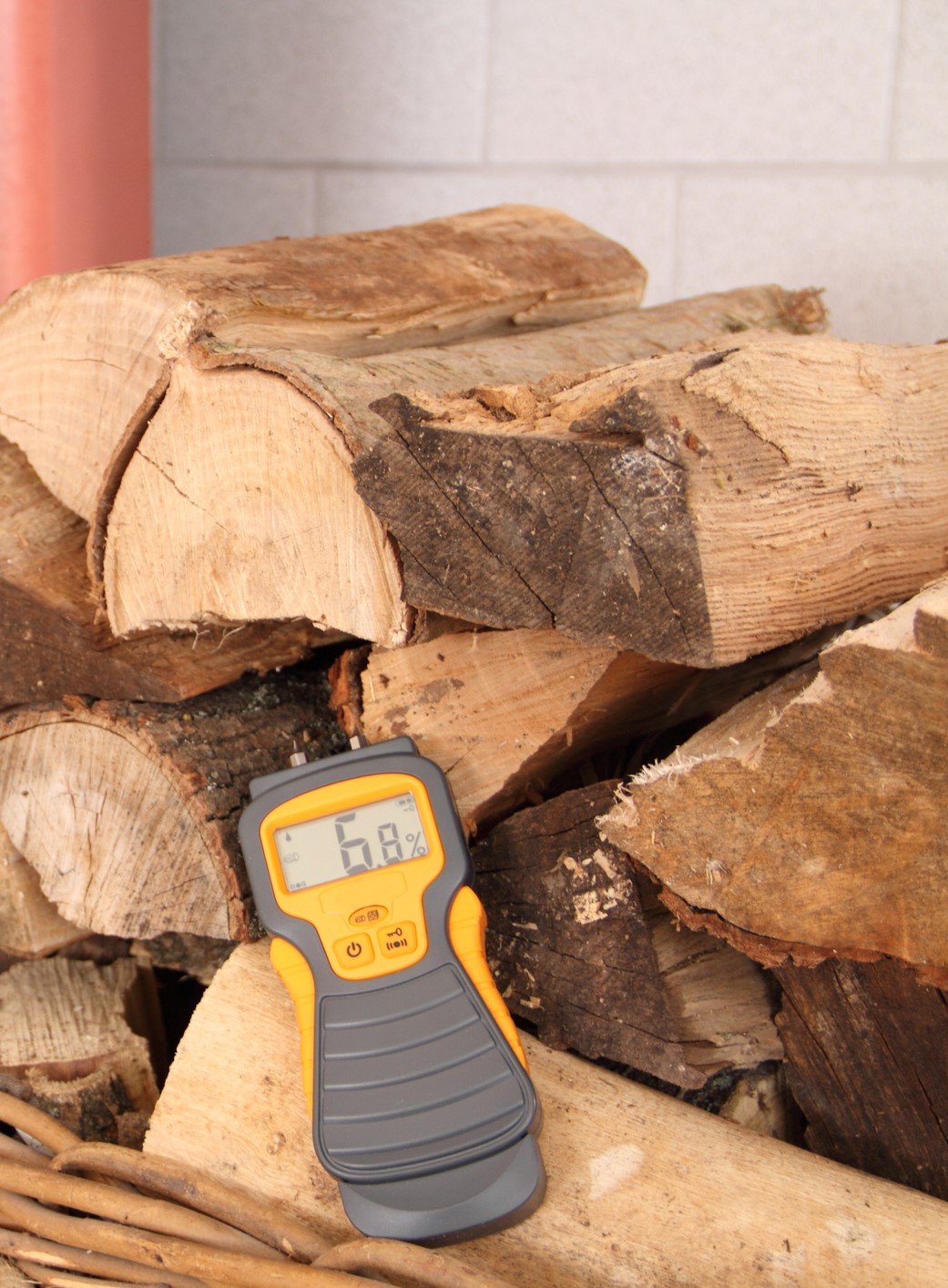
Moisture meters measure:
- Wood moisture content
- Drywall saturation levels
- Subfloor moisture percentages
Thermal imaging may identify hidden damp areas that require additional airflow.
Daily monitoring ensures materials are drying at expected rates.
Over-drying can also cause material stress — so controlled airflow matters.
Professionals familiar with Cocoa’s coastal conditions, such as Inspections and More FL, understand how local humidity patterns affect drying timelines.
What Happens Without Proper Airflow
If flood-damaged materials are not dried properly:
- Wood framing swells and weakens
- Insulation remains saturated
- Flooring warps
- Mold develops inside wall cavities
- Indoor air quality declines
Even minor flooding events can cause long-term structural complications when airflow is insufficient.
In Florida, moisture left behind almost never resolves on its own.
How Long Air Blower Drying Typically Takes
Drying timelines depend on:
- Severity of flooding
- Home size
- Outdoor humidity
- Type of materials affected
Minor moisture events may stabilize within a few days.
More significant structural saturation may require several days of continuous airflow and dehumidification.
Cocoa’s humidity can slow the process, which is why professional equipment shortens recovery time.
Preventing Recurring Damage After Flooding
Air blower installation is only one part of the solution.
After drying is complete, homeowners in Cocoa should:
- Inspect exterior drainage systems
- Confirm roof integrity
- Monitor indoor humidity (45–55% ideal range)
- Service HVAC systems
- Check slab edges after heavy storms
- Schedule periodic moisture evaluations
Homes in nearby Merritt Island and Melbourne face similar storm patterns, but Cocoa’s inland storm bursts combined with coastal humidity create unique drying challenges.
Proactive moisture management prevents repeat issues.
Why Local Experience Matters
Flood recovery in Florida differs from drier climates.
Professionals experienced in Cocoa understand:
- Slab moisture migration patterns
- Storm-driven water entry routes
- Coastal humidity cycles
- Evaporation delays caused by salt air
- How quickly mold can develop in warm conditions
Scientific drying depends on understanding how moisture behaves in this environment.
Experience ensures air blowers are used strategically — not simply placed and left running.
A Practical Perspective for Cocoa Homeowners
Air blower installation after flooding events in Cocoa is not about noise or surface drying. It’s about science.
By increasing airflow, accelerating evaporation, and working alongside dehumidification, air blowers help remove moisture from structural materials before long-term damage occurs.
In Florida’s humid coastal climate, drying must be controlled and intentional.
With proper moisture detection, targeted airflow, and monitored dehumidification, Cocoa homes can recover efficiently after flooding — protecting structure, air quality, and long-term property value.