
How Dehumidification Protects Properties in Merritt Island When Indoor Air Feels Damp
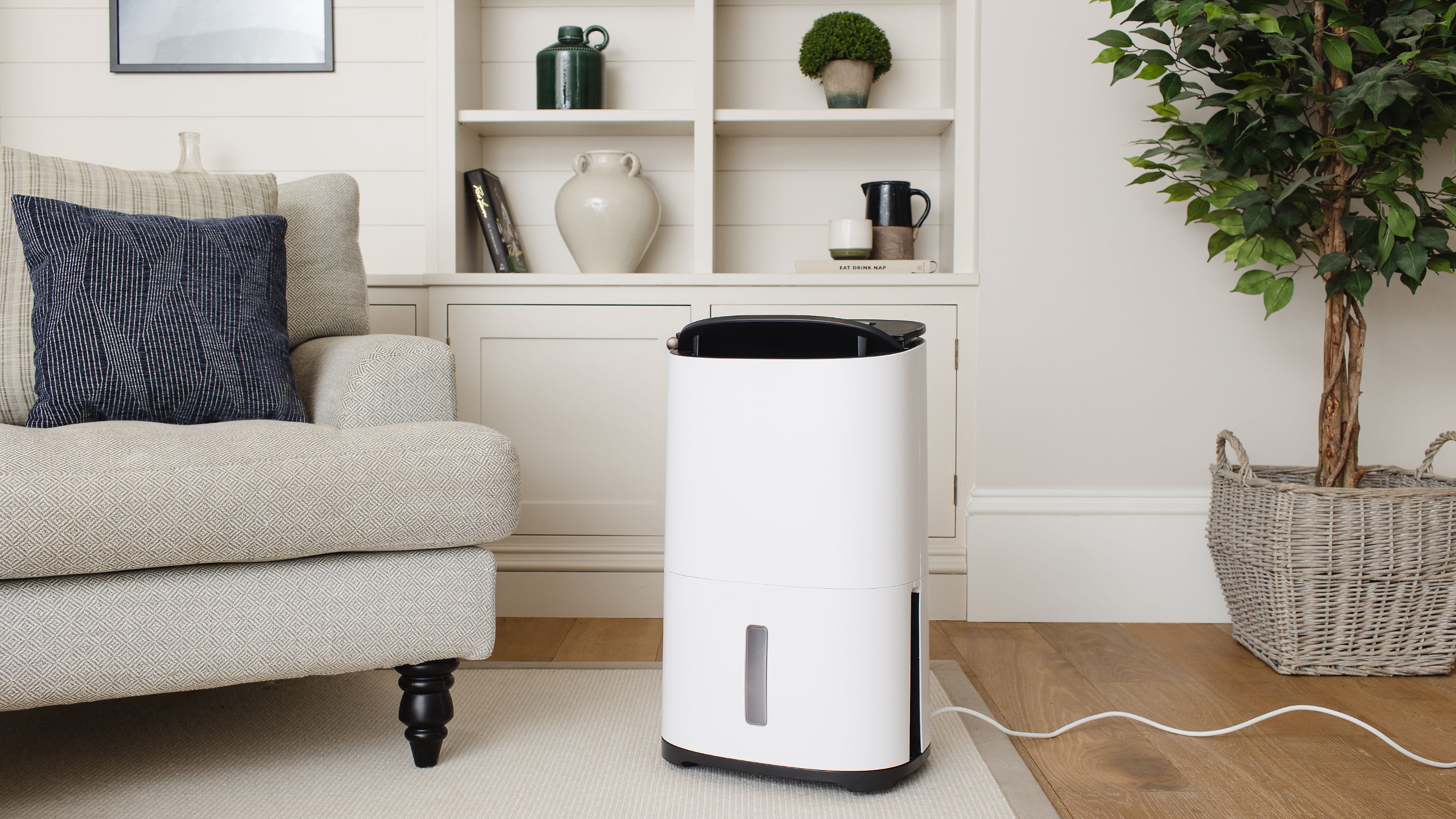
If you live in Merritt Island, you know the feeling. You walk inside and the air feels heavy. The floors seem slightly sticky. Maybe there’s a faint musty smell that wasn’t there before. Nothing appears visibly wet, but something feels off.
In a coastal community like Merritt Island, damp indoor air isn’t just uncomfortable — it’s often a warning sign. Elevated humidity levels can quietly affect drywall, flooring, insulation, and even structural framing. When indoor air consistently feels damp, it usually means moisture levels are climbing beyond safe limits.
Dehumidification is one of the most effective ways to protect properties in Merritt Island from the long-term damage caused by excess humidity. In Florida’s climate, waiting too long to correct indoor moisture can turn a small issue into a much larger one.
Let’s take a closer look at why indoor air feels damp here, what that moisture does to your property, and how proper dehumidification protects your home or rental investment.
Why Indoor Air Feels Damp in Merritt Island
Merritt Island sits between the Indian River Lagoon and the Atlantic Ocean. That location creates consistent humidity year-round. Even on sunny days, the air carries moisture.
Several local conditions contribute to persistent dampness indoors:
- Outdoor humidity often above 70%
- Heavy rainfall during storm season
- High groundwater levels
- Salt air exposure
- Constant AC operation
- Warm attic temperatures
When humid outdoor air enters your home through doors, windows, ductwork, or small structural gaps, indoor humidity rises. If the HVAC system can’t remove moisture fast enough, damp air begins to linger.
This isn’t always caused by visible leaks. In many cases, it’s simply a matter of Florida’s environment overwhelming a building’s moisture control systems.
What Happens When Humidity Stays Elevated
Humidity above 60% creates ideal conditions for moisture absorption. Building materials act like sponges.
In Merritt Island homes, prolonged damp air can affect:
- Drywall and paint
- Baseboards and trim
- Wood flooring
- Subfloor materials
- Insulation
- Ceiling panels
- Cabinet interiors
Over time, elevated humidity can lead to:
- Warped or cupped flooring
- Peeling paint
- Soft drywall
- Persistent musty odors
- Mold growth
- Rusted metal components
- Increased energy bills
Because Florida remains warm for most of the year, mold can begin developing within 24 to 48 hours once materials absorb enough moisture.
Damp air is rarely “just a comfort issue.” It’s often a structural warning sign.
Common Signs Humidity Is Becoming a Problem
When indoor air feels damp, homeowners may notice:
- Condensation forming on windows
- Foggy mirrors that linger
- Sticky surfaces
- Swollen doors that don’t close smoothly
- Increased allergy-like symptoms
- AC running longer than usual
- A constant musty smell
These symptoms often appear before visible mold growth. Addressing humidity at this stage prevents more expensive repairs later.
Why Opening Windows Doesn’t Help in Merritt Island
In some climates, increasing natural airflow reduces indoor humidity.
In Merritt Island, opening windows often makes conditions worse.
Outdoor air frequently carries as much or more moisture than indoor air. Introducing outside air can raise indoor humidity even further.
That’s why mechanical dehumidification becomes necessary instead of relying on ventilation alone.
What Professional Dehumidification Actually Does
Dehumidification removes excess moisture from indoor air and stabilizes humidity at safe levels.
Effective dehumidification:
- Reduces airborne moisture
- Prevents mold growth
- Protects wood and drywall
- Improves indoor comfort
- Supports HVAC performance
- Lowers long-term structural risk
In coastal Florida homes, ideal indoor humidity should stay between 40% and 55%.
When levels consistently exceed 60%, moisture-related damage becomes more likely.
The Dehumidification Process in Merritt Island Homes
When indoor air feels persistently damp, professionals follow a structured process.
1. Humidity and Moisture Assessment
Technicians measure:
- Indoor relative humidity
- Surface moisture readings
- Attic humidity levels
- Crawl space conditions
- HVAC efficiency
Identifying hidden moisture sources ensures the right solution is applied.
2. Identifying the Root Cause
Damp indoor air may stem from:
- AC system inefficiencies
- Clogged condensate drains
- Poor attic ventilation
- Roof leaks
- Crawl space moisture
- Slab foundation vapor migration
- Inadequate air circulation
Dehumidification works best when underlying issues are addressed simultaneously.
3. Equipment Placement
Commercial-grade dehumidifiers are positioned strategically to maximize moisture extraction.
In larger homes or commercial properties, multiple units may be required.
Air movers may be used to promote airflow across damp surfaces, accelerating evaporation.
4. Continuous Monitoring
Humidity levels are monitored throughout the drying period.
Indoor levels should stabilize within the safe range before equipment is removed.
Premature removal can allow humidity to rebound quickly.
Hidden Areas Where Moisture Builds Up
In Merritt Island properties, damp air often signals hidden moisture in:
Attics
Warm attic air mixed with humidity can saturate insulation and roof decking.
Crawl Spaces
High groundwater and soil moisture increase humidity beneath structures.
HVAC Systems
Condensation buildup in air handlers or ducts can spread moisture throughout the home.
Interior Closets and Cabinets
Poor airflow in enclosed areas allows humidity to accumulate.
Dehumidification plans must consider the entire structure, not just living spaces.
The Long-Term Benefits of Dehumidification
When performed correctly, dehumidification protects properties in several ways:
- Extends the life of flooring systems
- Prevents drywall deterioration
- Reduces risk of mold remediation
- Protects cabinetry and trim
- Improves indoor air balance
- Enhances occupant comfort
- Reduces strain on HVAC systems
In rental properties, humidity control also reduces tenant complaints and turnover issues.
Humidity management is preventive maintenance, not just emergency response.
Why Merritt Island Requires Local Moisture Expertise
Dehumidification strategies that work in dry inland climates do not apply to Merritt Island.
Local properties face:
- Salt air corrosion
- High baseline humidity
- Storm-season moisture surges
- Elevated water tables
- Rapid mold growth potential
Professionals familiar with Brevard County understand how coastal humidity behaves inside Florida homes.
Companies like Inspections and More FL apply Florida-specific humidity control strategies designed for this environment.
Preventing Future Damp Air Problems
Homeowners can reduce humidity risks by:
- Servicing AC systems annually
- Cleaning condensate lines regularly
- Monitoring indoor humidity with a hygrometer
- Improving attic ventilation
- Inspecting crawl spaces after heavy rain
- Sealing exterior gaps and weather stripping
- Scheduling periodic moisture evaluations
Small preventive steps reduce the likelihood of major humidity-related damage.
A Practical Next Step
If your Merritt Island home feels damp, smells musty, or shows early signs of moisture stress, a professional humidity evaluation can determine whether dehumidification is necessary.
Lowering indoor humidity protects structural materials, prevents mold growth, improves comfort, and stabilizes indoor air conditions.
In Florida’s coastal climate, damp indoor air is rarely harmless. Proper dehumidification restores balance and protects your property before minor humidity issues turn into larger structural concerns.
