
Structural Dryouts in Palm Bay When AC Condensation Becomes a Problem: What Property Owners Should Understand
In Palm Bay, air conditioning systems run hard for most of the year. Between long summers, storm-season humidity, and warm coastal air, AC units aren’t just cooling the house — they’re constantly removing moisture from the air. And every time they do, they produce condensation.
When everything works correctly, that condensation drains safely away. But when the system develops a clog, a cracked drain pan, improper slope, or aging components, water begins to collect where it shouldn’t. The result is often slow, hidden moisture buildup that spreads quietly into drywall, flooring, and framing.
When AC condensation becomes a problem in Palm Bay homes, structural dryouts are often necessary. And for property owners, understanding what that process involves can mean the difference between minor correction and long-term structural damage.
Why AC Condensation Issues Are So Common in Palm Bay
Air conditioners naturally generate condensation as warm, humid air passes over cold evaporator coils. In Florida’s climate, that can amount to gallons of water per day during peak season.
Several factors increase the likelihood of problems in Palm Bay:
- Nearly year-round AC operation
- High outdoor humidity overwhelming drainage systems
- Clogged condensate drain lines from algae growth
- Corrosion from humid coastal air
- Rusted or cracked drain pans
- Poor insulation around ductwork
Because systems operate continuously, even small drainage issues escalate quickly.
Unlike burst pipes or storm flooding, condensation leaks often release water slowly over time. That gradual moisture exposure is what creates the need for structural drying.
How Condensation Leaks Damage Building Materials
When condensation overflows, it typically affects:
- Air handler closets
- Ceilings beneath attic units
- Interior wall cavities
- Subfloors near utility areas
- Baseboards and drywall edges
Because leaks are slow, materials absorb moisture gradually. Drywall can feel firm on the surface while insulation behind it remains damp. Subfloors may retain moisture long after visible water disappears.
In Palm Bay’s warm climate, mold can begin forming within 24 to 48 hours of sustained moisture exposure.
That’s why simply repairing the AC unit is not enough.
What a Structural Dryout Actually Involves
A structural dryout is a controlled drying process designed to remove moisture from the internal components of a building — not just the surface.
It focuses on drying:
- Wall cavities
- Wood framing
- Subfloor materials
- Ceiling structures
- Insulation
- Slab edges
In Florida’s humid environment, natural evaporation is rarely sufficient. Mechanical drying is necessary to stabilize the structure.
Step 1: Moisture Assessment and Mapping
Before any equipment is installed, professionals measure:
- Indoor relative humidity
- Moisture content inside drywall
- Framing moisture levels
- Subfloor readings
- Attic conditions
- HVAC closet saturation
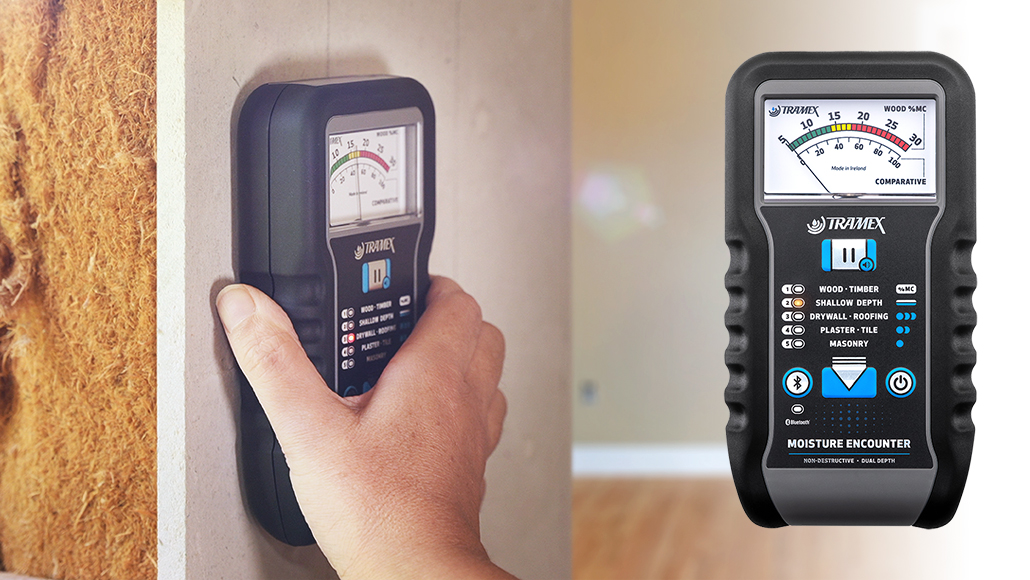
Moisture meters and thermal imaging help locate hidden damp areas.
Without proper mapping, drying equipment may miss critical zones.
Step 2: Correcting the AC Issue
Structural drying cannot succeed if condensation continues.
Repairs may include:
- Clearing clogged condensate lines
- Replacing drain pans
- Adjusting pipe slope
- Servicing evaporator coils
- Improving insulation around ducts
Stopping the source is essential before drying begins.
Step 3: Strategic Equipment Placement
Structural dryouts typically involve:
- High-capacity commercial dehumidifiers
- Industrial air movers (air blowers)
- Controlled airflow positioning
Air movers increase evaporation from damp surfaces. Dehumidifiers remove moisture from the air to prevent it from resettling elsewhere.
Placement is critical. Equipment must target affected materials directly rather than simply circulating air in open space.
Step 4: Humidity Control and Monitoring
Palm Bay’s naturally high humidity complicates drying.
Indoor relative humidity should be reduced to between 40% and 55% during the process.
Technicians monitor:
- Moisture readings inside walls
- Subfloor stabilization
- Attic humidity
- Overall air balance
Removing equipment too early allows moisture to remain trapped inside materials.
Hidden Areas Often Affected by AC Condensation
When condensation becomes a problem, moisture frequently spreads into areas homeowners rarely inspect.
Behind HVAC Closets
Air handler units often sit inside enclosed spaces where airflow is limited.
Ceiling Cavities
In homes with attic units, water may drip onto insulation above ceiling drywall.
Subfloors Beneath Laminate
Moisture seeps beneath flooring and remains trapped.
Interior Wall Framing
Drain lines running through walls can leak at connection points.
Structural drying must address these hidden zones to prevent future mold growth.
Why DIY Drying Falls Short
Property owners sometimes attempt to use household fans or portable dehumidifiers after discovering condensation leaks.
While helpful for surface moisture, these tools often lack the capacity to dry internal building components.
DIY limitations include:
- Insufficient airflow
- No internal moisture measurement
- No humidity monitoring
- Inability to access wall cavities
Without professional-grade equipment and monitoring, hidden moisture may remain even when surfaces appear dry.
The Risks of Skipping Structural Dryouts
If structural drying is not performed properly, several long-term issues may develop:
- Mold growth inside walls
- Persistent musty odors
- Warped flooring
- Ceiling sagging
- Insulation breakdown
- Repeated tenant complaints in rental properties
- Increased repair costs later
In Palm Bay’s climate, moisture rarely resolves on its own.
Early intervention reduces long-term expenses.
Why Palm Bay’s Climate Requires Careful Drying
Palm Bay homes face:
- High baseline humidity
- Frequent afternoon storms
- Elevated groundwater levels
- Coastal air corrosion
- Rapid mold development in warm temperatures
Drying strategies that work in dry inland climates do not apply here.
Professionals familiar with Brevard County conditions understand how to balance airflow, dehumidification, and structural stabilization effectively.
Companies like Inspections and More FL apply Florida-specific drying techniques that account for coastal humidity patterns.
Preventing Future Condensation Problems
Property owners in Palm Bay can reduce the likelihood of repeat issues by:
- Flushing condensate drain lines quarterly
- Installing float switches on overflow pans
- Scheduling annual HVAC inspections
- Monitoring indoor humidity
- Ensuring proper attic ventilation
- Checking air handler closets regularly
Preventive maintenance significantly reduces structural drying needs.
A Practical Next Step
If your Palm Bay property has experienced AC condensation problems — especially if indoor air feels damp or musty — a professional moisture evaluation can determine whether structural dryouts are necessary.
Drying the structure properly protects drywall, framing, flooring systems, and indoor air quality. Addressing moisture early ensures small condensation issues don’t become larger structural concerns.
In Florida’s humid climate, structural dryouts aren’t just about removing water — they’re about protecting the long-term stability of your property.
