
How Air Scrubbing Protects Properties in Sanford Inside Attic Spaces
 In Sanford, attic spaces take a beating.
Between the heat, humidity, afternoon storms, and long cooling seasons, your attic becomes one of the most vulnerable parts of your home. Most homeowners rarely go up there unless something leaks — and by the time they do, moisture and airborne contamination may already be present.
When mold develops in an attic or when heavy humidity lingers after a storm, air scrubbing becomes a critical part of protecting the property. It’s not just about cleaning visible surfaces. It’s about cleaning the air itself.
Let’s walk through why air scrubbing matters in Sanford attics, how it works, and when it becomes necessary.
What Air Scrubbing Actually Is
Air scrubbing involves using a professional-grade filtration machine — typically equipped with HEPA filtration — to remove airborne particles from a contained space.
In attic environments, air scrubbers:
- Capture airborne mold spores
- Filter fine dust particles
- Reduce microbial spread
- Improve indoor air quality
- Create negative air pressure when needed
The machine pulls contaminated air through multiple filtration stages and releases cleaned air back into the space.
Air scrubbing doesn’t replace mold removal. It supports it. It protects the rest of the home during and after remediation.
Why Sanford Attics Are Especially Vulnerable
Sanford’s climate creates ideal conditions for attic moisture problems.
High Central Florida Humidity
Sanford sits near Lake Monroe and experiences extended periods of high humidity. Even without direct water intrusion, attic air often remains damp.
Extreme Heat
Attics in Sanford easily exceed 120°F in summer. When humid air enters through vents, that combination of heat and moisture creates prime conditions for microbial growth.
Storm-Driven Rain
Wind-driven rain during tropical systems can enter through ridge vents, soffits, or minor roof gaps. Insulation absorbs moisture quickly.
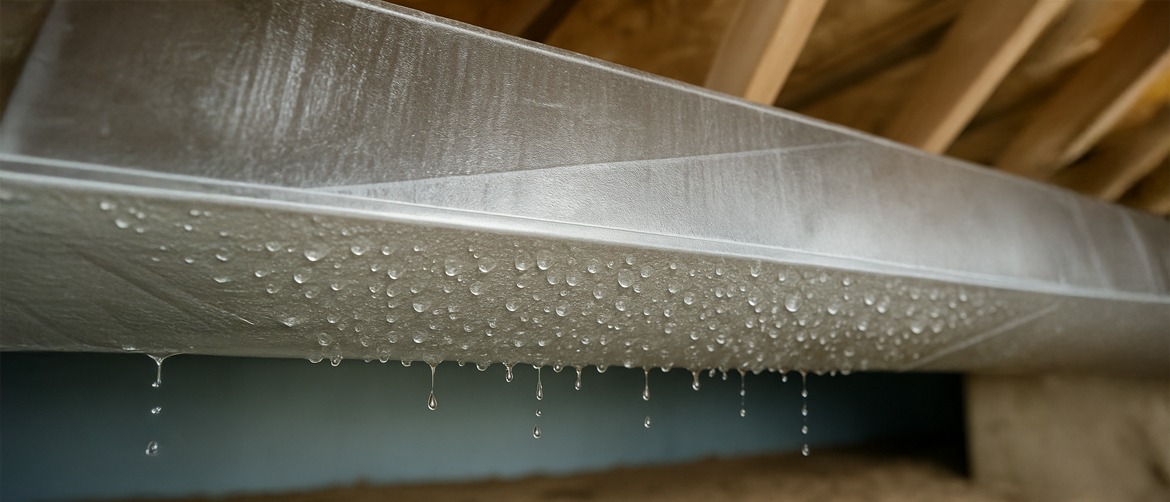
AC Duct Condensation
Cold ductwork running through a hot attic sweats. That condensation drips onto insulation and wood framing.
Poor Ventilation
Older Sanford homes sometimes lack balanced intake and exhaust ventilation, trapping humid air inside the attic space.
All of these factors increase the likelihood of airborne contamination in attic areas.
How Mold and Airborne Contaminants Spread From the Attic
Many homeowners assume attic mold stays in the attic. Unfortunately, that’s not how airflow works.
Air moves continuously through your home.
Here’s how attic contamination spreads:
- HVAC systems pull air through return ducts
- Gaps in ceiling fixtures allow air transfer
- Stack effect pulls attic air downward
- Leaky ductwork circulates attic air
If mold spores become airborne in the attic, they don’t stay there. They travel.
That’s why controlling airborne particles is so important during attic remediation.
When Air Scrubbing Becomes Necessary
Air scrubbing is typically used in Sanford attics during:
- Active mold removal
- After storm-related water intrusion
- During insulation removal
- When visible mold is disturbed
- When musty odors persist
It’s especially important when remediation requires disturbing contaminated materials. As materials are removed, spores become airborne.
Air scrubbers reduce cross-contamination to living spaces below.
Common Signs Attic Air Quality Is Affected
Homeowners in Sanford may notice:
- Musty odors throughout the home
- Allergic-type reactions indoors
- Visible attic mold during inspection
- Damp or compacted insulation
- Ceiling staining
- Elevated indoor humidity
Sometimes there’s no visible mold in living areas, but attic contamination affects overall air quality.
That’s often when air scrubbing becomes part of the solution.
How the Air Scrubbing Process Works in Attic Spaces
Proper air scrubbing in an attic environment follows a structured process.
Step 1: Containment
If necessary, attic access points are sealed off to isolate the space.
Step 2: HEPA Filtration Setup
Commercial air scrubbers are placed strategically inside the attic or connected via ducting.
Step 3: Negative Air Pressure (If Required)
Creating negative pressure prevents contaminated air from escaping into living areas.
Step 4: Continuous Filtration
Air scrubbers run continuously during remediation to capture airborne spores.
Step 5: Post-Remediation Operation
Units may continue running after cleaning to stabilize air quality.
This process significantly reduces airborne contamination during attic mold removal.
Why Regular Fans or Household Purifiers Don’t Work
Homeowners sometimes try to use:
- Box fans
- Household air purifiers
- Open attic ventilation
These approaches fall short because:
- Standard filters don’t capture microscopic spores
- Fans can spread contamination
- Attic ventilation doesn’t remove airborne particles effectively
- Negative pressure cannot be created without proper equipment
HEPA air scrubbers are specifically designed to capture extremely small particles that household systems cannot.
Air Scrubbing as Part of a Complete Remediation Plan
Air scrubbing alone does not remove mold from surfaces.
It works alongside:
- Physical mold removal
- Insulation replacement
- Structural drying
- Moisture correction
- Anti-microbial treatment
- Ventilation improvement
In Sanford homes, addressing attic humidity is just as important as removing contamination.
Without correcting ventilation or condensation issues, mold may return.
Preventing Attic Mold in Sanford Homes
Sanford homeowners can reduce attic moisture risk by:
- Improving ridge and soffit ventilation
- Sealing duct connections
- Insulating ductwork properly
- Monitoring attic humidity
- Inspecting after major storms
- Repairing roof leaks immediately
- Installing radiant barriers where appropriate
- Scheduling periodic attic inspections
Prevention reduces the need for large-scale remediation.
Why Local Experience Matters in Sanford
Sanford homes differ from coastal Brevard County properties, but humidity challenges remain significant.
Local experience matters because professionals understand:
- Lake Monroe moisture patterns
- Central Florida storm cycles
- Attic ventilation flaws in older builds
- Common AC duct sweating issues
- Seasonal humidity fluctuations
Working in Sanford, Melbourne, Palm Bay, Merritt Island, and Cocoa provides regional insight into how attic contamination behaves in Florida’s climate.
Inspections and More FL approaches attic air scrubbing as a protective measure within a complete moisture control strategy — not as a standalone solution.
A Calm, Practical Next Step
If you’ve discovered mold in your attic, noticed persistent musty odors, or experienced storm-related water intrusion in your Sanford home, it’s worth evaluating attic air quality.
Air scrubbing protects your home during remediation. It limits airborne spread and stabilizes indoor air.
Attic spaces may be out of sight, but they influence the entire home environment.
With proper containment, filtration, and moisture correction, your attic can return to a dry, stable condition — and your indoor air can remain clean and balanced.
