
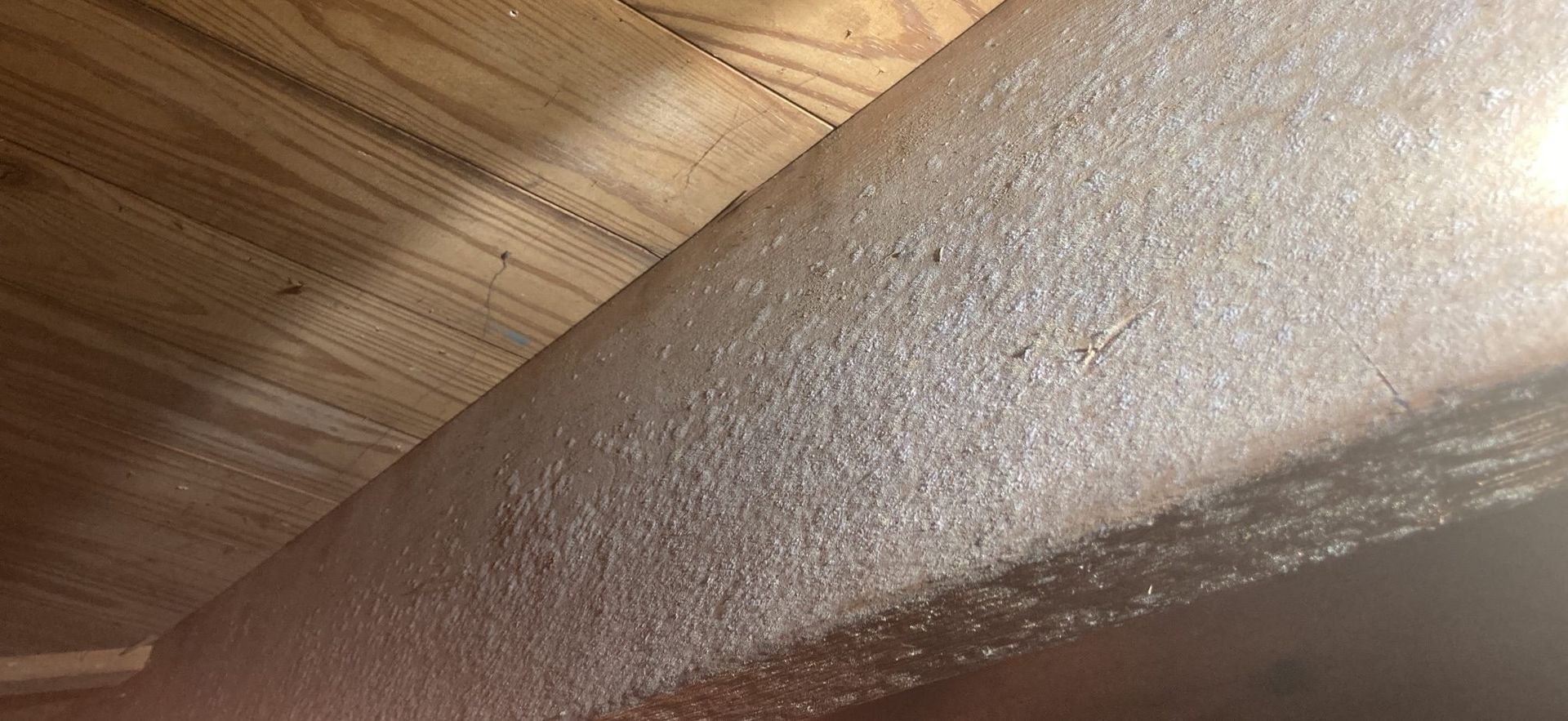
Understanding Mold Encapsulation Challenges in Cocoa in Crawl Spaces
Crawl spaces in Cocoa homes are easy to forget about — until they become a problem. Out of sight often means out of mind. But in Florida’s humid, coastal climate, crawl spaces can quickly become one of the most vulnerable areas of a property.
When mold develops in a crawl space, one potential solution is mold encapsulation. While encapsulation can be highly effective when done properly, it also comes with specific challenges — especially in Cocoa’s unique environmental conditions.
If you own a home with a crawl space in Cocoa, understanding these challenges helps you make smarter decisions about long-term protection.
What Mold Encapsulation Is
Mold encapsulation is a controlled remediation step where a specialized coating or sealant is applied to cleaned structural surfaces. The purpose is to seal in residual staining and microscopic particles after proper mold removal and moisture correction.
Encapsulation is not:
- A substitute for mold removal
- A way to “paint over” active growth
- A shortcut to avoid fixing moisture problems
It is a finishing step used after contaminated materials have been cleaned and dried properly.
In crawl spaces, encapsulation often involves treating:
- Wood floor joists
- Subflooring
- Support beams
- Foundation walls
But before encapsulation happens, underlying conditions must be addressed.
Why Crawl Spaces in Cocoa Are So Vulnerable
Cocoa’s coastal climate creates ideal conditions for crawl space moisture issues.
Persistent Humidity
Outdoor humidity levels in Cocoa stay elevated most of the year. That moisture easily enters crawl spaces through vents and open soil.
High Water Tables
In many coastal areas, groundwater sits close to the surface. After heavy rains, moisture rises into crawl spaces through soil evaporation.
Storm and Rain Events
Frequent storms saturate the ground. Even if the home itself doesn’t flood, the crawl space often absorbs excess ground moisture.
Ventilated Crawl Spaces
Older Florida homes commonly have vented crawl spaces. While originally intended to promote airflow, these vents often introduce more humid air than they remove.
Salt Air Exposure
Coastal air carries salt, which accelerates material breakdown over time and increases vulnerability to moisture absorption.
Because of these factors, mold growth in crawl spaces is common in Cocoa.
Common Signs Property Owners Notice
Crawl space problems rarely stay confined below the house.
Homeowners may notice:
- Musty odors inside the home
- Warped hardwood flooring
- Increased indoor humidity
- Allergy-like symptoms indoors
- Sagging floor areas
- Visible growth on floor joists during inspection
Often, the smell inside the home is the first warning sign.
The Biggest Mold Encapsulation Challenges
Encapsulation can be effective — but only if specific challenges are handled properly.
Moisture Must Be Fully Controlled First
Encapsulating surfaces without fixing moisture sources is one of the biggest mistakes. If humidity remains high, mold can return beneath or around the coating.
In Cocoa crawl spaces, this means:
- Addressing ground moisture
- Installing vapor barriers if needed
- Improving drainage
- Considering dehumidification
Encapsulation should never be the first step.
Proper Cleaning Is Critical
Encapsulation is not applied over active mold. Surfaces must be thoroughly cleaned and dried before sealing.
If contamination remains embedded in wood fibers, improper encapsulation traps moisture rather than stabilizing the environment.
Crawl Space Access Limitations
Tight crawl spaces make thorough cleaning and coating application challenging. Proper equipment and lighting are essential.
Ventilation vs. Sealing Decisions
Some crawl spaces benefit from encapsulation combined with sealing and controlled dehumidification. Others may require structural ventilation improvements.
Determining the right approach requires evaluation specific to Cocoa’s humidity levels.
Slab vs. Pier Construction Differences
Not all crawl spaces are the same. Construction style influences how moisture behaves beneath the home.
Local experience matters when assessing these variations.
Why DIY Encapsulation Usually Fails
Homeowners sometimes attempt to handle crawl space mold independently.
Common mistakes include:
- Spraying bleach without moisture correction
- Applying sealants over damp wood
- Ignoring ground moisture
- Skipping proper cleaning steps
- Failing to monitor humidity afterward
Without moisture control, encapsulation becomes temporary at best.
Florida’s climate is unforgiving when shortcuts are taken.
Professional Inspection & Detection Explained
Before recommending encapsulation, a professional evaluation includes:
Visual Crawl Space Inspection
Checking for visible growth, moisture staining, and wood deterioration.
Moisture Meter Testing
Measuring moisture levels in wood framing and subfloor materials.
Humidity Monitoring
Determining whether environmental conditions support mold growth.
Assessment of Drainage and Soil Conditions
Identifying water entry points or pooling beneath the home.
Air Quality Evaluation (If Needed)
Ensuring airborne particles from the crawl space aren’t affecting indoor air.
Companies like Inspections and More FL approach Cocoa crawl spaces with a coastal understanding. Baseline humidity is already high here, so accurate interpretation is essential.
Proper Mold Encapsulation Process
When encapsulation is appropriate, the process typically includes:
Moisture Source Correction
Drainage improvements, vapor barrier installation, or dehumidification setup.
Removal of Heavily Contaminated Materials
Compromised insulation or damaged wood may require replacement.
Surface Cleaning
Thorough cleaning of affected framing and structural components.
Drying and Stabilization
Ensuring moisture levels are within acceptable ranges before coating.
Encapsulation Application
Applying specialized sealant to cleaned structural surfaces.
Post-Application Monitoring
Verifying humidity levels remain controlled over time.
Encapsulation works best as part of a complete crawl space management plan — not as a standalone fix.
Long-Term Prevention for Cocoa Crawl Spaces
Maintaining a dry crawl space in Cocoa requires ongoing attention.
- Install ground vapor barriers
- Improve exterior drainage
- Seal crawl space vents if appropriate
- Use crawl space dehumidifiers
- Monitor humidity levels regularly
- Schedule routine inspections
Preventive care reduces the likelihood of recurring mold issues.
Why Local Florida Experience Matters
Crawl space conditions in Cocoa differ significantly from drier climates.
Local professionals understand:
- How coastal humidity impacts subfloor systems
- How high water tables influence crawl space moisture
- Which encapsulation methods work best in Florida
- How to balance ventilation and sealing strategies
Inspections and More FL works with these environmental factors regularly, helping homeowners choose appropriate solutions based on real-world coastal conditions.
A Practical and Informed Approach
Mold encapsulation in Cocoa crawl spaces can be highly effective when applied correctly. But it must follow proper moisture correction and professional cleaning.
Understanding the challenges helps property owners avoid temporary fixes and focus on long-term stability.
In Florida’s coastal climate, crawl space protection is not optional. Managing moisture below the home protects everything above it.
