
How Thermal Imaging Inspections Protect Properties in Melbourne After Heavy Rainstorms
Heavy rainstorms are a normal part of life in Melbourne. Between summer thunderstorm cycles, tropical systems, and days of steady coastal rain, homes are regularly exposed to intense moisture. While most properties are built to handle Florida weather, even well-maintained homes can develop hidden water intrusion after severe rainfall.
The challenge isn’t always the obvious ceiling leak or puddle on the floor. The real concern often lies behind walls, under flooring, and inside ceiling cavities where moisture quietly lingers. This is where thermal imaging inspections become one of the most valuable protective tools available to Melbourne property owners.
Rather than guessing where water traveled, thermal imaging allows professionals to locate hidden moisture early — before it turns into structural damage.
What the Issue Is
After a heavy rainstorm, water can enter a home through small and often unnoticed points such as:
- Window seals
- Roof flashing
- Exterior wall cracks
- Sliding door tracks
- Attic vents
- Foundation transitions
Once inside, water doesn’t stay in one spot. It spreads. It follows gravity. It absorbs into drywall and insulation. And in Florida’s humid climate, it doesn’t dry as quickly as homeowners expect.
Thermal imaging inspections use infrared technology to detect temperature differences within building materials. Wet areas typically cool at a different rate than dry materials, creating detectable thermal patterns. While infrared cameras do not “see” water directly, they identify suspicious areas that can then be confirmed with moisture meters.
This process allows for non-invasive detection without tearing open walls unnecessarily.
Why This Happens So Often in Melbourne
Melbourne’s coastal location increases the likelihood of hidden post-storm moisture issues.
Intense Rainfall Events
Florida storms can release large amounts of rain in short periods. Even minor drainage weaknesses become overwhelmed quickly.
Wind-Driven Rain
High winds push rain sideways, forcing moisture into areas that normally stay dry.
Persistent Humidity
After storms pass, humidity remains high. Materials that absorbed water dry slowly, especially in enclosed wall cavities.
Slab Foundation Construction
Many Melbourne homes are built on slabs. When water enters at ground level, it migrates upward into lower wall cavities and flooring edges.
Aging Exterior Components
Sealants, flashing, and caulking degrade over time, allowing small but significant water entry during heavy rain.
Because of these conditions, moisture intrusion after storms is common — even in homes that appear undamaged.
Common Signs Property Owners Notice
Sometimes there are clear warning signs. Other times, there are none.
Visible signs may include:
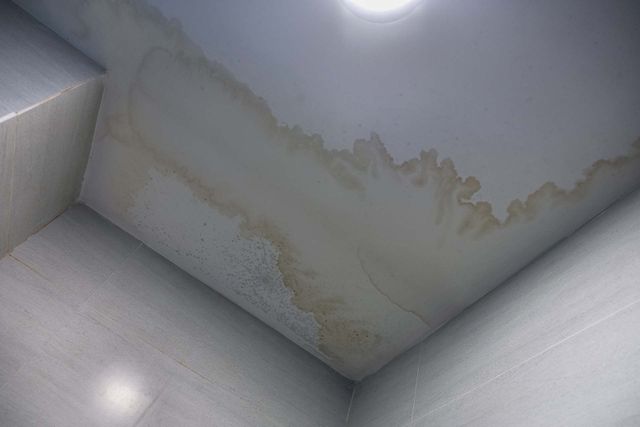
- Ceiling staining
- Bubbling paint
- Swollen baseboards
- Musty odors
- Damp drywall near windows
- Flooring that feels slightly raised
However, many Melbourne homeowners report no visible signs immediately after a storm. Weeks later, odors or discoloration begin to appear.
Thermal imaging helps bridge that gap between “looks fine” and “actually dry.”
Hidden or Overlooked Moisture Sources
Heavy rain often introduces moisture into areas that are difficult to inspect visually.
Behind Exterior Walls
Water entering through window frames or siding travels downward inside cavities.
Inside Attic Spaces
Wind-driven rain may enter through soffits or roof penetrations.
Around Chimneys and Flashing
Small flashing gaps allow water to seep in gradually.
Beneath Flooring Near Doors
Sliding doors are common water entry points during storms.
Inside Insulation
Wet insulation may not show surface damage but can hold moisture for extended periods.
Without thermal imaging, these hidden areas remain undetected until structural damage develops.
Why DIY Inspections Often Miss the Problem
After a heavy rainstorm, homeowners often perform a visual walk-through. If nothing appears damaged, they assume the home is fine.
The limitation of this approach is simple: moisture doesn’t always show itself immediately.
Common challenges include:
- Stains may take days or weeks to appear
- Humidity can mask subtle dampness
- Moisture may remain hidden behind paint
- Surface dryness doesn’t mean structural dryness
Without infrared equipment and moisture verification tools, it’s nearly impossible to confirm complete drying.
Professional Thermal Imaging Inspection Process
A proper post-storm thermal imaging inspection in Melbourne includes several steps.
Exterior Evaluation
Professionals identify likely entry points such as roof edges, windows, and door frames.
Infrared Scanning
Interior walls, ceilings, and floors are scanned systematically for temperature irregularities.
Moisture Meter Confirmation
Any suspicious thermal pattern is tested with professional moisture meters to confirm elevated moisture levels.
Humidity Assessment
Indoor air conditions are evaluated to determine whether environmental moisture is contributing to ongoing dampness.
Documentation
Findings are documented clearly, providing homeowners with actionable information.
Professionals like Inspections and More FL understand how coastal humidity influences infrared readings. Interpreting results correctly requires Florida-specific experience.
How Thermal Imaging Protects Your Property
Thermal imaging inspections provide several long-term benefits.
Early Detection Prevents Larger Repairs
Identifying hidden moisture early prevents drywall deterioration and structural weakening.
Targeted Drying Reduces Unnecessary Demolition
Instead of opening multiple walls, drying equipment can be placed precisely where needed.
Mold Prevention
Removing hidden moisture quickly reduces the likelihood of microbial growth.
Structural Preservation
Dry framing and insulation maintain their integrity longer.
Insurance Documentation Support
Early inspection provides records that can support insurance claims if needed.
In Melbourne’s climate, prevention through early detection often saves substantial repair costs.
What Happens If Moisture Is Detected
If elevated moisture levels are found, the next steps may include:
- Controlled structural drying
- Air mover placement
- Dehumidification
- Limited material removal if necessary
- Air scrubbing to maintain indoor air stability
- Continued moisture monitoring
Drying continues until materials return to acceptable moisture levels.
The key is acting before moisture remains trapped long enough to cause secondary damage.
Preventive Strategies After Heavy Rain
Homeowners in Melbourne can reduce risk by:
- Inspecting window and door seals annually
- Maintaining roof flashing
- Cleaning gutters and ensuring proper drainage
- Monitoring indoor humidity levels
- Scheduling inspections after major storms
- Addressing minor leaks immediately
Proactive attention limits the need for extensive remediation later.
Why Local Experience Matters
Thermal imaging in humid coastal environments requires careful interpretation. High ambient humidity can influence surface temperatures, making experience critical.
Local professionals understand:
- How storm patterns affect Melbourne properties
- How slab foundations respond to moisture
- Where hidden water typically migrates
- How to differentiate normal temperature variation from moisture intrusion
Inspections and More FL works with Melbourne’s environmental conditions regularly, offering practical, informed inspections tailored to Florida homes.
A Practical Step After the Storm
After heavy rainstorms in Melbourne, visible damage isn’t the only concern. Hidden moisture can linger silently, affecting the home’s structure over time.
Thermal imaging inspections provide clarity. They confirm whether your property is truly dry and allow corrective action before minor moisture becomes a major repair.
In Florida’s coastal climate, protecting what’s behind the walls is one of the smartest steps a property owner can take.
