
Structural Dryouts in Melbourne After Flooding Events: Lessons Learned From Local Cases
Flooding events in Melbourne aren’t rare. Between tropical systems, stalled summer storms, and coastal surge events, Brevard County properties face repeated water exposure risks every year.
When floodwater enters a home — whether from storm surge, roof failure, plumbing rupture, or ground saturation — the visible water is only the beginning. What truly determines long-term damage isn’t how fast the water is removed.
It’s how well the structural dryout is handled afterward.
Over time, local cases in Melbourne have revealed consistent lessons about what works, what fails, and why proper structural drying is critical in Florida’s humid climate.
Let’s break it down.
What a Structural Dryout Actually Means
A structural dryout goes far beyond mopping up water.
It involves controlled drying of:
- Wall cavities
- Subfloor materials
- Concrete slabs
- Framing studs
- Insulation
- Ceiling spaces
- HVAC systems
Floodwater doesn’t just soak surfaces. It penetrates porous materials quickly. Even after visible water is extracted, moisture remains deep inside building components.
Without proper drying, that trapped moisture leads to:
- Mold growth
- Wood rot
- Warping
- Structural weakening
- Persistent odor issues
Structural dryouts focus on restoring materials to safe moisture levels — not just making them look dry.
Lesson 1: Speed Matters — But So Does Precision
In Melbourne flood cases, rapid response makes a significant difference.
However, rushing without proper evaluation often leads to incomplete drying.
Successful dryouts begin with:
- Immediate water extraction
- Professional moisture mapping
- Identification of all affected areas
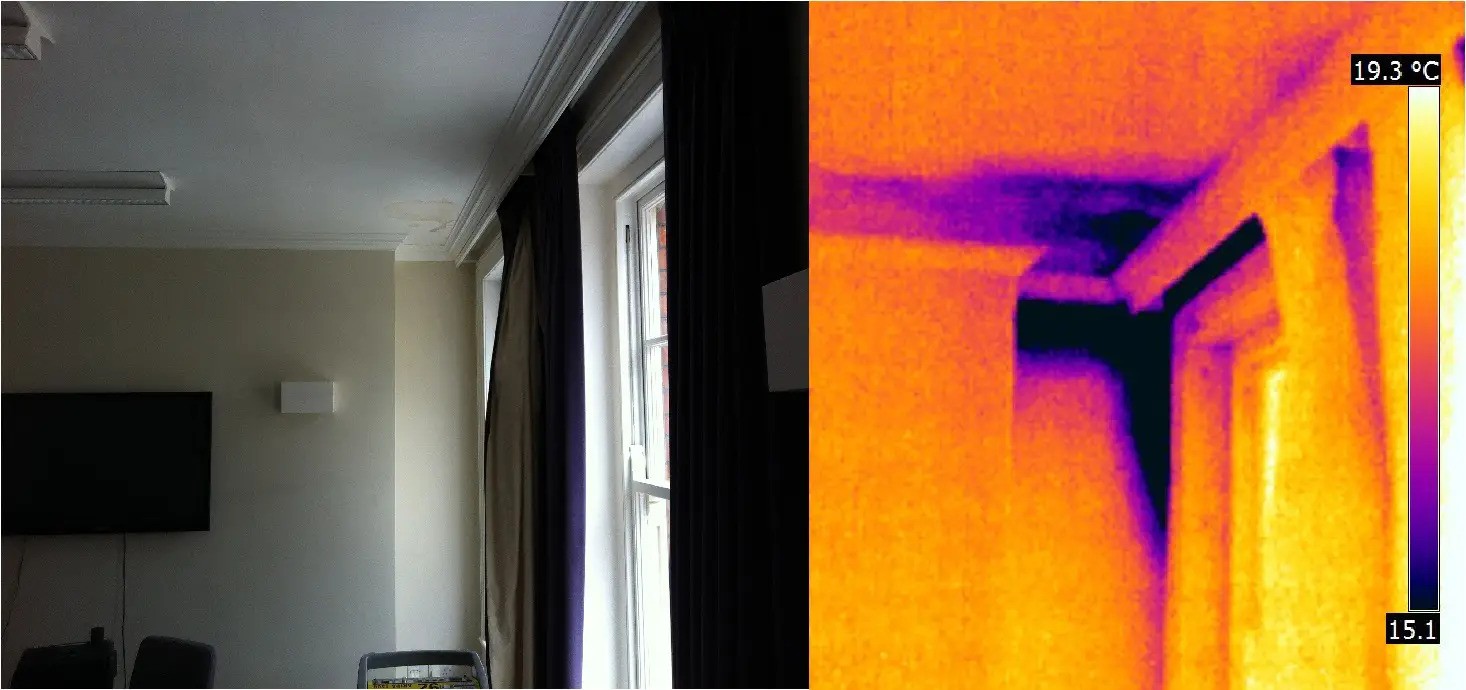
Thermal imaging and moisture meters help determine how far water migrated.
In several local cases, water traveled farther under flooring and behind drywall than homeowners initially realized.
Floodwater spreads silently.
Lesson 2: Florida Humidity Slows Natural Drying
Melbourne’s climate presents a major challenge: high ambient humidity.
Even after a flood recedes, outdoor humidity may exceed 80%. Opening windows or relying on natural airflow rarely works.
In fact, outside air often introduces more moisture.
Professional dryouts rely on:
- High-capacity dehumidifiers
- Air movers positioned strategically
- Controlled airflow patterns
- Continuous humidity monitoring
Mechanical drying removes moisture faster than Florida’s climate allows on its own.
Lesson 3: Slab Foundations Hold Moisture Longer Than Expected
Most Melbourne homes sit on concrete slabs.
Concrete absorbs floodwater quickly. Even after surface drying, moisture remains deep inside the slab.
In several flood cases, moisture readings remained elevated for days after visible water disappeared.
If flooring is reinstalled too soon, moisture becomes trapped beneath tile, laminate, or hardwood.
That often leads to recurring mold issues weeks later.
Proper slab drying takes patience and monitoring.
Lesson 4: Insulation Often Requires Removal
Floodwater saturates insulation inside walls and attics.
Wet insulation:
- Loses thermal performance
- Holds moisture
- Encourages mold growth
- Creates odor problems
In Melbourne cases, attempting to dry saturated insulation rarely succeeds.
Removing compromised insulation allows proper airflow and structural drying.
Skipping this step increases long-term risk.
Lesson 5: Air Movement Placement Is Critical
Air movers — often called air blowers — are not randomly placed.
Improper placement:
- Creates dead zones
- Slows evaporation
- Leaves pockets of moisture
Successful dryouts involve:
- Angled airflow across wet surfaces
- Cross-ventilation patterns
- Coordination with dehumidifiers
Monitoring moisture daily ensures drying progresses properly.
Lesson 6: HVAC Systems Must Be Evaluated
Flood events can affect HVAC systems in several ways:
- Duct contamination
- Air handler exposure
- Drain line clogs
- Mold inside duct insulation
If HVAC systems are restarted without inspection, contamination can circulate throughout the home.
In multiple Melbourne flood cases, air scrubbing and HVAC cleaning were necessary components of recovery.
Lesson 7: Mold Can Begin Within 24–48 Hours
In Florida’s warm climate, mold growth begins quickly.
Even minor delays in structural drying increase risk.
Floodwater often contains contaminants, especially after storm surge events. This requires careful remediation procedures.
Drying and mold prevention must work together.
The Proper Structural Dryout Process
A thorough dryout in Melbourne typically includes:
Step 1: Water Extraction
Removing standing water immediately.
Step 2: Moisture Mapping
Using thermal imaging and moisture meters to assess spread.
Step 3: Controlled Demolition (If Necessary)
Removing damaged drywall or insulation to expose wet framing.
Step 4: Air Mover Installation
Strategically positioning blowers to accelerate evaporation.
Step 5: Dehumidification
Using commercial units to remove airborne moisture.
Step 6: Monitoring
Recording moisture readings daily.
Step 7: Final Verification
Confirming safe moisture levels before reconstruction.
Inspections and More FL emphasizes accurate detection and monitored drying — not guesswork.
Long-Term Protection Strategies After Flooding
Once drying is complete, preventing recurrence becomes the priority.
Melbourne homeowners can:
- Improve grading around the foundation
- Install sump systems where appropriate
- Upgrade attic ventilation
- Maintain roof flashing and seals
- Install vapor barriers during renovations
- Monitor indoor humidity year-round
- Schedule post-storm evaluations
Flood recovery is only complete when moisture stability is restored.
Why Local Experience in Melbourne Matters
Flooding patterns in Melbourne differ from inland cities.
Local professionals understand:
- Coastal surge behavior
- Drainage challenges
- Slab moisture patterns
- Seasonal storm frequency
- Older construction vulnerabilities
Experience across Melbourne, Palm Bay, Merritt Island, Cocoa, and Sanford helps identify moisture spread patterns specific to Florida homes.
Structural dryouts require understanding how water behaves in this climate.
A Calm, Practical Recommendation
If your Melbourne property has experienced flooding — even minor — structural dryout should be treated as a critical phase of recovery.
Surface drying isn’t enough.
Hidden moisture leads to recurring mold, structural deterioration, and costly repairs.
With proper moisture mapping, controlled airflow, dehumidification, and monitoring, most structures can be stabilized successfully.
Flooding may be part of living in Florida. But long-term damage doesn’t have to be.
Careful structural dryouts protect your investment — and your peace of mind.
Image Generation Prompts
- Commercial air movers and dehumidifier set up inside flooded residential living room in Melbourne Florida, no people, no text, realistic lighting
- Thermal imaging scan showing moisture inside wall after flooding event in Florida home, no people, clean realistic environment
