
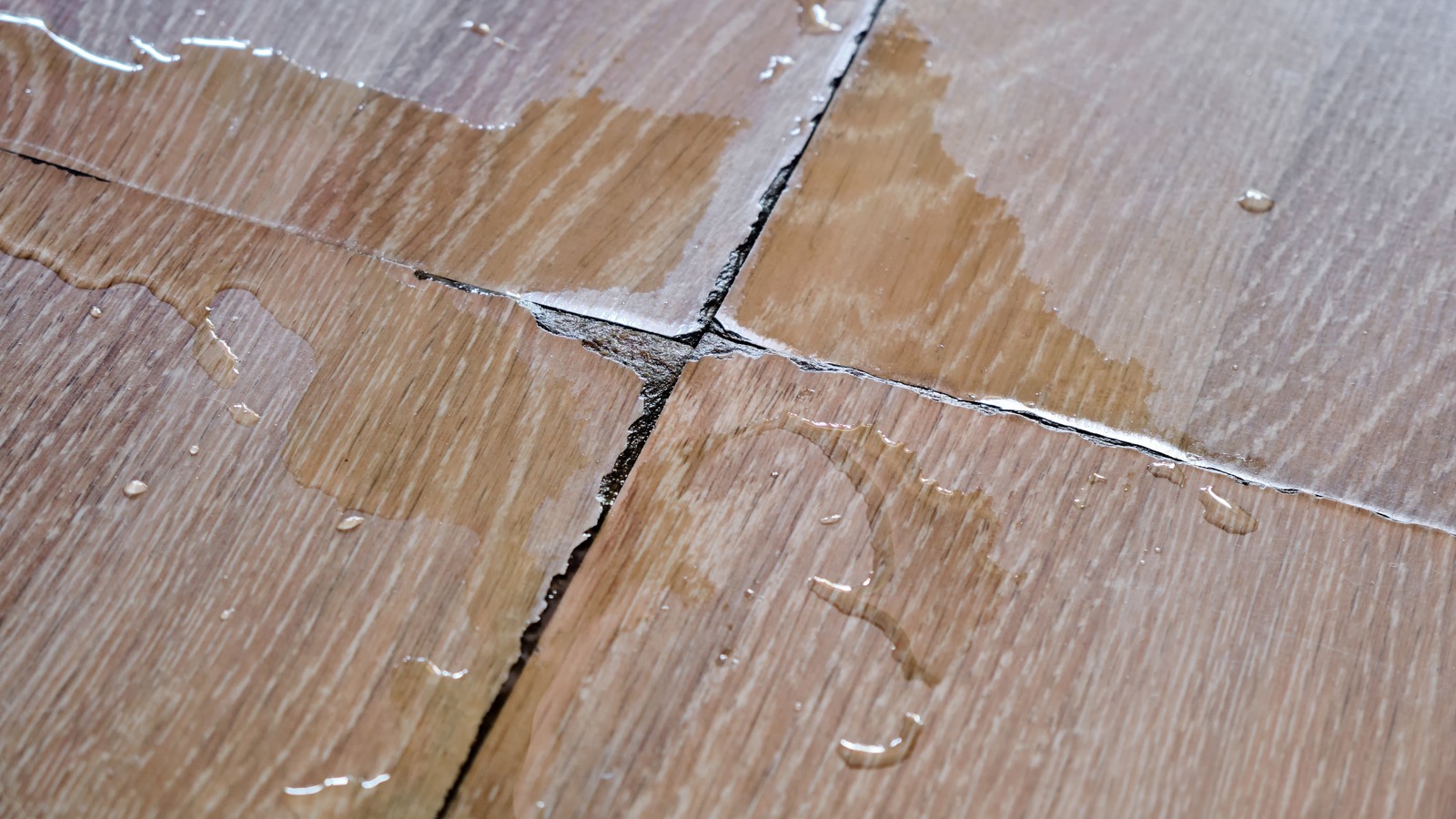
Hardwood flooring adds warmth and value to many Sanford homes. But beneath those finished planks, moisture problems can quietly develop — especially in Florida’s humid climate.
When water intrusion or long-term humidity affects the subfloor, mold growth can form out of sight. By the time homeowners notice cupping boards, musty odors, or soft spots, contamination may already be present beneath the surface.
Mold encapsulation sometimes becomes part of the solution in these situations. However, encapsulating mold under hardwood flooring presents unique challenges — especially in slab foundation homes common throughout Sanford.
Let’s take a closer look at why this issue develops and how professionals approach it properly.
Why Hardwood Flooring Is Vulnerable in Sanford
Sanford’s environment creates constant moisture pressure inside homes.
Contributing factors include:
- High ambient humidity
- Frequent summer storms
- Plumbing leaks
- Slab foundations over high groundwater
- AC condensation issues
- Poor ventilation
Hardwood is naturally porous. It expands and contracts with changes in moisture levels. When humidity remains elevated or water intrusion occurs, moisture can seep beneath flooring and into the subfloor.
If the subfloor remains damp for more than 24–48 hours, mold growth can begin.
Because hardwood planks sit tightly together, airflow underneath is limited. That creates an enclosed, humid space — ideal for microbial development.
Common Signs of Mold Beneath Hardwood Floors
Homeowners in Sanford often notice indirect warning signs first.
These may include:
- Cupping or crowning of boards
- Warped or uneven flooring
- Musty odors that persist
- Dark staining along seams
- Loose planks
- Increased indoor humidity
Sometimes the flooring appears intact, but odor suggests hidden moisture beneath.
At that stage, surface cleaning will not resolve the problem.
Hidden Moisture Pathways Under Hardwood
Mold under hardwood flooring often develops due to:
Plumbing leaks
Water spreads beneath flooring before becoming visible.
Appliance failures
Dishwashers and refrigerators leak slowly.
Slab vapor intrusion
Moisture migrates upward from saturated soil.
Storm intrusion
Wind-driven rain enters through walls and spreads along subfloors.
HVAC condensation
Excess humidity collects near vents.
In slab foundation homes, moisture can remain trapped between the concrete and subfloor for extended periods.
Why Mold Encapsulation Is Challenging Under Flooring
Mold encapsulation involves applying a specialized coating to clean, dry structural wood to seal residual microscopic particles.
However, encapsulation under hardwood flooring presents challenges:
Limited access
Flooring often must be removed to reach contaminated areas.
Moisture verification
Encapsulation should only occur after complete drying.
Structural assessment
Wood must remain structurally sound.
Hidden vapor pressure
Slab moisture must be stabilized to prevent recurrence.
Encapsulation is not a shortcut. It is only appropriate after remediation and environmental correction.
Applying coating over damp wood will not solve the problem — and may trap moisture further.
Professional Inspection & Detection Process
When mold beneath hardwood is suspected in Sanford homes, professionals begin with:
Moisture mapping
Using moisture meters to detect damp areas.
Thermal imaging
Identifying temperature differences that suggest hidden moisture.
Flooring evaluation
Checking for widespread expansion or soft spots.
Subfloor inspection
Removing sections if necessary to assess contamination.
Indoor humidity measurement
Determining whether environmental imbalance exists.
Only after confirming the extent of moisture and mold does a remediation plan move forward.
The Proper Remediation Approach
In Sanford homes, mold beneath hardwood flooring is typically addressed through a structured process:
- Source correction
Fix plumbing leaks or address slab vapor intrusion. - Removal of affected flooring
Damaged boards may need removal for access. - Containment
Preventing cross-contamination during removal. - Mold remediation
Cleaning or removing contaminated subfloor materials. - Structural dryouts
Using air movers and dehumidifiers to stabilize moisture content. - Moisture monitoring
Confirming wood reaches safe baseline levels. - Mold encapsulation (when appropriate)
Applying protective coating to structurally sound, dry wood. - Humidity stabilization
Installing or adjusting dehumidification systems.
Each step ensures that encapsulation supports long-term stability rather than masking an active issue.
Why Slab Foundations Complicate the Issue
Many Sanford homes sit on slab foundations.
High groundwater levels increase vapor pressure beneath concrete. If vapor barriers are compromised or older construction lacks adequate moisture protection, moisture can migrate upward into flooring systems.
In these cases, long-term dehumidification or slab moisture mitigation may be required before new flooring is installed.
Ignoring slab moisture will lead to recurring problems — even after encapsulation.
Preventing Future Hardwood Mold Problems
Homeowners in Sanford can reduce risk by:
- Monitoring indoor humidity levels
- Addressing plumbing leaks immediately
- Installing leak detection devices
- Ensuring proper slab vapor barriers
- Maintaining HVAC systems
- Scheduling post-storm inspections
- Considering whole-home dehumidification
Preventive moisture control is the most effective long-term strategy.
Why Local Experience Matters
Moisture behavior in Sanford differs from drier regions.
High humidity, warm temperatures, and slab construction require specific remediation approaches.
Professionals familiar with local conditions understand:
- How groundwater influences slab moisture
- How humidity affects hardwood expansion
- How to interpret moisture readings in Florida climates
- When encapsulation is appropriate — and when it isn’t
Inspections and More FL works with Sanford homeowners and property managers to address hidden mold beneath flooring methodically — focusing on moisture correction before recommending encapsulation.
When to Schedule an Evaluation
If your hardwood floors show signs of warping, persistent odors, or moisture-related changes, it’s important to assess conditions beneath the surface.
Encapsulation may be part of the solution — but only after proper remediation and drying.
In Sanford’s humid climate, mold under hardwood flooring is not uncommon.
What determines the outcome is how thoroughly the moisture source is addressed.
Hardwood can be restored or replaced.
But the structure beneath it must be dry, stable, and properly treated to ensure long-term protection.
