
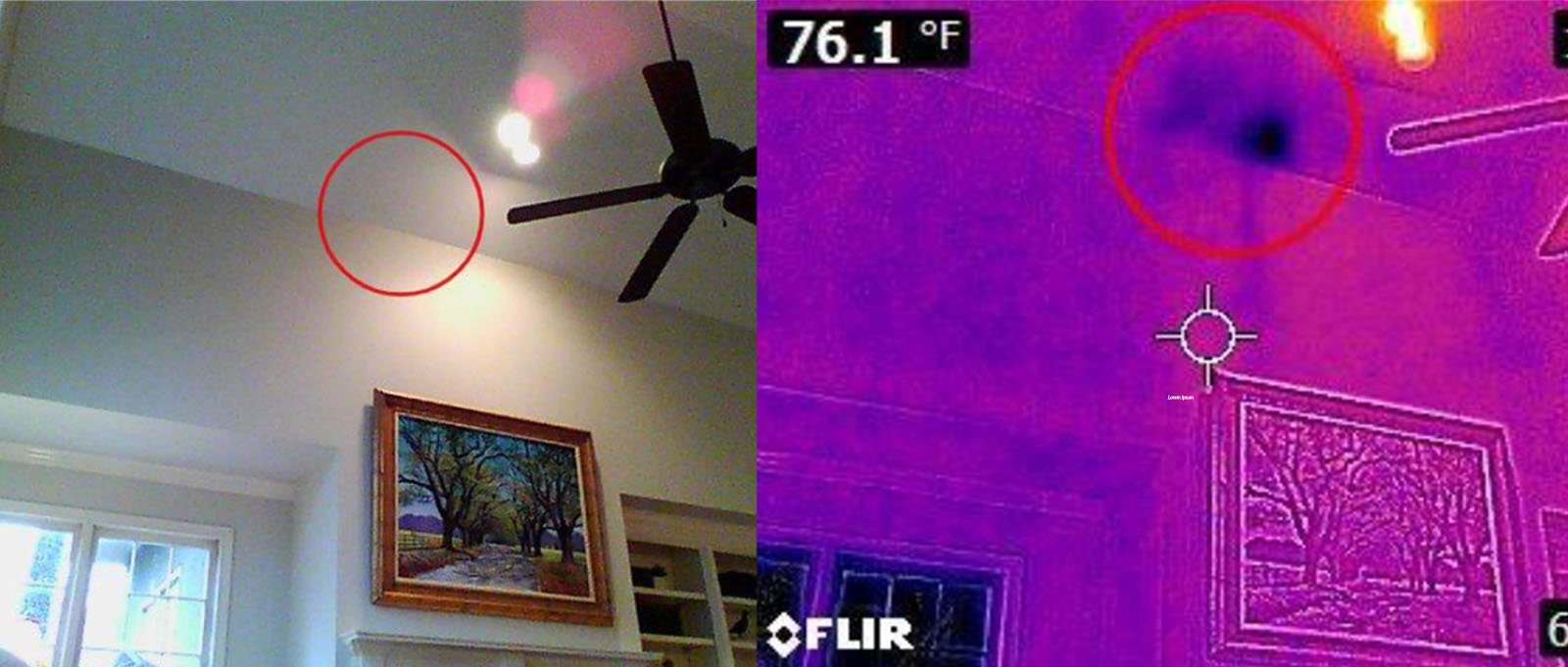
Extreme humidity in Cocoa isn’t unusual — it’s expected.
From late spring through early fall, moisture levels stay elevated for weeks at a time. Add afternoon storms, coastal air exposure, and high groundwater, and homes can absorb humidity even without visible flooding.
When water intrusion does happen — whether from plumbing leaks, roof failures, or storm-driven rain — structural dryouts become more challenging in this climate.
Let’s break down what structural dryouts really mean, why they’re more complicated in Cocoa’s humid environment, and what homeowners should realistically expect during the process.
What “Structural Dryout” Actually Means
A structural dryout is the controlled removal of moisture from building materials after a water event.
It goes beyond removing standing water.
It focuses on drying:
- Drywall
- Wood framing
- Subflooring
- Concrete slabs
- Insulation
- Baseboards and trim
In Cocoa’s extreme humidity, these materials do not dry naturally or evenly.
Even when surfaces feel dry to the touch, internal moisture may remain trapped inside porous materials.
That’s where professional drying systems come into play.
Why Extreme Humidity Slows Everything Down
Cocoa’s coastal environment keeps outdoor humidity high, often above 70% during peak months.
When humidity outside remains elevated:
- Evaporation slows
- Materials release moisture more gradually
- Drying timelines extend
- Mold growth risk increases
Opening windows after a water event may actually introduce more moisture into the home rather than help.
Humidity also affects how drywall and wood behave. Wood absorbs moisture from the air. Drywall wicks water upward. Concrete slabs allow vapor to migrate through them.
In slab foundation homes common in Cocoa, groundwater pressure beneath the slab can add additional moisture from below.
Common Scenarios That Require Structural Dryouts
Structural dryouts are commonly needed after:
- Hurricane or storm damage
- Roof leaks
- Plumbing failures
- Appliance overflows
- AC condensation issues
- Minor indoor flooding
Even small leaks behind walls can require targeted drying if moisture spreads into framing.
In extreme humidity conditions, drying must begin quickly — ideally within the first 24–48 hours.
Early action reduces long-term damage.
What Homeowners Often Notice First
In Cocoa homes, signs of incomplete drying may include:
- Persistent musty odors
- Warped baseboards
- Soft drywall
- Cupped hardwood floors
- Peeling paint
- Elevated indoor humidity
- AC running constantly
Sometimes everything looks dry, but odors linger.
That’s often a sign that moisture remains embedded in structural materials.
The Practical Dryout Process Explained
Here’s what typically happens during a structural dryout in Cocoa:
- Moisture Mapping
Professionals use moisture meters and thermal imaging to identify affected areas. This helps determine how far moisture has traveled beyond visible damage.
- Removal of Saturated Materials
Wet insulation and heavily damaged drywall may need removal. Porous materials that remain damp too long can’t always be salvaged.
- Air Blower Installation
High-velocity air movers are positioned to create directional airflow across wet surfaces. This accelerates evaporation.
- Dehumidification
Industrial-grade dehumidifiers remove moisture from the air as it evaporates from materials.
- Monitoring
Moisture levels are checked daily to track progress. Drying continues until materials return to safe baseline readings.
- Air Scrubbing (When Needed)
If contamination is present, HEPA air scrubbers help maintain air quality during the process.
Extreme humidity means equipment often runs longer than homeowners expect.
Why DIY Drying Often Fails in Cocoa
Many homeowners attempt to dry water damage with:
- Ceiling fans
- Box fans
- Small portable dehumidifiers
- Lower thermostat settings
While these may help with comfort, they rarely remove moisture embedded deep within materials.
In Cocoa’s climate:
- Fans move humid air without removing it
- Small dehumidifiers lack capacity
- Surface drying hides internal dampness
Without moisture detection tools, it’s difficult to confirm when structural components are truly dry.
Stopping too soon often leads to mold growth weeks later.
Slab Foundations and Hidden Moisture
Many Cocoa homes sit on slab foundations.
When water spreads across floors, moisture can seep into the concrete and migrate upward.
If slab moisture isn’t addressed properly, flooring materials may:
- Warp
- Bubble
- Separate
- Develop mold underneath
High groundwater levels in coastal areas can complicate drying further.
Professional moisture monitoring is essential in these cases.
How Long Does Structural Drying Take?
In dry climates, structural drying may take a few days.
In Cocoa during extreme humidity, drying timelines may extend to:
- Several days for minor events
- One to two weeks for more significant water intrusion
The goal isn’t speed — it’s stability.
Rushing the process can trap moisture inside walls and subfloors.
Preventing Long-Term Damage
Homeowners can reduce structural drying challenges by:
- Addressing leaks immediately
- Scheduling post-storm inspections
- Monitoring indoor humidity
- Maintaining roof systems
- Inspecting attic and crawl spaces
- Installing whole-home dehumidifiers when necessary
Proactive humidity control makes recovery faster when water events occur.
Why Local Experience Matters
Structural drying in Cocoa is not the same as drying in a dry inland state.
Local professionals understand:
- How coastal humidity affects evaporation
- How slab foundations interact with groundwater
- How attic heat influences condensation
- How to position equipment effectively in Florida homes
Inspections and More FL works with Cocoa homeowners and property managers to approach structural dryouts methodically — focusing on moisture stabilization first and restoration second.
When to Schedule a Dryout Evaluation
If your home recently experienced water intrusion — even a small plumbing leak — and humidity feels elevated or odors linger, it’s worth evaluating structural moisture levels.
In extreme humidity, waiting rarely improves the situation.
Structural dryouts are not about visible damage alone.
They’re about restoring balance inside the materials that support your home.
In Cocoa’s coastal climate, drying thoroughly isn’t optional.
It’s what protects your structure long term.
