
Why Structural Dryouts Become Necessary in Merritt Island Following Hurricane Damage
Hurricane damage in Merritt Island doesn’t always look dramatic from the outside. Sometimes there are no missing shingles, no shattered windows, no obvious flooding inside the living room. Yet days later, homeowners begin noticing a musty odor, slight floor warping, or subtle ceiling discoloration.
That’s because hurricane-related damage is often less about visible destruction and more about hidden moisture.
In Merritt Island’s coastal environment — where humidity stays high, salt air accelerates material wear, and water tables remain elevated — structural dryouts are frequently necessary after hurricanes to protect homes from long-term damage.
Structural drying is not just about running fans. It’s a controlled, monitored process designed to remove moisture from framing, subfloors, slabs, insulation, and other structural components. Without it, moisture can remain trapped long after the storm passes.
Let’s take a closer look at why structural dryouts are often essential following hurricane damage in Merritt Island homes.
How Hurricanes Introduce Hidden Moisture
Hurricanes bring sustained wind, sideways rain, and prolonged exposure to water. Even if a home does not experience full flooding, moisture can enter through:
- Roof flashing gaps
- Lifted shingles
- Soffit vents
- Window frame seals
- Garage doors
- Exterior wall cracks
- Foundation joints
Water does not always drip straight down. It travels along rafters, studs, and insulation. It can spread horizontally inside ceilings before settling into walls.
Because Merritt Island is surrounded by water and exposed to coastal winds, homes often experience more wind-driven intrusion than inland properties.
Once water gets inside structural cavities, it becomes a drying challenge.
Why Merritt Island Homes Are Especially Vulnerable
Coastal Humidity
Humidity in Merritt Island remains high even after the storm clears. That slows natural evaporation. Materials that might dry in a few days in a drier state can remain damp much longer in Florida.
High Water Tables
After heavy rain, groundwater rises. Slab foundations may absorb moisture from below due to hydrostatic pressure.
Salt Air Exposure
Salt air weakens roof components and flashing over time. Small vulnerabilities increase the likelihood of subtle storm intrusion.
Enclosed Construction
Modern homes are tightly sealed for energy efficiency. While this improves cooling performance, it reduces natural airflow that could help moisture dissipate.
All of these factors contribute to moisture lingering inside structural materials.
The Hidden Dangers of Trapped Moisture
Structural components such as:
- Wooden framing
- Subflooring
- Roof decking
- Insulation
- Concrete slabs
Can absorb water quickly during hurricane events.
If not dried properly, trapped moisture can lead to:
- Mold growth within 24–48 hours
- Wood rot
- Delamination of plywood
- Flooring warping
- Ceiling sagging
- Persistent musty odors
- Reduced structural integrity
Because the damage often starts inside walls and ceilings, homeowners may not notice the issue immediately.
By the time visible signs appear, moisture may already be widespread.
What a Structural Dryout Involves
Structural drying is a technical process. It follows a clear sequence.
Step 1: Moisture Detection
Before drying begins, professionals identify where moisture has spread.
This includes:
- Moisture meter readings
- Thermal imaging scans
- Humidity measurements
- Attic and crawl space inspection
Companies like Inspections and More FL emphasize thorough moisture mapping before deploying drying equipment. Without identifying all affected areas, drying may be incomplete.
Step 2: Source Correction
Drying cannot begin effectively until the water source is addressed.
This may involve:
- Roof repairs
- Flashing replacement
- Window resealing
- Drainage improvements
- Foundation crack sealing
Drying without fixing intrusion points risks repeated moisture exposure.
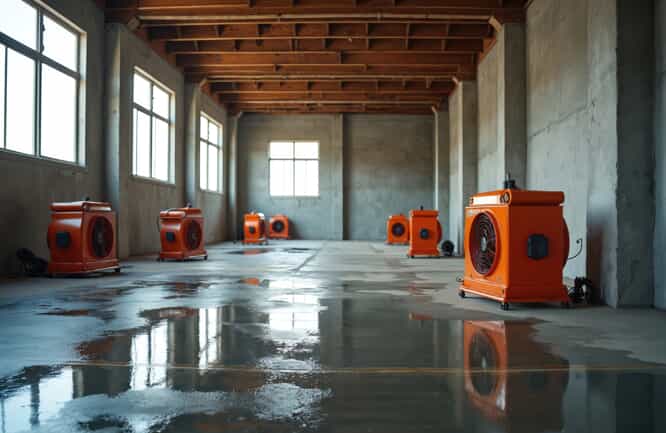
Step 3: Controlled Equipment Setup
Industrial-grade equipment is strategically placed, including:
- High-capacity dehumidifiers
- Air movers
- Floor drying systems
- Injectidry systems for wall cavities
In some cases, baseboards or small sections of drywall may be removed to allow airflow into trapped areas.
The goal is controlled evaporation — not rapid drying that causes cracking or warping.
Step 4: Continuous Monitoring
Moisture levels are checked daily.
Drying continues until structural components reach acceptable moisture content levels.
In Merritt Island’s humid environment, this stage may take longer than homeowners expect.
Stopping too early often leads to recurring issues.
Why Fans and Open Windows Are Not Enough
After hurricanes, some homeowners try to “air out” the home.
However:
- Outdoor air is often humid
- Fans alone circulate moisture rather than remove it
- Air conditioning without dehumidification may not reduce structural moisture
Professional drying equipment removes moisture from the air and from materials simultaneously.
This is critical in Florida’s climate.
Common Mistakes After Hurricane Damage
In Merritt Island, common post-storm mistakes include:
- Replacing drywall before verifying dryness
- Ignoring attic moisture
- Running AC continuously without humidity monitoring
- Delaying professional inspection
- Painting over water stains
- Assuming no visible water means no damage
These shortcuts can allow moisture to remain inside structural components.
Cost Factors for Structural Dryouts
Dryout costs depend on:
- Size of affected area
- Severity of moisture intrusion
- Accessibility of structural cavities
- Duration of drying
- Equipment runtime
- Whether materials must be removed
Early detection typically reduces drying time and overall expense.
Delays increase both scope and cost.
Preventing Long-Term Damage in Coastal Homes
To reduce structural dryout needs in future storms, Merritt Island homeowners should:
- Inspect roofing annually
- Maintain flashing and sealants
- Check attic ventilation
- Monitor indoor humidity (45–55%)
- Address minor leaks immediately
- Schedule post-hurricane moisture inspections
Routine maintenance significantly reduces hurricane-related moisture risk.
Why Local Coastal Experience Matters
Structural drying in Merritt Island requires understanding:
- Coastal wind patterns
- High water table behavior
- Salt air effects on roofing systems
- Humidity cycles unique to barrier island communities
Professionals familiar with these conditions recognize where moisture is most likely to hide — even when there are no obvious signs.
A generic drying approach does not work effectively in Florida’s coastal climate.
A Calm, Structured Response After Hurricanes
Hurricanes are unpredictable. Moisture damage does not have to be.
If your Merritt Island home experiences storm exposure, even without visible flooding, moisture detection and structural drying may be necessary to protect long-term integrity.
The process should always follow a clear order:
Inspect thoroughly.
Identify hidden moisture.
Correct intrusion points.
Deploy controlled drying equipment.
Monitor moisture levels.
Verify complete dryness.
Structural dryouts are not an overreaction — they are preventive protection against mold, rot, and structural deterioration in Florida’s demanding coastal environment.
Handled properly and promptly, they ensure your Merritt Island home remains strong, stable, and ready for future storm seasons.
