
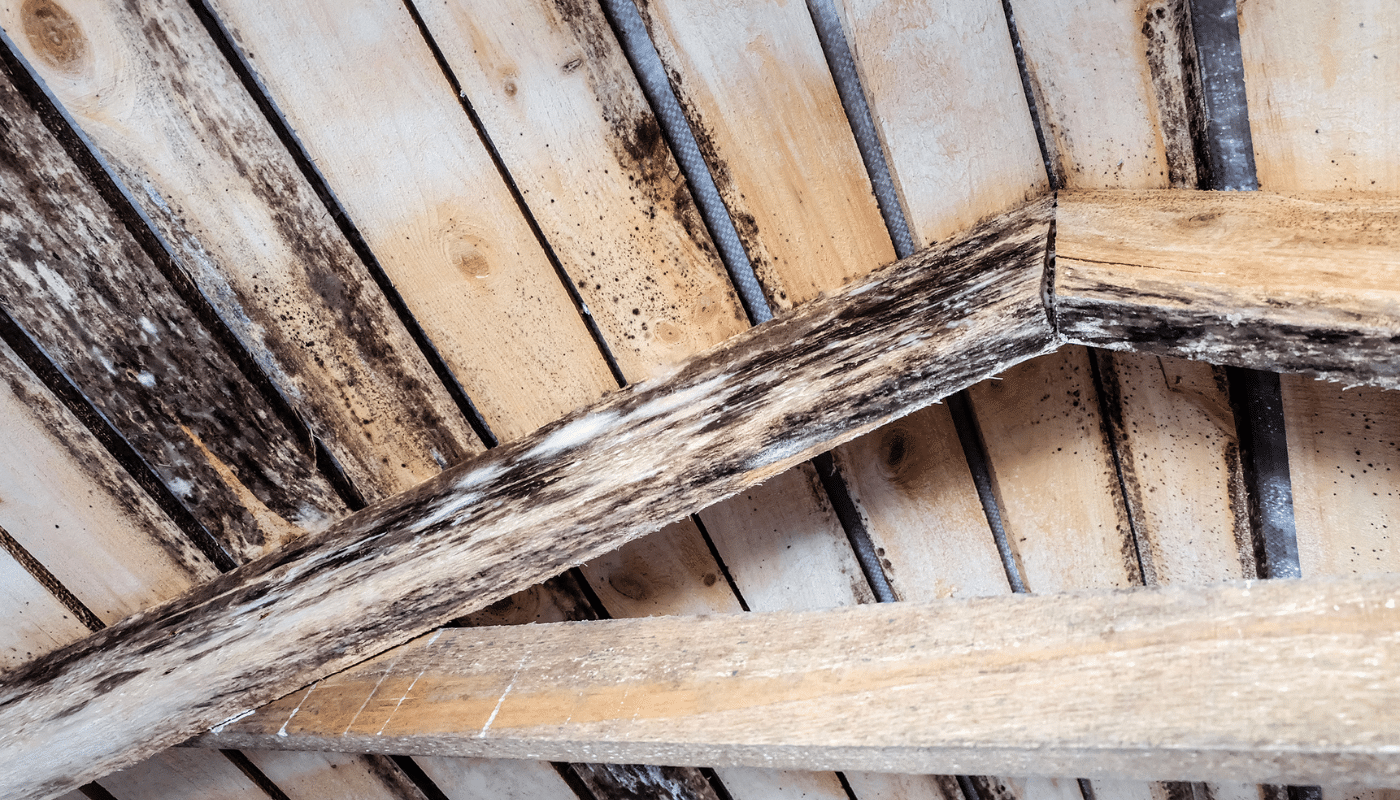
Mold Remediation in Palm Bay Inside Attic Spaces: Why Quick Action Matters
In Palm Bay, attic spaces are exposed to some of the harshest environmental conditions in the home. Intense Florida heat, high coastal humidity, heavy summer storms, and year-round air conditioning create a perfect environment for moisture buildup above the ceiling. When that moisture lingers, mold growth can begin quickly — often before homeowners even realize there’s a problem.
Attic mold is rarely just a cosmetic issue. Because the attic houses roof decking, trusses, insulation, and often HVAC ductwork, contamination in this space can affect structural integrity and indoor air quality. In Palm Bay’s humid coastal climate, mold remediation inside attic spaces requires quick, structured action to prevent damage from spreading.
Understanding why time matters — and how proper remediation works — can protect both the structure and the long-term value of your home.
Why Attics in Palm Bay Are Vulnerable to Mold
Attic environments in coastal Florida face constant stress.
High Humidity
Palm Bay’s proximity to the Atlantic and Indian River Lagoon keeps outdoor humidity elevated most of the year. When ventilation is unbalanced, humid air can become trapped inside attic spaces.
Intense Heat
During summer months, attic temperatures can exceed 130°F. When warm air meets cooler surfaces — particularly after nighttime cooling cycles — condensation may form on roof decking.
Storm Exposure
Wind-driven rain during Florida storms can enter through minor flashing gaps, ridge vent openings, or damaged shingles. Even small amounts of water can saturate insulation and framing.
HVAC Condensation
Many homes run ductwork through the attic. If duct insulation deteriorates, condensation may drip onto surrounding materials.
These factors make attic spaces one of the most common areas for hidden mold growth in Palm Bay homes.
How Mold Develops in Attic Spaces
Mold requires moisture and organic material. Attic framing and roof decking provide both.
When moisture enters the attic and remains trapped:
- Roof sheathing absorbs dampness
- Wooden trusses retain elevated moisture
- Insulation compresses and loses performance
- Airflow becomes restricted
In Palm Bay’s warm climate, mold can begin forming within 24 to 48 hours if moisture levels remain elevated.
Because attics are not regularly occupied spaces, mold may spread extensively before detection.
Early Signs Homeowners Often Miss
Attic mold is rarely obvious at first.
Common early indicators include:
- Musty odors inside the home
- Dark staining on roof decking
- Rusted nail heads visible from below
- Elevated indoor humidity
- Increased cooling costs
- Minor ceiling discoloration
By the time visible ceiling stains appear, moisture may have already affected larger sections of the attic structure.
Quick action at the first sign of moisture can limit remediation scope significantly.
Why Quick Action Matters
Delaying remediation allows moisture and mold to spread deeper into structural materials.
Protecting Structural Integrity
Roof decking and trusses are structural components. Prolonged moisture exposure weakens wood and increases the risk of rot.
Early remediation stabilizes framing before deterioration progresses.
Limiting Contamination Spread
Attics connect to living spaces through HVAC systems and ceiling penetrations. Mold spores can circulate through ductwork if contamination spreads.
Prompt containment reduces airborne distribution.
Reducing Repair Costs
The longer moisture remains, the larger the affected area becomes. Early detection often limits removal to smaller sections rather than widespread structural involvement.
Preserving Insulation Performance
Wet insulation loses thermal efficiency and may need replacement. Acting quickly can prevent full attic insulation removal.
The Proper Mold Remediation Process
Mold remediation inside Palm Bay attics must follow a structured sequence.
Step 1: Moisture Detection
Professionals begin by identifying the moisture source using:
- Moisture meters
- Thermal imaging
- Humidity readings
- Roof inspections
- Ventilation assessments
Companies like Inspections and More FL focus on mapping moisture spread because attic leaks rarely remain localized.
Step 2: Source Correction
Before remediation continues, intrusion points must be repaired.
This may involve:
- Flashing repair
- Ridge vent adjustments
- Shingle replacement
- Duct insulation upgrades
- Ventilation balance corrections
Without source correction, mold will return.
Step 3: Containment
Affected attic areas are isolated to prevent spore spread into living spaces.
HEPA air filtration may be used during remediation.
Step 4: Removal of Contaminated Materials
Heavily affected insulation and porous materials may require removal.
Structural wood may be cleaned and preserved if still sound.
Step 5: Professional Cleaning
Roof decking and framing are cleaned using proper remediation techniques.
Surface wiping alone is not sufficient when contamination is embedded.
Step 6: Controlled Structural Drying
Industrial dehumidifiers and air movers reduce moisture content in wood and surrounding materials.
In Palm Bay’s humid environment, drying must be verified with moisture readings.
Stopping too early increases recurrence risk.
Common Mistakes Homeowners Make
When attic mold is discovered, some homeowners:
- Spray bleach
- Paint over stained decking
- Ignore minor discoloration
- Replace insulation without addressing leaks
- Assume attic heat will dry moisture naturally
In Florida’s climate, moisture rarely evaporates completely without controlled drying.
Surface treatments alone do not eliminate embedded contamination.
Cost Factors to Consider
Remediation costs vary depending on:
- Size of attic area affected
- Extent of moisture spread
- Accessibility of roof framing
- Amount of insulation replacement
- Duration of drying
- Necessary roof repairs
Early detection dramatically reduces overall expense.
Delays increase structural involvement and labor.
Long-Term Prevention Strategies
To reduce future attic mold risk in Palm Bay homes:
- Schedule annual roof inspections
- Maintain proper attic ventilation
- Monitor indoor humidity between 45% and 55%
- Inspect duct insulation regularly
- Address minor leaks immediately
- Schedule post-storm evaluations
Ongoing maintenance is essential in coastal Florida.
Why Local Experience Matters
Palm Bay homes face:
- Coastal humidity cycles
- Frequent tropical storms
- High solar heat loads
- Slab foundation construction
- Year-round AC usage
Professionals familiar with these regional conditions understand how attic moisture behaves in Florida construction.
That local knowledge ensures remediation addresses both contamination and environmental pressures.
A Practical, Protective Approach
Attic mold in Palm Bay is not just a cosmetic concern — it is a structural and environmental issue that requires immediate attention.
The correct sequence is always:
Identify hidden moisture.
Correct the intrusion source.
Contain affected areas.
Remove contaminated materials.
Dry structural components thoroughly.
Monitor humidity long-term.
When mold remediation inside attic spaces is handled quickly and methodically, it protects roof framing, preserves indoor air quality, and prevents costly structural damage.
In Florida’s humid coastal climate, time is critical. Acting early makes the difference between a manageable repair and a much larger problem.
