Understanding Dehumidification Challenges in Merritt Island in Older Florida Homes
Older homes in Merritt Island have character you simply don’t find in newer construction. Solid framing, mature landscaping, unique layouts — they reflect decades of Florida history. But they were also built in a very different climate-control era.
Many of these homes were constructed before modern vapor barriers, advanced insulation systems, and high-efficiency HVAC units became standard. In today’s coastal humidity, that creates a very specific challenge: controlling moisture effectively.
Dehumidification in older Florida homes is not just about comfort. In Merritt Island, Cocoa, and surrounding coastal communities, it is about protecting structural materials, preventing mold growth, and maintaining indoor air stability.
What the Issue Really Is
Dehumidification is the process of removing excess moisture from indoor air. In Florida, that sounds simple — but in older homes, it becomes complicated.
Unlike newer builds designed with sealed envelopes and controlled airflow, older homes often have:
- Less insulation
- Gaps in framing
- Older windows
- Crawl spaces without proper barriers
- Outdated HVAC systems
When humid coastal air enters these homes, it lingers. Air conditioning alone does not always remove enough moisture, especially when systems short-cycle or are oversized.
The result is persistent indoor humidity that never quite feels dry.
Why This Happens So Often in Merritt Island
Merritt Island’s location between the Banana River and Indian River Lagoon means humidity is constant. Even on days without rain, moisture levels remain elevated.
Older homes in this area face several environmental pressures:
Coastal Humidity
Moist air moves easily through older framing and window systems.
High Water Tables
Ground moisture can migrate upward into slab foundations or crawl spaces.
Frequent Storm Activity
Heavy rainfall saturates soil and increases vapor pressure around foundations.
Aging Construction Materials
Wood framing, older insulation, and porous materials absorb moisture more easily.
AC Limitations
Older HVAC systems may not be designed for modern humidity loads. Some cool the air quickly but fail to remove sufficient moisture.
These factors combine to create dehumidification challenges unique to older Florida properties.
Common Signs Homeowners Notice
Many Merritt Island homeowners report similar concerns:
- Indoor air feels damp or sticky
- Musty odors, especially in closets
- Warped or cupping hardwood floors
- Condensation on windows
- Increased allergy-like symptoms indoors
- Rust forming on metal fixtures
Even when temperatures are comfortable, humidity levels may still exceed recommended ranges.
Over time, that persistent moisture affects materials behind walls, under flooring, and inside insulation.
Hidden or Overlooked Moisture Sources
Older homes often contain hidden contributors to high humidity:
- Crawl spaces without vapor barriers
- Poor attic ventilation
- AC duct leakage
- Unsealed slab penetrations
- Outdated insulation systems
- Past water damage that was never fully dried
Because these homes were not originally built with today’s moisture standards in mind, small gaps allow humid air infiltration year-round.
Without correction, dehumidifiers work constantly but struggle to stabilize conditions.
Why DIY Dehumidification Often Falls Short
Homeowners frequently purchase portable dehumidifiers hoping to solve the problem.
While helpful in small areas, they rarely address the full issue.
Common limitations include:
- Treating only one room at a time
- Ignoring hidden crawl space humidity
- Failing to address HVAC imbalance
- Not correcting infiltration points
- Overlooking insulation deficiencies
Running multiple portable units increases electricity costs without solving the root moisture source.
True humidity control requires identifying where moisture is entering and why it is not being removed effectively.
Professional Inspection & Moisture Detection Explained
In older Merritt Island homes, proper evaluation is critical before installing equipment.
A comprehensive assessment typically includes:
Visual Inspection
Examining crawl spaces, attics, slab transitions, and insulation integrity.
Thermal Imaging
Infrared scanning identifies hidden moisture pockets behind walls or beneath flooring.
Moisture Meter Testing
Measuring moisture levels in framing and drywall materials.
HVAC Evaluation
Assessing system size, duct leakage, airflow balance, and drain line performance.
Humidity Monitoring
Testing indoor relative humidity levels across multiple zones.
At Inspections and More FL, dehumidification planning begins with understanding the home’s specific construction style and moisture patterns.
Proper Dehumidification & Moisture Control Process
Once the source is identified, correcting humidity in older Florida homes requires a layered approach.
A professional solution may include:
- Installing whole-home dehumidification systems
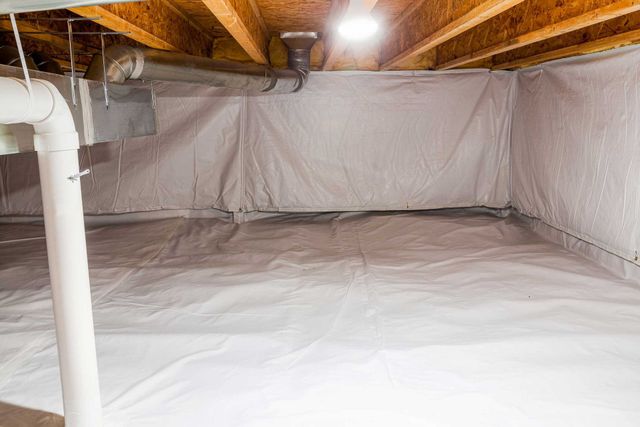
- Sealing crawl spaces with vapor barriers
- Improving attic ventilation
- Repairing duct leakage
- Air blower installation for drying saturated materials
- Structural dryouts where moisture has accumulated
- Mold remediation if microbial growth is present
- Air scrubbing to stabilize indoor air quality
- Correcting slab vapor transmission issues
- Upgrading HVAC drainage systems
The goal is balance — not simply removing moisture temporarily, but stabilizing it long-term.
How Proper Dehumidification Protects Older Homes
Effective humidity control protects:
Structural Framing
Excess moisture weakens wood framing over time.
Flooring Systems
Hardwood and laminate floors react quickly to humidity fluctuations.
Insulation Performance
Wet insulation loses energy efficiency.
Indoor Air Quality
High humidity increases airborne particle activity.
HVAC Longevity
Balanced moisture levels reduce strain on air conditioning systems.
In Merritt Island’s coastal environment, stabilization prevents recurring repairs.
Prevention Strategies for Older Florida Homes
Homeowners in Merritt Island, Cocoa, and Palm Bay can reduce risk by:
- Monitoring indoor humidity regularly
- Maintaining AC systems twice yearly
- Inspecting crawl spaces annually
- Evaluating attic ventilation after storms
- Sealing exterior penetrations
- Addressing plumbing leaks immediately
- Scheduling periodic moisture evaluations
Older homes require proactive maintenance because they were not designed for modern humidity expectations.
Why Local Experience Matters
Understanding Merritt Island’s building styles makes a significant difference.
Many older homes here share similar slab construction patterns, insulation gaps, and ventilation limitations. Coastal exposure changes how materials age.
Professionals familiar with Cocoa and Melbourne properties recognize common infiltration points quickly.
Inspections and More FL approaches dehumidification challenges with regional knowledge, ensuring solutions align with Florida’s climate rather than generic recommendations.
A Practical Step Toward Long-Term Stability
Dehumidification in older Florida homes is not about chasing symptoms. It is about understanding how moisture behaves in a coastal environment.
In Merritt Island, humidity will always be present. The key is controlling how it interacts with your home.
When indoor air feels damp, odors persist, or flooring begins reacting, a professional moisture evaluation provides clarity.
Stabilizing humidity early protects structure, comfort, and long-term property value.