
Understanding Anti-Microbial Fogging Challenges in Sanford Waterfront Homes
Waterfront living in Sanford offers beautiful views and direct access to lakes and waterways. Properties near Lake Monroe and surrounding canals often benefit from cooling breezes and scenic backyards.
But waterfront exposure also brings unique moisture challenges.
Higher ambient humidity, wind-driven rain across open water, fluctuating water tables, and prolonged damp air can all affect building materials over time. When water intrusion occurs — whether from storms, rising water levels, or slow leaks — homeowners often hear about anti-microbial fogging as part of remediation.
What many don’t realize is that waterfront homes in Sanford present specific challenges that affect how and when fogging should be used.
Understanding those challenges helps property owners make informed decisions.
Why Waterfront Homes in Sanford Experience More Moisture Stress
Living near open water changes how moisture behaves around a home.
Waterfront properties often face:
- Elevated humidity compared to inland neighborhoods
- Wind-driven rain from open lake exposure
- Greater temperature swings near water
- Higher groundwater levels
- Increased condensation on windows and doors
These conditions mean building materials absorb moisture more frequently.
Even without visible flooding, small amounts of recurring dampness can create ideal conditions for microbial growth.
That’s why moisture control is ongoing in waterfront environments.
How Moisture Intrusion Happens in Waterfront Properties
Water intrusion doesn’t always come from dramatic storm damage.
In Sanford waterfront homes, moisture may enter through:
- Sliding glass doors facing the water
- Window seals exposed to lake-facing winds
- Roof edges and flashing during heavy storms
- Crawl spaces near fluctuating water tables
- HVAC systems working overtime in humid conditions
Because waterfront air contains more moisture, drying times are longer.
Materials that might dry naturally in drier regions remain damp longer near the water.
The Role of Anti-Microbial Fogging
Anti-microbial fogging is designed to disperse a fine mist of antimicrobial solution across exposed surfaces.
It can:
- Reduce microbial contamination levels
- Treat cleaned structural components
- Reach tight crevices
- Assist with odor control
Fogging is typically used after moisture issues have been addressed.
It is not designed to replace removal of saturated materials or correct active leaks.
In waterfront homes, this distinction is especially important.
The Primary Challenge: High Ambient Humidity
One of the biggest challenges in Sanford waterfront properties is elevated ambient humidity.
If indoor humidity remains high:
- Drying takes longer
- Moisture reaccumulates quickly
- Fogging treatments may not be as effective
- Odors can persist
Before anti-microbial fogging is applied, indoor humidity must be controlled.
That often requires:
- Commercial dehumidifiers
- HVAC adjustments
- Addressing ventilation deficiencies
Without proper moisture control, fogging becomes a temporary measure instead of part of a long-term solution.
Structural Drying Must Come First
In waterfront homes, drying is often more complex.
Moisture may affect:
- Subfloors near exterior doors
- Lower wall sections
- Crawl spaces
- Attic insulation
Before fogging can be effective, materials must reach safe moisture levels.
This involves:
- Moisture mapping with meters
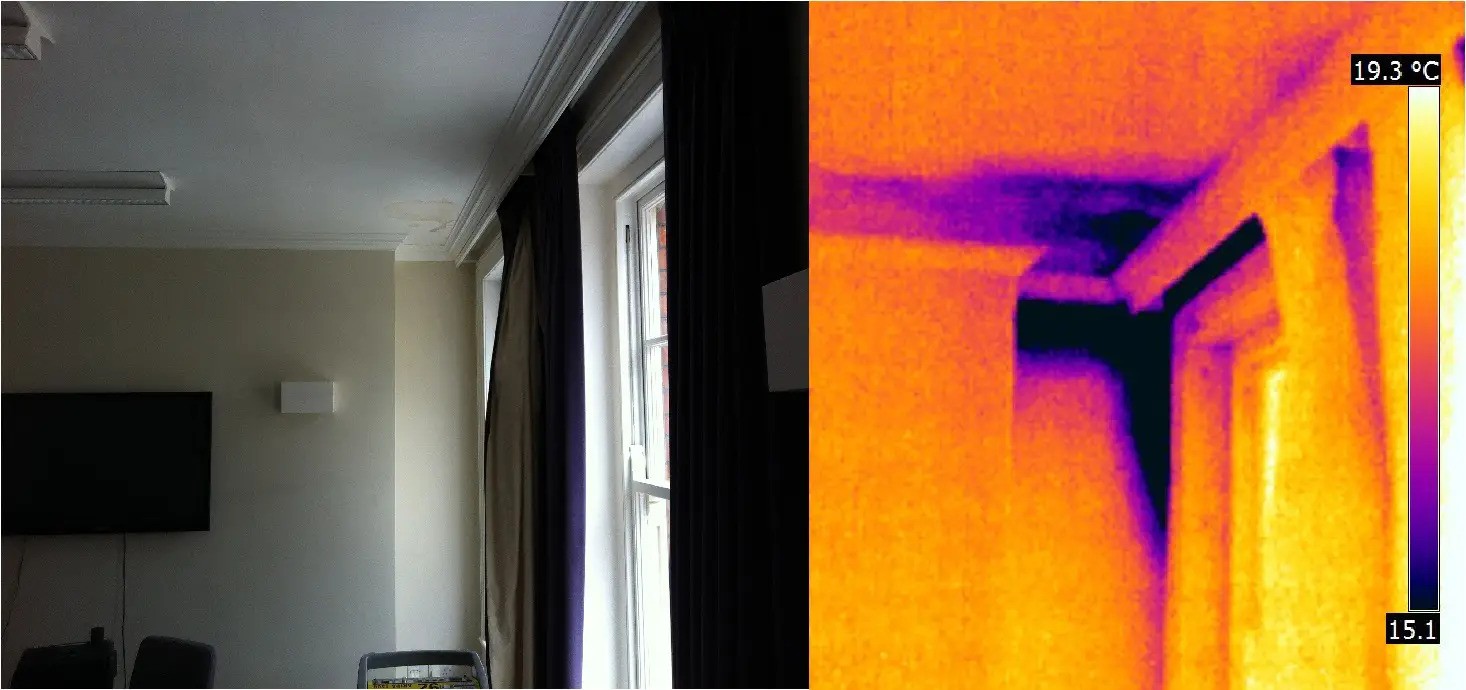
- Thermal imaging to locate hidden dampness
- Removal of saturated drywall or insulation
- Continuous monitoring during drying
Applying fogging to wet materials can trap moisture and delay recovery.
HVAC Systems and Waterfront Exposure
Sanford waterfront homes often rely heavily on air conditioning.
Higher humidity outside forces HVAC systems to run longer.
Over time:
- Condensation can accumulate in air handlers
- Ductwork in attics may sweat
- Drain lines can clog
If microbial growth develops inside HVAC systems, fogging alone will not resolve it.
Proper evaluation must include:
- Air handler inspection
- Duct assessment
- Humidity balancing
Without addressing HVAC-related moisture, problems can recur.
Salt and Water Exposure Considerations
While Sanford is inland compared to coastal communities, waterfront homes near large bodies of water still experience moisture stress.
Fluctuating water levels can increase:
- Crawl space dampness
- Soil moisture around foundations
- Capillary moisture movement into slabs
This adds complexity to remediation.
Fogging addresses surface contamination — but foundation-related moisture must be managed separately.
When Fogging May Be Appropriate
In Sanford waterfront homes, anti-microbial fogging may be recommended when:
- Moisture intrusion has been confirmed and corrected
- Structural drying is complete
- Contaminated materials have been removed
- Surface contamination remains
- Odors persist after cleaning
It is typically used as a finishing treatment — not as a primary fix.
An evaluation determines whether it is truly necessary.
Why DIY Fogging Is Risky in Waterfront Homes
High humidity makes DIY fogging especially risky.
Common mistakes include:
- Applying treatment before drying is complete
- Ignoring hidden crawl space moisture
- Failing to isolate affected areas
- Skipping HVAC inspection
Without professional moisture detection tools, it’s impossible to confirm that conditions are ready for treatment.
In waterfront environments, overlooking even small moisture pockets can lead to recurring problems.
Prevention Strategies for Waterfront Properties
Long-term protection in Sanford waterfront homes includes:
- Maintaining indoor humidity below 55%
- Improving crawl space ventilation
- Installing dehumidification systems if necessary
- Inspecting sliding doors and lake-facing windows regularly
- Monitoring foundation moisture
- Scheduling periodic moisture evaluations
Moisture control near water is continuous, not seasonal.
Proactive maintenance reduces the need for extensive remediation later.
Why Local Experience Matters in Sanford
Waterfront properties behave differently from inland homes.
A professional familiar with Sanford’s lakefront conditions understands:
- How wind-driven rain affects water-facing walls
- How groundwater influences slab and crawl space moisture
- How humidity impacts drying timelines
- When fogging is appropriate versus unnecessary
Inspections and More FL works with Sanford property owners who face these waterfront challenges regularly.
Local experience ensures accurate diagnosis and appropriate sequencing of remediation steps.
A Practical Next Step for Waterfront Homeowners
If your Sanford waterfront home has experienced moisture intrusion — whether from storms, rising water levels, or persistent humidity — scheduling a structured evaluation is the first step.
Anti-microbial fogging may be recommended.
Or the solution may focus more heavily on drying and humidity control.
The most important part is identifying:
- Where moisture entered
- How far it spread
- Whether materials are compromised
- How to prevent recurrence
Waterfront living requires ongoing moisture awareness.
Handled correctly, remediation protects both the structure and the comfort of your home.
