
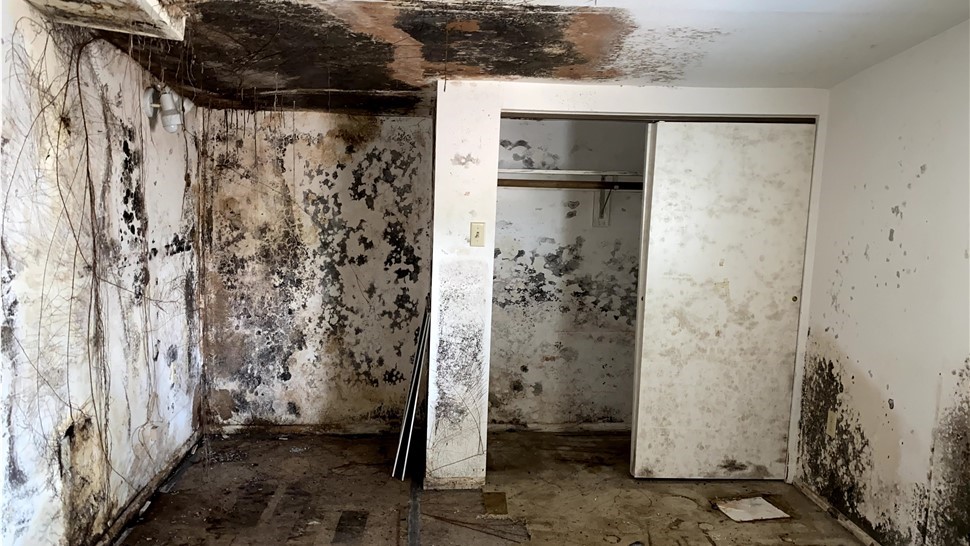
Why Anti-Microbial Fogging Becomes Necessary in Melbourne When Indoor Air Feels Damp
In Melbourne, it’s not unusual to walk into your home and feel that subtle heaviness in the air.
The temperature might be comfortable. The AC may be running. But something feels off — slightly sticky, faintly musty, almost humid indoors.
In a coastal Florida climate, that damp indoor feeling is more than just discomfort. It can be an early warning sign of elevated moisture levels inside walls, ceilings, insulation, or HVAC systems.
When that happens, anti-microbial fogging may become part of the solution — but only under the right circumstances.
Understanding why damp indoor air matters and when fogging becomes necessary helps homeowners respond before small issues grow into larger ones.
Why Homes in Melbourne Often Feel Damp
Melbourne’s environment creates constant humidity pressure.
Contributing factors include:
- Coastal air exposure
- Frequent summer rainstorms
- Hurricane-season moisture
- High groundwater levels
- Nearly year-round air conditioning use
Even well-maintained homes can experience elevated indoor humidity due to:
- Minor roof leaks
- Window seal failure
- Poor attic ventilation
- AC drain line issues
- Ductwork condensation
When indoor humidity remains above 55–60%, the air begins to feel heavy.
That feeling isn’t just about comfort — it often signals moisture imbalance.
What Damp Indoor Air Can Indicate
A damp indoor environment may suggest:
- Hidden moisture behind drywall
- Saturated insulation
- Subfloor dampness
- HVAC system condensation
- Poor airflow in certain rooms
In Melbourne’s climate, moisture doesn’t always present as visible water.
It can quietly accumulate inside cavities.
Within 24 to 48 hours of sustained dampness, microbial growth can begin on organic materials.
That’s when remediation may become necessary.
The Link Between Damp Air and Microbial Growth
Mold requires three conditions:
- Moisture
- Organic material
- Moderate temperatures
Melbourne homes provide warmth and organic materials like drywall and wood framing.
When humidity rises, the missing ingredient — moisture — becomes available.
Even without visible leaks, prolonged damp air can:
- Feed existing microbial colonies
- Activate dormant spores
- Increase musty odors
- Affect indoor air quality
When contamination is suspected, evaluation becomes important.
When Anti-Microbial Fogging Enters the Conversation
Anti-microbial fogging is not automatically required every time air feels damp.
However, it may become necessary when:
- Elevated humidity has persisted
- Hidden moisture has been confirmed
- Surface contamination is present
- Odors remain after drying
- Materials were previously exposed to water
Fogging works as a targeted antimicrobial treatment applied after proper drying and cleaning.
It is not a substitute for moisture control.
Why Drying Always Comes First
If indoor air feels damp, the first step is identifying the source.
This often includes:
- Moisture meter readings
- Thermal imaging scans
- Humidity measurements
- HVAC inspection
If damp drywall or insulation is discovered, structural drying must occur before fogging.
This typically involves:
- Commercial dehumidifiers
- Air movers
- Removal of saturated materials
Applying fogging without drying can trap moisture inside walls.
Correct sequencing protects the structure.
The Role of HVAC Systems in Damp Indoor Conditions
In Melbourne homes, HVAC systems run most of the year.
Over time:
- Drain lines can clog
- Coils can accumulate condensation
- Ductwork can sweat in humid attics
If microbial growth develops inside the system, spores may circulate throughout the home.
When indoor air feels damp and musty, evaluating the HVAC system is critical.
Fogging may be used as part of a broader remediation strategy if contamination is present.
Signs That Evaluation Should Be Scheduled
Melbourne homeowners should consider scheduling an inspection if they notice:
- Persistent musty smells
- Condensation on windows
- Humidity readings above 60%
- Discoloration near vents
- Soft drywall areas
- Rooms that feel damp despite AC use
These signs suggest that moisture may be present beyond normal humidity levels.
Early evaluation reduces the likelihood of larger remediation projects.
What Anti-Microbial Fogging Actually Does
When used appropriately, anti-microbial fogging:
- Disperses a fine mist of antimicrobial solution
- Treats exposed structural surfaces
- Reaches tight crevices
- Assists with odor control
It is typically applied within contained areas to prevent cross-contamination.
Fogging is most effective after:
- Moisture sources are corrected
- Structural drying is complete
- Contaminated materials are removed
It supports the overall remediation process.
Why Melbourne’s Climate Increases the Need for Careful Evaluation
Melbourne’s coastal humidity slows natural drying.
Even on sunny days after rainstorms, ambient moisture remains high.
This means:
- Damp areas persist longer
- Hidden moisture may not evaporate naturally
- Odors can linger
Because of this, fogging decisions should be based on measured moisture conditions — not just how the air feels.
Professional tools provide accurate data.
Preventing Recurring Damp Conditions
Long-term moisture control in Melbourne includes:
- Maintaining indoor humidity below 55%
- Servicing HVAC systems regularly
- Improving attic ventilation
- Sealing window and door gaps
- Monitoring humidity with indoor sensors
If damp air is recurring, a whole-home dehumidification solution may be recommended.
Prevention reduces the need for remediation later.
Why Local Experience Matters
Damp indoor air in Melbourne behaves differently than in drier regions.
Coastal exposure, slab construction, and storm patterns create specific moisture behaviors.
A professional familiar with local conditions understands:
- How humidity migrates through slab homes
- Common intrusion points
- How HVAC systems influence moisture balance
- When fogging is appropriate versus unnecessary
Inspections and More FL works with Melbourne homeowners dealing with these environmental conditions regularly.
Local knowledge improves evaluation accuracy and ensures practical recommendations.
A Practical Next Step
If your indoor air feels damp and musty, don’t ignore it.
Scheduling a structured moisture evaluation provides clarity.
Anti-microbial fogging may be part of the solution.
Or the issue may simply require targeted drying and humidity control.
The key is identifying:
- Whether hidden moisture exists
- Whether materials are compromised
- Whether treatment is necessary
In Melbourne’s humid climate, early attention prevents minor moisture imbalances from becoming larger remediation projects.
