
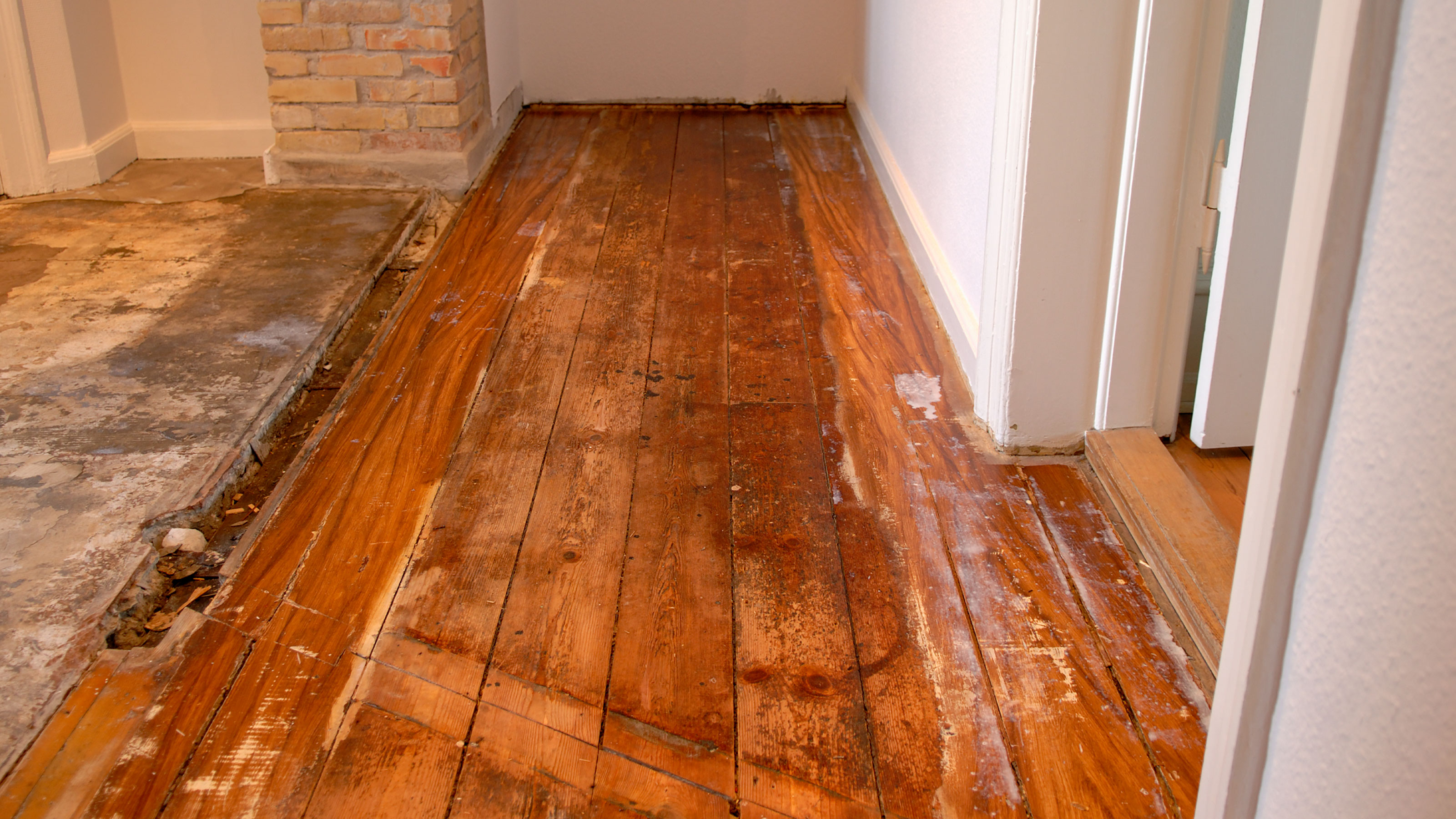
Understanding Mold Encapsulation Challenges in Melbourne Under Hardwood Flooring
Hardwood flooring is a popular upgrade in many Melbourne homes. It adds warmth, value, and a clean coastal aesthetic that fits Florida living.
But beneath those boards, especially in Melbourne’s humid climate, moisture can create problems that aren’t immediately visible.
When water intrusion occurs — whether from a roof leak, plumbing issue, storm exposure, or slab moisture — contamination can develop under hardwood flooring. In some cases, mold encapsulation becomes part of the remediation plan.
However, encapsulating mold beneath hardwood presents specific challenges, particularly in a coastal environment like Melbourne.
Understanding those challenges helps homeowners make informed decisions before repairs begin.
Why Hardwood Flooring Is Vulnerable in Melbourne
Melbourne’s climate creates constant moisture pressure on homes.
Key factors include:
- High year-round humidity
- Heavy summer thunderstorms
- Hurricane-season rain and wind-driven moisture
- Slab foundations common throughout the area
- Continuous air conditioning use
Hardwood is a natural material that expands and contracts with moisture changes.
When water enters beneath the flooring — even in small amounts — it can become trapped between:
- The hardwood planks
- The subfloor
- The slab or crawl space below
Limited airflow under hardwood slows evaporation, allowing moisture to linger.
That lingering dampness creates conditions where microbial growth can develop unnoticed.
What Mold Encapsulation Actually Is
Mold encapsulation is a process where a specialized coating is applied to cleaned structural surfaces to seal in residual staining or minor contamination.
It is typically used:
- After active mold has been removed
- Once moisture levels are controlled
- On structural components that cannot be fully replaced
Encapsulation is not meant to cover active mold growth.
It is designed to seal properly cleaned surfaces to prevent future exposure and provide a protective barrier.
Under hardwood flooring, however, this process becomes more complicated.
The First Challenge: Hidden Moisture
Before encapsulation can even be considered, moisture must be fully addressed.
In Melbourne homes, moisture beneath hardwood may originate from:
- Slab moisture migration
- Minor plumbing leaks
- Storm-related intrusion
- HVAC condensation
- Elevated indoor humidity
If subfloor moisture levels remain high, encapsulating surfaces can trap dampness beneath the coating.
That can lead to recurring contamination.
Moisture mapping using meters and thermal imaging is essential before any encapsulation is performed.
The Second Challenge: Limited Access
Hardwood flooring often needs to be removed to properly evaluate the subfloor.
Encapsulation cannot be done effectively through small openings or from the surface.
Limited access may hide:
- Subfloor damage
- Damp insulation
- Framing contamination
- Adhesive breakdown
If only partial flooring is removed, remaining hidden areas may still contain moisture.
In Melbourne’s humid environment, incomplete access increases the risk of recurring issues.
Structural Drying Must Come First
Before encapsulation, proper structural drying is required.
This process may involve:
- Commercial dehumidifiers
- Air movers
- Removal of saturated subfloor sections
- Continuous moisture monitoring
Because Melbourne’s outdoor humidity remains high, natural drying is rarely sufficient.
Encapsulation applied before full drying can trap moisture inside the structure.
Drying is not optional — it is foundational.
The Third Challenge: Slab Foundations
Many Melbourne homes are built on slab foundations.
Concrete slabs can transmit moisture upward, especially if vapor barriers have degraded over time.
If slab moisture is not addressed:
- Hardwood flooring may continue absorbing moisture
- Subfloors may remain damp
- Encapsulated areas may experience recurring issues
Slab moisture testing is critical before reinstalling hardwood flooring.
Encapsulation does not correct foundation-related moisture migration.
When Encapsulation May Be Appropriate
Encapsulation may be considered when:
- Mold contamination was limited and properly removed
- Structural components are dry
- Replacement of certain framing members is impractical
- Surfaces have been cleaned and treated
It is typically used as a finishing step after remediation.
It is not a substitute for removal of heavily contaminated materials.
Under hardwood flooring, encapsulation must be part of a broader plan that includes moisture control.
The Role of Containment During Remediation
When mold is present beneath hardwood, containment is necessary.
Affected areas are isolated to prevent spores from spreading into unaffected rooms.
HEPA air scrubbers operate during removal and cleaning.
Encapsulation is only applied after containment and cleaning are complete.
Skipping containment increases the risk of contamination spreading to other parts of the home.
The HVAC Factor in Melbourne Homes
Air conditioning systems in Melbourne operate most of the year.
If moisture beneath hardwood has affected lower wall cavities, HVAC return vents may distribute contaminated air.
Evaluating ductwork and air handlers is important when mold develops under flooring.
Encapsulation addresses structural surfaces — but air systems must also be inspected to prevent recurring problems.
Why DIY Encapsulation Is Risky
Homeowners sometimes consider applying sealant coatings themselves.
The risks include:
- Applying coating over active mold
- Skipping moisture testing
- Failing to dry materials completely
- Inadequate surface cleaning
Encapsulation without proper preparation can hide problems instead of solving them.
Professional evaluation ensures that encapsulation is appropriate and properly sequenced.
Preventing Recurring Problems After Remediation
In Melbourne homes with hardwood flooring, long-term moisture control includes:
- Maintaining indoor humidity below 55%
- Servicing HVAC systems regularly
- Monitoring slab moisture before flooring installation
- Addressing plumbing leaks immediately
- Improving drainage around foundations
Hardwood can perform well in Florida — but only when moisture is consistently managed.
Encapsulation protects cleaned surfaces, but prevention protects the entire system.
Why Local Experience Matters
Moisture behavior under hardwood flooring in Melbourne differs from drier climates.
High humidity, slab construction, and coastal weather patterns create unique challenges.
A local professional understands:
- How slab moisture migrates upward
- Common storm-related intrusion points
- How HVAC systems influence floor-level humidity
- When encapsulation is appropriate versus unnecessary
Inspections and More FL works with Melbourne homeowners facing these moisture conditions regularly.
Local knowledge ensures remediation steps are performed in the correct order.
A Practical Next Step
If you suspect mold beneath hardwood flooring in your Melbourne home — whether from past leaks or storm exposure — scheduling a structured evaluation is the first step.
Encapsulation may be part of the solution.
Or the issue may require additional removal and drying before sealing can be considered.
The most important factor is identifying:
- Where moisture originated
- Whether subfloor materials are dry
- Whether contamination has spread
- How to prevent recurrence
Handled correctly, mold remediation and encapsulation can protect both your flooring investment and the structural integrity of your home.
