How Mold Encapsulation Protects Properties in Merritt Island Inside Attic Spaces
In Merritt Island, attic spaces work harder than most homeowners realize. Between coastal humidity drifting in from the Banana River and Indian River, intense summer heat, and frequent storm systems, attic environments become moisture hotspots. When ventilation is unbalanced or roof systems allow minor intrusion, mold can develop quietly on wood framing and roof decking.
Attic mold is especially common in Merritt Island homes due to high humidity and warm air rising into confined upper spaces. When properly handled, mold encapsulation becomes a powerful tool in protecting structural components and preventing recurring issues.
Understanding how encapsulation works—and why it must be done correctly—helps homeowners and property managers protect their investment long-term.
What the Issue Is in Attic Spaces
Attics naturally collect heat and moisture. In Merritt Island’s climate, humid outdoor air enters through soffit vents while warm interior air rises upward from living spaces below.
When airflow is unbalanced, moisture becomes trapped.
Common attic moisture contributors include:
- Inadequate ventilation
- Roof leaks after storms
- AC duct condensation
- Bathroom exhaust vents terminating improperly
- Insulation that traps humid air
Over time, these conditions create the right environment for mold growth on:
- Roof decking
- Rafters
- Trusses
- Plywood sheathing
Because attic spaces are rarely visited, mold often spreads extensively before being noticed.
Why Merritt Island Homes Are Especially Vulnerable
Merritt Island’s location between waterways makes humidity a constant factor.
Coastal Air Exposure
Salt-laden air carries moisture inland. Even well-sealed homes experience elevated humidity levels.
Frequent Storm Systems
Heavy rain and hurricanes increase roof vulnerability. Even minor flashing failures allow moisture to enter attic spaces.
High Year-Round Humidity
Florida’s humidity doesn’t take a seasonal break. Moisture buildup in attics can occur even without active leaks.
Temperature Fluctuations
Attics experience extreme temperature swings. Warm, moist air condenses on cooler roof decking during certain weather patterns.
These conditions create ongoing moisture pressure that encourages mold growth unless ventilation and humidity are carefully controlled.
Common Signs of Attic Mold Problems
Many Merritt Island homeowners only discover attic mold during routine inspections or after noticing indirect signs.
Common indicators include:
- Musty odors inside the home
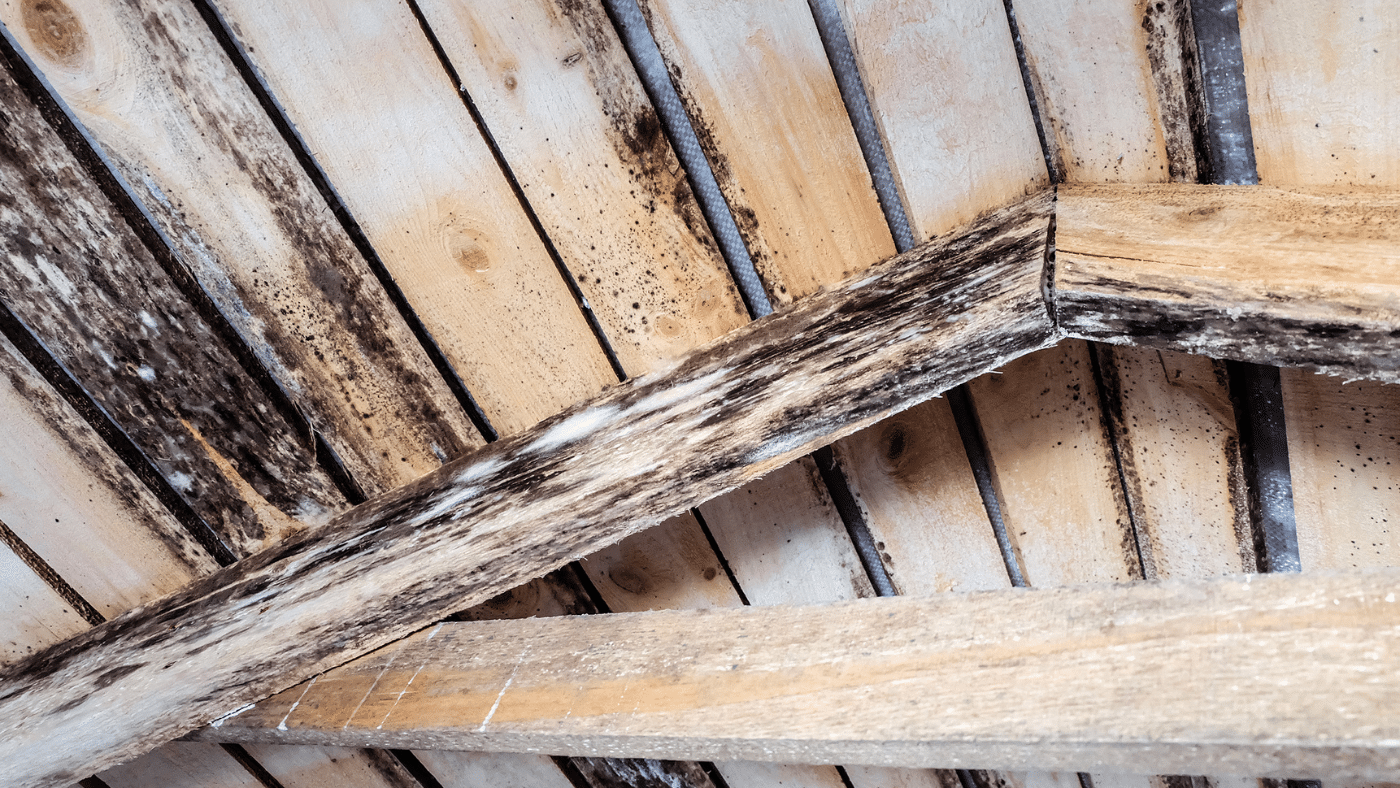
- Dark staining on roof decking
- Visible black or gray spotting on wood framing
- Insulation that appears damp or compressed
- Elevated indoor humidity
Because attic mold may not immediately affect living areas, it can continue spreading unnoticed for extended periods.
Hidden or Overlooked Attic Moisture Sources
Encapsulation decisions require understanding moisture origin.
Professionals often identify overlooked contributors such as:
Improper Ventilation Design
Too few intake vents or blocked soffits restrict airflow.
Disconnected Exhaust Ducts
Bathroom or kitchen vents releasing moist air directly into the attic.
AC Duct Sweating
Poorly insulated ductwork forming condensation during high humidity.
Minor Roof Leaks
Slow, hidden leaks around flashing or nail penetrations.
Insufficient Air Sealing
Gaps between attic and living space allowing humid air to rise.
If these sources are not corrected before encapsulation, mold can return.
Why DIY Attempts Usually Fail
Homeowners sometimes try surface cleaning using:
- Household bleach
- Over-the-counter sprays
- Scrubbing visible areas
These methods often remove surface staining but fail to address:
- Embedded mold roots
- Moisture imbalance
- Hidden damp insulation
- Structural humidity levels
Painting over attic mold without proper remediation traps moisture and may worsen conditions.
Encapsulation must follow a structured remediation process to be effective.
Professional Inspection & Evaluation in Attic Spaces
Before encapsulation is considered, a thorough attic evaluation is necessary.
A professional inspection typically includes:
Visual Assessment
Examining roof decking, framing, and insulation conditions.
Moisture Meter Testing
Measuring wood moisture content to determine saturation levels.
Thermal Imaging
Identifying temperature differences that suggest hidden dampness.
Ventilation Analysis
Assessing intake and exhaust airflow balance.
Humidity Monitoring
Determining whether attic humidity exceeds recommended levels.
Companies such as Inspections and More FL approach attic mold cases in Merritt Island by stabilizing moisture conditions first—ensuring encapsulation supports long-term protection.
How Mold Encapsulation Protects Attic Structures
When properly applied after remediation and drying, encapsulation provides several protective benefits.
Sealing Porous Wood Surfaces
Encapsulation coatings bond to wood framing and roof decking, locking down residual staining and microscopic mold roots.
Creating a Protective Barrier
Specialized sealants resist moisture absorption and reduce the likelihood of future growth.
Improving Light Reflection
Some encapsulation coatings brighten attic spaces, improving visibility during future inspections.
Reinforcing Structural Longevity
By protecting wood surfaces from continued exposure, encapsulation helps extend the life of framing materials.
Encapsulation is not a substitute for drying—it’s a protective reinforcement step.
The Proper Encapsulation Process
A structured process ensures effective results.
Containment
Preventing mold spores from spreading into living areas during remediation.
Safe Mold Removal
Cleaning affected framing using appropriate remediation techniques.
HEPA Air Scrubbing
Filtering airborne spores during and after treatment.
Structural Drying
Using dehumidification and air movers if wood moisture content is elevated.
Moisture Source Correction
Repairing ventilation imbalances or roof leaks.
Application of Encapsulation Coating
Applying mold-resistant sealant evenly across affected framing and decking.
Post-Application Monitoring
Confirming attic humidity remains within stable levels.
Skipping any of these steps increases the risk of recurrence.
Preventing Future Attic Mold in Merritt Island
Encapsulation works best when paired with prevention strategies.
Homeowners should:
- Ensure soffit vents remain unobstructed
- Inspect roof flashing annually
- Maintain proper attic insulation levels
- Verify bathroom vents exhaust outdoors
- Monitor indoor humidity levels
- Schedule post-storm attic inspections
In coastal communities like Merritt Island, proactive moisture management is essential.
Why Local Experience Matters
Attic mold behavior in Merritt Island differs from inland regions.
Professionals familiar with Merritt Island, Cocoa, Palm Bay, Melbourne, and Sanford understand:
- Coastal humidity patterns
- Island-specific ventilation challenges
- Salt air exposure effects
- Storm-driven moisture infiltration
Local experience allows more accurate identification of underlying causes before encapsulation is applied.
Inspections and More FL works specifically within these Florida conditions, focusing on moisture stabilization first and structural protection second.
A Calm, Practical Next Step
If your Merritt Island attic shows signs of mold or persistent humidity, early evaluation prevents larger structural issues.
Encapsulation, when properly performed after remediation and moisture correction, strengthens attic structures and reduces the likelihood of recurring growth.
Attic spaces may be out of sight, but they play a major role in protecting your home’s overall stability.
With thorough inspection, targeted remediation, and properly applied encapsulation, Merritt Island homes can remain protected from the long-term effects of Florida’s demanding climate.