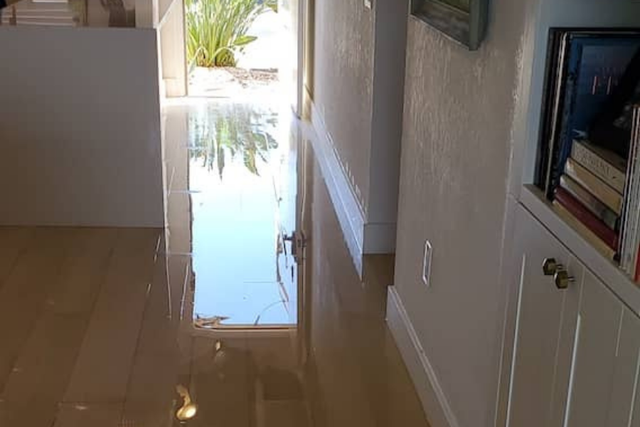
Why Dehumidification Becomes Necessary in Cocoa Following Hurricane Damage
In Cocoa, hurricane season is more than just a forecast—it’s a reality that homeowners prepare for every year. Strong winds, heavy rainfall, storm surge, and extended power outages all create conditions where moisture overwhelms residential structures. Even if your home avoids major flooding, hurricane damage often leaves behind a less visible but equally serious problem: trapped humidity.
After a hurricane passes through Cocoa and surrounding areas like Merritt Island, Melbourne, and Palm Bay, many homes feel damp long after standing water has been removed. Walls may look dry. Floors may appear intact. But inside structural materials, moisture can linger.
That’s where professional dehumidification becomes necessary—not optional.
What Happens to Homes During a Hurricane
Hurricanes introduce moisture into homes in multiple ways:
- Wind-driven rain penetrating siding and window seals
- Roof damage allowing water intrusion
- Floodwater entering through door thresholds
- Saturated soil increasing slab vapor transmission
- Prolonged power outages disabling AC systems
Even minor breaches can allow significant moisture into building materials.
In Cocoa, where the coastal climate already supports high humidity, hurricane conditions compound the problem. Water doesn’t just soak surfaces—it infiltrates insulation, framing, subfloors, and drywall.
Once that moisture is inside, it doesn’t leave easily.
Why Cocoa Homes Are Especially Vulnerable After Hurricanes
Cocoa’s location along Florida’s east coast creates unique moisture pressure after storms.
Coastal Saturation
Heavy rainfall combined with high water tables leads to prolonged soil saturation. Slab foundations may absorb ground moisture even without visible flooding.
Persistent Humidity
After hurricanes, outdoor humidity levels remain elevated for days or weeks. Natural evaporation slows dramatically.
Power Disruptions
Without air conditioning, indoor humidity rises quickly. Warm, stagnant air allows damp materials to remain wet.
Wind-Driven Water
Strong winds force rain into small structural gaps that might not leak during normal storms.
These factors mean that even homes that appear minimally affected can contain hidden dampness.
Common Signs After Hurricane Events
Cocoa homeowners often notice:
- Musty odors days after the storm
- Warped flooring
- Bubbling paint
- Damp drywall near baseboards
- Condensation on windows
- Indoor air feeling heavy or sticky
Sometimes the signs are subtle. Other times, they develop gradually over several weeks.
The real concern isn’t just what you see—it’s what remains wet behind walls and beneath flooring.
Hidden Moisture Following Hurricane Damage
After a hurricane, moisture frequently hides in:
Wall Cavities
Rainwater entering through small exterior gaps can saturate insulation.
Attics
Roof damage or wind-blown rain can dampen roof decking and trusses.
Beneath Flooring
Water can seep under tile, vinyl, or laminate surfaces.
Slab Foundations
Saturated soil increases vapor intrusion upward into interior flooring.
HVAC Systems
Ductwork exposed to moisture may develop internal condensation.
Without structured drying, these damp areas can remain for extended periods.
Why Surface Drying Isn’t Enough
After a storm, many property owners:
- Mop visible water
- Use household fans
- Open windows
- Run portable dehumidifiers
While helpful initially, these methods often fail to address deep structural moisture.
Surface dryness does not equal structural dryness.
In Florida’s humid climate, materials like drywall, insulation, and wood framing require controlled drying conditions to fully release absorbed moisture.
Without professional-grade dehumidification, moisture remains trapped.
The Role of Professional Dehumidification
Dehumidification removes moisture from the air, which encourages wet materials to release absorbed water.
In hurricane-affected Cocoa homes, professional dehumidification systems:
- Extract large volumes of moisture daily
- Stabilize indoor humidity levels
- Prevent condensation
- Support structural drying
- Reduce mold risk
Unlike small residential units, high-capacity dehumidifiers are designed to handle Florida’s extreme humidity levels.
Dehumidification works alongside air movers and moisture monitoring tools to ensure thorough drying.
How the Professional Drying Process Works
Following hurricane damage, professionals typically:
1. Conduct a Moisture Assessment
Using thermal imaging and moisture meters to map affected areas.
2. Establish Controlled Drying Zones
Sealing affected areas if necessary to optimize airflow.
3. Deploy High-Capacity Dehumidifiers
Reducing ambient humidity to encourage moisture release from materials.
4. Use Air Movers
Directing airflow across damp surfaces.
5. Monitor Moisture Levels Daily
Confirming that materials return to acceptable moisture content.
Companies like Inspections and More FL focus on measurable drying rather than guesswork, ensuring materials are truly dry before repairs begin.
Why Dehumidification Prevents Mold Growth
Mold requires moisture to grow. After hurricanes, conditions in Cocoa homes often provide:
- Warm temperatures
- High humidity
- Damp organic materials
Without dehumidification, mold can begin developing within 24–48 hours.
By lowering humidity levels and accelerating drying, dehumidification removes one of the key ingredients mold needs.
This proactive step helps avoid larger remediation projects later.
Long-Term Structural Protection
Moisture left untreated after hurricanes can lead to:
- Wood rot
- Drywall deterioration
- Insulation damage
- Corrosion of fasteners
- Flooring failure
Dehumidification supports:
- Preservation of framing
- Protection of subfloors
- Stabilization of interior finishes
- Improved indoor air quality
In Cocoa’s climate, drying thoroughly once is more effective than repeating partial repairs over time.
Preventing Recurring Moisture Issues After Hurricanes
Once drying is complete, homeowners can reduce future risk by:
- Inspecting roof systems annually
- Maintaining proper drainage around foundations
- Sealing exterior gaps
- Monitoring attic ventilation
- Keeping indoor humidity between 45–55%
- Scheduling post-storm moisture evaluations
Whole-home dehumidification systems may also be beneficial in coastal communities prone to frequent storms.
Why Local Experience Matters in Cocoa
Hurricane-related moisture behaves differently in Florida compared to other regions.
Professionals familiar with Cocoa, Merritt Island, Melbourne, Palm Bay, and Sanford understand:
- Local soil saturation patterns
- Coastal humidity cycles
- Slab foundation moisture behavior
- Common roof vulnerabilities
This regional knowledge allows faster detection and more accurate drying strategies.
Inspections and More FL works within these Florida-specific conditions, focusing on moisture stabilization before cosmetic repairs begin.
A Calm Next Step After Hurricane Damage
If your Cocoa home experienced hurricane exposure—even without obvious flooding—don’t assume drying is complete.
Moisture trapped inside structural materials can quietly cause damage weeks after the storm has passed.
Professional dehumidification provides controlled, measurable drying that protects your home’s structure, flooring, insulation, and air quality.
In Florida’s climate, moisture recovery requires more than time. With thorough evaluation and proper dehumidification, your home can return to stable, dry conditions and remain protected long after hurricane season ends.