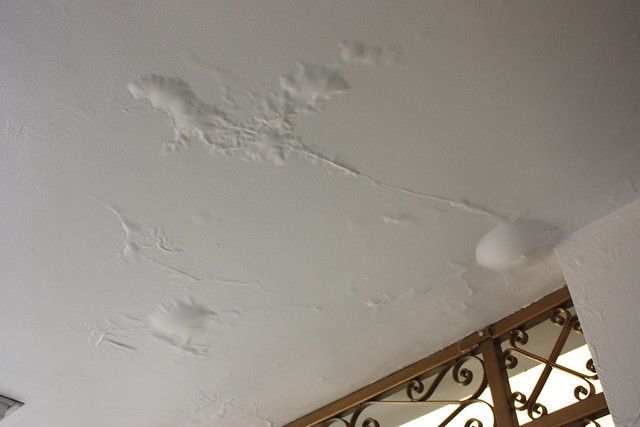
Why Thermal Imaging Inspections Become Necessary in Sanford in Older Florida Homes
Sanford has no shortage of older Florida homes. From established neighborhoods near downtown to properties tucked along tree-lined streets, many houses were built decades ago—long before modern moisture barriers, advanced insulation standards, and updated HVAC designs became common.
These homes have character. They also have vulnerabilities.
In Central Florida’s humid climate, older construction methods combined with years of wear make hidden moisture problems more likely. That’s why thermal imaging inspections have become increasingly necessary in Sanford’s aging housing stock.
Moisture rarely stays visible for long. In older homes, it often spreads behind walls, beneath flooring, and inside attic spaces before homeowners realize something is wrong.
The Core Issue in Older Florida Homes
Many older Sanford homes were built with:
- Minimal wall insulation
- Outdated vapor barriers
- Single-pane windows
- Aging plumbing systems
- Original roofing materials
- Older HVAC ductwork
Over time, materials expand, contract, and deteriorate. Small gaps develop. Flashing weakens. Drain lines clog. Roof penetrations shift.
When heavy rainstorms, high humidity, or AC condensation enter the picture, moisture finds those weak points.
The challenge? Much of that moisture remains hidden.
Why Sanford’s Climate Amplifies Hidden Moisture
Sanford’s environment increases stress on older structures.
High Year-Round Humidity
Warm, moist air places continuous pressure on building materials.
Frequent Storm Activity
Wind-driven rain penetrates small cracks and aging exterior seals.
Slab Foundations
Many older homes sit on slabs without modern moisture mitigation systems.
Attic Air Handlers
Older HVAC designs often place equipment in unconditioned attic spaces, increasing condensation risk.
Aging Plumbing
Copper or galvanized pipes may develop slow leaks inside walls.
In Florida, moisture doesn’t need a major event to become a problem. Small recurring exposure adds up.
Why Visual Inspections Aren’t Enough
In older homes, moisture often spreads invisibly.
Surface signs may appear only after internal materials have been damp for weeks or months.
Homeowners may notice:
- Musty odors
- Slight ceiling discoloration
- Peeling paint
- Warped flooring
- Soft drywall spots
But these signs often represent the final stage of moisture migration—not the beginning.
Thermal imaging inspections help identify hidden dampness before structural damage becomes severe.
How Thermal Imaging Works
Thermal imaging cameras detect temperature differences in building materials.
Moist areas tend to appear cooler than surrounding dry surfaces because of evaporative cooling. The infrared camera captures these subtle variations, revealing areas that may contain hidden moisture.
Thermal imaging does not directly see water. It identifies patterns that suggest dampness behind walls, under floors, or above ceilings.
In older Sanford homes, this technology is especially valuable for locating moisture without unnecessary demolition.
Common Problem Areas in Older Sanford Homes
Thermal imaging frequently identifies hidden moisture in:
Behind Exterior Walls
Where aging siding or stucco allows rain intrusion.
Under Hardwood or Tile Flooring
Where slab vapor transmission affects subfloors.
Around Window Frames
Older seals may fail, allowing slow infiltration.
In Attic Spaces
Roofing materials and flashing degrade over time.
Near Plumbing Runs
Original pipes may develop pinhole leaks.
Because these areas are concealed, traditional inspections often miss early-stage moisture issues.
Lessons Learned From Local Inspections
In Sanford’s older homes, recurring patterns appear during thermal evaluations.
Minor Roof Leaks Create Widespread Dampness
Water often travels along roof decking before surfacing in a different room.
Slab Vapor Is Underestimated
Older slabs without vapor barriers allow ongoing moisture migration.
HVAC Condensation Is Overlooked
Uninsulated ductwork in humid attics frequently contributes to hidden moisture.
Plumbing Leaks Go Undetected for Months
Small leaks behind walls may not show visible staining immediately.
Thermal imaging reveals these hidden patterns early—before extensive repairs are required.
Why Older Homes Require Proactive Detection
As building materials age, their resistance to moisture decreases.
Wood framing may become more porous. Sealants shrink. Caulking cracks. Insulation compresses.
Without early detection, moisture exposure leads to:
- Mold growth
- Wood rot
- Insulation deterioration
- Ceiling and drywall damage
- Flooring failure
Thermal imaging provides a non-invasive method to assess the condition of aging materials.
The Professional Inspection Process
A structured thermal inspection in Sanford typically includes:
Visual Assessment
Reviewing exterior grading, roofing, and interior signs.
Infrared Scanning
Systematically scanning walls, ceilings, floors, and slab edges.
Moisture Meter Verification
Confirming elevated readings in suspected areas.
Humidity Evaluation
Measuring indoor air moisture levels.
HVAC System Review
Checking duct insulation and condensate lines.
Companies such as Inspections and More FL combine infrared technology with physical moisture verification to ensure accurate diagnosis.
Thermal imaging identifies potential issues; moisture meters confirm them.
How Thermal Imaging Protects Older Homes
Early detection offers several benefits:
- Identifies hidden leaks
- Reduces unnecessary demolition
- Prevents mold growth
- Supports targeted repairs
- Preserves original materials
- Reduces long-term repair costs
In older Sanford homes, protecting structural framing and subfloors is especially important, as replacement materials may not match original construction methods.
Preventing Future Moisture Problems
Sanford homeowners can reduce risk by:
- Inspecting roofs annually
- Maintaining window and door seals
- Monitoring indoor humidity
- Servicing HVAC systems
- Checking attic ventilation
- Scheduling periodic moisture evaluations
Older homes benefit from proactive monitoring rather than reactive repairs.
Why Local Experience Matters
Moisture behavior in Sanford differs from drier regions.
Professionals familiar with Sanford, Cocoa, Palm Bay, Melbourne, and Merritt Island understand:
- Central Florida humidity cycles
- Common construction styles in older homes
- Slab vapor transmission patterns
- Storm-related infiltration points
Local knowledge allows faster identification of likely trouble spots.
Inspections and More FL works within these Florida-specific conditions, using thermal imaging to protect aging structures before visible damage appears.
A Practical Next Step for Sanford Homeowners
If you own an older home in Sanford and notice subtle signs—musty odors, slight warping, unexplained humidity—don’t wait for visible damage to escalate.
Thermal imaging inspections provide clarity without invasive demolition. They identify hidden moisture early and guide targeted repairs.
In Florida’s demanding climate, proactive detection protects structural integrity and preserves the character of older homes.
Addressing hidden moisture once—thoroughly—keeps your Sanford home stable, dry, and protected for years to come.