Why Thermal Imaging Inspections Become Necessary in Melbourne During Storm Season
Storm season in Melbourne isn’t just about heavy rain. It’s about sustained humidity, wind-driven water, soil saturation, and repeated moisture exposure over weeks at a time. Even homes and commercial buildings that avoid obvious flooding can develop hidden moisture problems during this period.
The challenge isn’t always the visible leak — it’s the moisture that spreads quietly behind walls, above ceilings, and beneath flooring. That’s why thermal imaging inspections become especially necessary during storm season in Melbourne.
In Florida’s coastal climate, moisture rarely dries quickly on its own. Early detection is what prevents small issues from becoming structural repairs.
What Storm Season Really Does to Melbourne Properties
Storm systems affect buildings in multiple ways:
- Wind-driven rain penetrates siding and flashing
- Roof systems flex under pressure
- Soil becomes saturated, increasing slab vapor pressure
- Gutters overflow, directing water toward foundations
- HVAC systems run continuously, increasing condensation
Even if no water is visibly dripping indoors, moisture may still be entering and spreading.
Storm season compounds minor vulnerabilities.
Why Visible Signs Appear Late
By the time you notice:
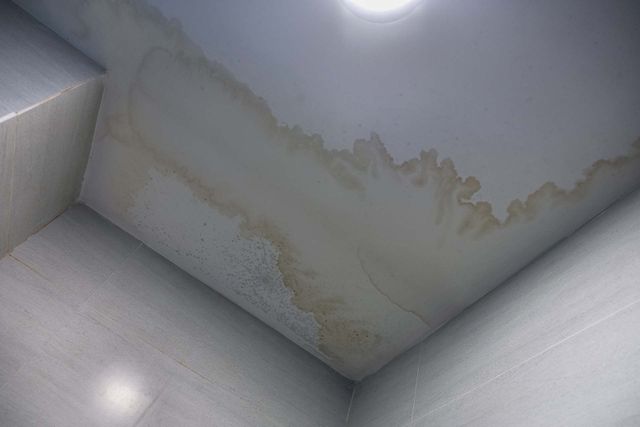
- Ceiling stains
- Bubbling paint
- Warped flooring
- Musty odors
moisture has often been present for days or weeks.
Water does not always travel straight down. It follows structural members, moves laterally through framing, and collects in concealed cavities.
Surface dryness can be misleading.
Thermal imaging helps detect dampness before visible symptoms appear.
How Thermal Imaging Works During Storm Season
Thermal imaging cameras detect infrared radiation — essentially heat patterns.
Moist materials behave differently than dry ones. Damp areas often appear cooler due to evaporative cooling.
During storm season, thermal imaging can:
- Identify hidden roof leaks
- Reveal moisture inside exterior walls
- Detect damp insulation in attics
- Locate water spread beneath flooring
- Map slab vapor intrusion zones
These temperature differences help professionals pinpoint where moisture is accumulating — even when surfaces look intact.
Thermal findings are typically confirmed with moisture meters to verify readings.
Companies such as Inspections and More FL use thermal imaging as part of a complete moisture detection process, especially during storm season when risks increase.
Why Melbourne’s Climate Makes Quick Detection Critical
Melbourne’s coastal environment intensifies storm-related moisture.
High Humidity
Outdoor air remains saturated even after rainfall stops.
Warm Temperatures
Heat accelerates mold growth when moisture lingers.
Repeated Rain Events
Back-to-back storms can reactivate partially dried materials.
Slab Foundations
Saturated soil increases vapor transmission into homes.
Moisture that remains for more than 24–48 hours can lead to microbial growth.
Thermal imaging allows action before mold remediation becomes necessary.
Common Storm-Season Moisture Zones
In Melbourne, thermal inspections frequently reveal dampness in:
- Attic roof decking after heavy rain
- Exterior wall cavities exposed to wind-driven water
- Ceiling cavities above commercial drop ceilings
- Flooring systems in slab homes
- Around window and door frames
- Mechanical rooms and HVAC closets
Because these areas are concealed, moisture may remain unnoticed without proper detection tools.
Why Waiting Increases Repair Costs
During storm season, delays in inspection can lead to:
- Mold remediation projects
- Insulation replacement
- Structural wood deterioration
- Ceiling damage
- Flooring removal
- Recurring humidity problems
Moisture spreads laterally. The longer it sits, the larger the affected footprint becomes.
Thermal imaging reduces uncertainty and limits demolition to necessary areas.
The Role of Structural Drying After Imaging
If hidden moisture is confirmed, controlled drying follows.
Professional drying may include:
- High-capacity dehumidifiers
- Air movers
- Removal of saturated insulation
- Containment if mold is suspected
- Ongoing moisture monitoring
Thermal imaging also helps confirm when drying is complete before reconstruction begins.
Measured drying prevents repeat issues.
Storm Season and Slab Vapor Intrusion
One often overlooked issue during Melbourne’s storm season is slab vapor transmission.
When soil becomes saturated:
- Vapor pressure increases beneath concrete
- Moisture migrates upward
- Flooring systems trap dampness
Thermal imaging helps detect slab-related moisture before boards warp or adhesives fail.
Without imaging, vapor issues may be misdiagnosed as simple humidity.
Preventing Storm-Season Moisture Damage
Melbourne property owners can reduce risk by:
- Scheduling thermal inspections after heavy storms
- Inspecting roofs annually
- Maintaining proper drainage
- Monitoring indoor humidity levels
- Checking attic spaces after rainfall
- Addressing minor leaks immediately
Proactive inspection is more effective than reactive repair.
Why Local Experience Matters
Storm behavior in Melbourne differs from inland regions.
Professionals familiar with Melbourne, Palm Bay, Cocoa, Merritt Island, and Sanford understand:
- Coastal wind-driven rain patterns
- Storm-season humidity cycles
- Slab vapor behavior
- Florida roofing systems
Local expertise ensures thermal imaging results are interpreted within Florida’s environmental conditions.
Inspections and More FL works within these coastal storm dynamics, focusing on early moisture detection before structural damage spreads.
A Practical Next Step
If your Melbourne property has experienced repeated rain, high winds, or prolonged humidity during storm season, a thermal imaging inspection provides clarity.
It identifies hidden moisture before mold develops and before materials deteriorate.
In Florida’s humid coastal climate, moisture doesn’t simply evaporate after the storm ends.
Early detection protects your structure, indoor air quality, and long-term property value.
Thermal imaging turns hidden moisture into visible information — and that’s what prevents larger problems later.