How Air Scrubbing Protects Properties in Palm Bay in Waterfront Homes
High humidity, salt-heavy air, wind-driven rain, and elevated water tables create ongoing pressure on indoor air quality. When moisture enters a home — whether through minor intrusion, condensation buildup, or storm exposure — airborne contaminants can increase quickly.
That’s where air scrubbing plays an important protective role.
In Palm Bay waterfront homes, air scrubbing is often part of a broader strategy to control airborne mold spores and stabilize indoor air during moisture events or remediation work.
Why Waterfront Homes in Palm Bay Face Higher Moisture Risk
Waterfront properties experience different environmental conditions than inland homes.
Elevated Humidity
Proximity to open water increases ambient moisture levels year-round.
Salt Air Exposure
Salt can accelerate material deterioration once moisture is present.
Storm-Driven Rain
Wind pushes water into small gaps around windows, doors, and rooflines.
Higher Ground Saturation
Soil remains damp longer after storms.
Continuous HVAC Operation
Air conditioning systems work harder to offset moisture.
These factors create ideal conditions for mold growth if moisture is not controlled quickly.
Even when visible water is removed, airborne spores may remain suspended in indoor air.
What Air Scrubbing Actually Does
Air scrubbing uses high-efficiency filtration equipment to continuously pull indoor air through advanced filters.
These systems:
- Capture airborne mold spores
- Remove fine dust and particulate matter
- Reduce musty odors
- Improve indoor air clarity
- Support containment during remediation
In waterfront homes, air scrubbing is often used:
- After hidden water intrusion
- During mold remediation
- Following hurricane or tropical storm exposure
- During structural dryouts
- When indoor air feels heavy or stale
It does not replace moisture correction — it supports it.
Why Air Scrubbing Is Especially Important After Storms
Palm Bay waterfront homes are exposed to strong coastal winds.
After a storm:
- Roof leaks may go unnoticed
- Attic insulation may become damp
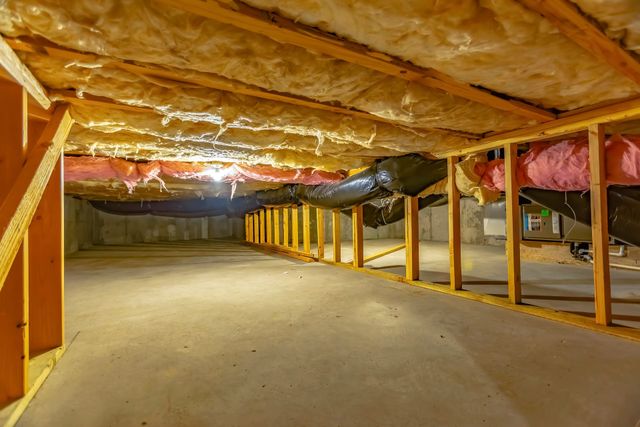
- Crawl spaces may retain ground moisture
- HVAC systems may spread humid air
When mold begins developing in hidden spaces, spores can circulate through air movement systems.
Air scrubbing captures those airborne contaminants while moisture is being corrected.
Without air scrubbing during remediation, spores can migrate to other areas of the home.
Hidden Areas Where Air Scrubbing Makes a Difference
In waterfront homes, contamination often originates from concealed spaces.
Attics
Moisture intrusion above ceilings releases airborne spores into living areas.
Crawl Spaces
Ground humidity can contribute to mold growth below flooring.
Wall Cavities
Minor intrusion around windows may remain damp.
HVAC Ductwork
Condensation combined with humidity increases spore circulation.
Air scrubbing reduces airborne contamination while these areas are inspected and treated.
How Professionals Approach Air Scrubbing in Waterfront Homes
Air scrubbing requires strategic placement and environmental control.
Professionals typically:
1. Identify Moisture Sources
Before air scrubbing begins, intrusion points are located.
2. Establish Containment Zones
Affected areas are isolated to prevent cross-contamination.
3. Position Equipment Strategically
Air scrubbers are placed to optimize airflow patterns.
4. Pair With Dehumidification
Lowering humidity improves filtration effectiveness.
5. Monitor Air Quality
Ensuring airborne particulate levels decrease during the process.
Companies like Inspections and More FL approach air scrubbing as part of a structured moisture management plan, especially in high-humidity waterfront environments.
Structural Protection Through Air Control
While air scrubbing focuses on airborne contaminants, it indirectly protects structural components.
By reducing spore circulation:
- Mold colonization in new areas is minimized
- Cross-contamination risk is reduced
- Indoor air remains stable during drying
- Remediation is more controlled
In Palm Bay’s humid climate, reducing airborne spread helps contain mold issues before they expand.
Why Surface Cleaning Isn’t Enough
Homeowners sometimes attempt to improve indoor air by:
- Opening windows
- Running ceiling fans
- Using small household purifiers
In high-humidity environments, opening windows may increase moisture.
Standard home purifiers often lack the filtration capacity needed during remediation.
Professional air scrubbers are designed to handle higher particulate loads — particularly during active drying and mold removal.
Long-Term Prevention in Waterfront Homes
Air scrubbing is often part of a temporary remediation phase, but long-term protection requires ongoing moisture management.
Waterfront homeowners in Palm Bay can reduce risk by:
Monitoring Indoor Humidity
Maintain levels between 45–55%.
Inspecting Roofs After Storms
Wind-driven rain can create small gaps.
Servicing HVAC Systems Annually
Ensure proper drainage and airflow balance.
Checking Crawl Spaces Regularly
Look for signs of dampness.
Installing Proper Vapor Barriers
Limit ground moisture migration.
Homes in Cocoa, Melbourne, Merritt Island, and Sanford face similar humidity patterns, but waterfront exposure increases overall moisture load.
Why Local Experience Matters
Air scrubbing strategies must reflect local climate behavior.
Professionals familiar with Palm Bay waterfront homes understand:
- Coastal humidity cycles
- Storm-driven intrusion patterns
- Slab and crawl space moisture behavior
- Salt air material impact
- HVAC strain in humid conditions
Inspections and More FL integrates air scrubbing into broader remediation and prevention strategies designed specifically for Florida’s coastal conditions.
That local knowledge ensures the process supports structural protection — not just temporary odor improvement.
Protecting Indoor Air in a Coastal Climate
Waterfront living in Palm Bay means constant moisture exposure.
When humidity rises or hidden water intrusion occurs, airborne mold spores can increase quickly.
Air scrubbing protects properties by:
- Reducing airborne contamination
- Supporting safe mold remediation
- Stabilizing indoor air quality
- Limiting spore spread during drying
In Florida’s humid environment, controlling both moisture and air quality is essential.
With proper detection, controlled remediation, and strategic air scrubbing, waterfront homes can remain structurally sound and environmentally stable — even during the most humid seasons.