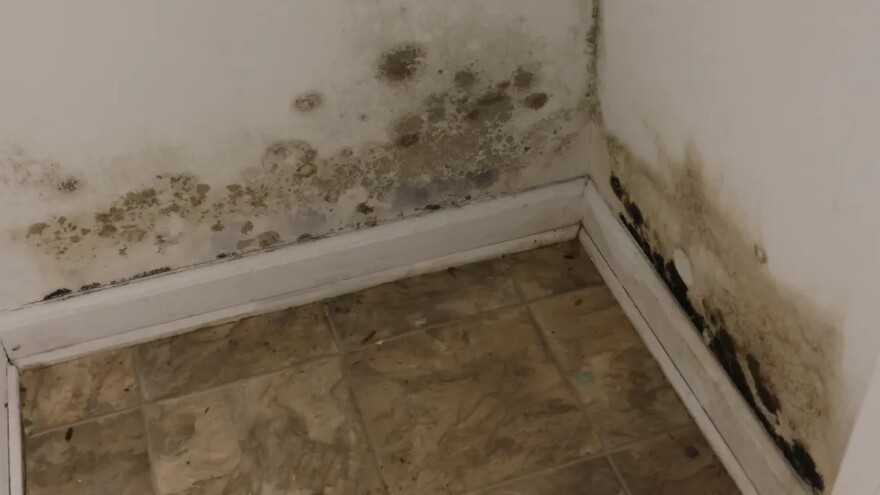
Why Mold Removal Becomes Necessary in Merritt Island in Waterfront Homes
Waterfront living in Merritt Island offers beautiful views, cooling breezes, and easy access to the Indian River and Banana River. But those same waterways that make the location desirable also create constant moisture exposure.
In waterfront homes, humidity is not seasonal — it’s persistent. And when moisture finds its way into structural spaces, mold removal often becomes necessary.
In Merritt Island’s coastal climate, mold isn’t always the result of dramatic flooding. It frequently begins with slow, hidden moisture accumulation. Understanding why this happens — and why proper removal matters — helps protect both structure and indoor air quality.
Why Waterfront Homes Face Higher Mold Risk
Waterfront properties deal with environmental conditions that inland homes don’t.
Elevated Humidity Year-Round
Proximity to open water increases ambient moisture levels.
Wind-Driven Rain
Coastal winds push rain into small openings around roofs, windows, and siding.
Salt Air Exposure
Salt accelerates deterioration of exterior materials and flashing.
High Water Tables
Ground saturation increases crawl space and slab moisture pressure.
Continuous AC Operation
Air conditioning systems run long cycles, increasing condensation potential.
When these factors combine, structural materials stay damp longer — creating ideal conditions for mold growth.
Common Moisture Sources in Merritt Island Waterfront Homes
Mold removal often becomes necessary after moisture goes unnoticed.
Frequent sources include:
Attic Intrusion
Storm-driven rain enters through damaged shingles or flashing.
Crawl Space Humidity
Ground moisture rises into joists and subfloors.
Window Seal Failures
Salt exposure weakens seals over time.
HVAC Condensation
Clogged drain lines or sweating ducts introduce moisture into enclosed areas.
Minor Plumbing Leaks
Slow drips inside walls remain hidden.
Because humidity slows evaporation, even small moisture events can lead to mold colonization.
Early Signs Mold May Be Developing
Waterfront homeowners in Merritt Island often notice subtle warning signs first.
- Musty or earthy odors
- Slight ceiling staining
- Warped baseboards
- Elevated indoor humidity
- Visible discoloration in corners
- Allergy-like symptoms
By the time these signs appear, mold may already be growing behind drywall or beneath flooring.
Early detection reduces the scope of removal.
Hidden Areas Where Mold Grows in Waterfront Homes
Mold rarely begins in open spaces. It thrives in concealed areas.
Attic Insulation
Wind-driven rain may soak insulation before stains appear below.
Roof Decking
Repeated storm exposure allows slow moisture accumulation.
Crawl Spaces
High water tables increase humidity beneath the home.
Under Hardwood Flooring
Moisture trapped between layers creates growth conditions.
Inside Wall Cavities
Water migrates downward through framing channels.
Without professional inspection, these areas remain untreated.
Why Surface Cleaning Doesn’t Solve the Problem
When homeowners see small patches of mold, they often attempt:
- Wiping with household cleaners
- Painting over stains
- Running fans
- Using small dehumidifiers
These methods do not eliminate moisture trapped in structural materials.
Bleach does not penetrate porous wood or drywall. Surface cleaning leaves damp framing behind.
True mold removal requires:
- Identifying moisture sources
- Removing contaminated materials when necessary
- Drying structural components
- Stabilizing indoor humidity
Without these steps, mold returns.
The Professional Mold Removal Process
In Merritt Island waterfront homes, structured remediation typically includes:
1. Moisture Detection
Using moisture meters and thermal imaging to locate hidden damp zones.
2. Source Correction
Repairing roof gaps, drainage issues, or condensation leaks.
3. Containment
Preventing spore spread during removal.
4. Air Scrubbing
Filtering airborne contaminants.
5. Removal of Contaminated Materials
Safely removing drywall or insulation if saturated.
6. Structural Drying
Using industrial dehumidifiers and air movers.
7. Anti-Microbial Treatment
Reducing regrowth risk.
8. Verification
Confirming moisture levels return to safe thresholds.
Companies like Inspections and More FL approach waterfront mold removal with attention to long-term moisture control — not just surface cleanup.
Structural Risks If Mold Removal Is Delayed
In coastal environments, moisture damage progresses quickly.
Left untreated, mold-related moisture can cause:
- Wood rot in framing
- Subfloor deterioration
- Ceiling sagging
- Insulation collapse
- Fastener corrosion
- Expanded contamination
Salt-heavy air accelerates corrosion once materials are damp.
Early removal limits structural repair costs.
Why Mold Issues Often Repeat in Waterfront Homes
Recurring mold typically results from:
- Incomplete moisture correction
- Unrepaired roof damage
- Persistent crawl space humidity
- HVAC imbalance
- Poor ventilation
Merritt Island’s constant humidity means moisture management must be ongoing.
If the source isn’t addressed fully, mold removal becomes a recurring expense.
Preventing Mold in Merritt Island Waterfront Properties
Long-term prevention strategies include:
Inspect Roofs After Storms
Wind-driven rain can create small but significant gaps.
Monitor Indoor Humidity
Maintain 45–55% relative humidity.
Evaluate Crawl Spaces Annually
Look for damp joists or insulation.
Service HVAC Systems Regularly
Ensure condensate drains function properly.
Improve Exterior Drainage
Direct water away from the foundation.
Schedule Periodic Moisture Inspections
Especially during hurricane season.
Homes in Cocoa, Palm Bay, Melbourne, and Sanford face similar moisture pressures, but waterfront exposure increases overall risk.
Why Local Experience Matters
Mold removal in Merritt Island waterfront homes requires regional knowledge.
Professionals familiar with the area understand:
- Coastal wind-driven rain patterns
- High water table behavior
- Salt air material impact
- Slab and crawl space moisture migration
- Seasonal humidity fluctuations
Inspections and More FL integrates this local insight into every remediation plan, ensuring moisture correction supports long-term structural protection.
Protecting Waterfront Homes from Ongoing Moisture
Living on the water means constant environmental exposure.
When hidden moisture enters structural spaces, mold removal becomes necessary to protect framing, subfloors, insulation, and indoor air quality.
Early detection and proper remediation prevent minor moisture events from becoming structural repairs.
In Merritt Island’s coastal climate, mold removal isn’t just about cleaning visible growth — it’s about correcting moisture conditions that drive it.
Proactive moisture management protects both your home and your investment for years to come.