
How Moisture Detection Protects Properties in Melbourne Rental Properties
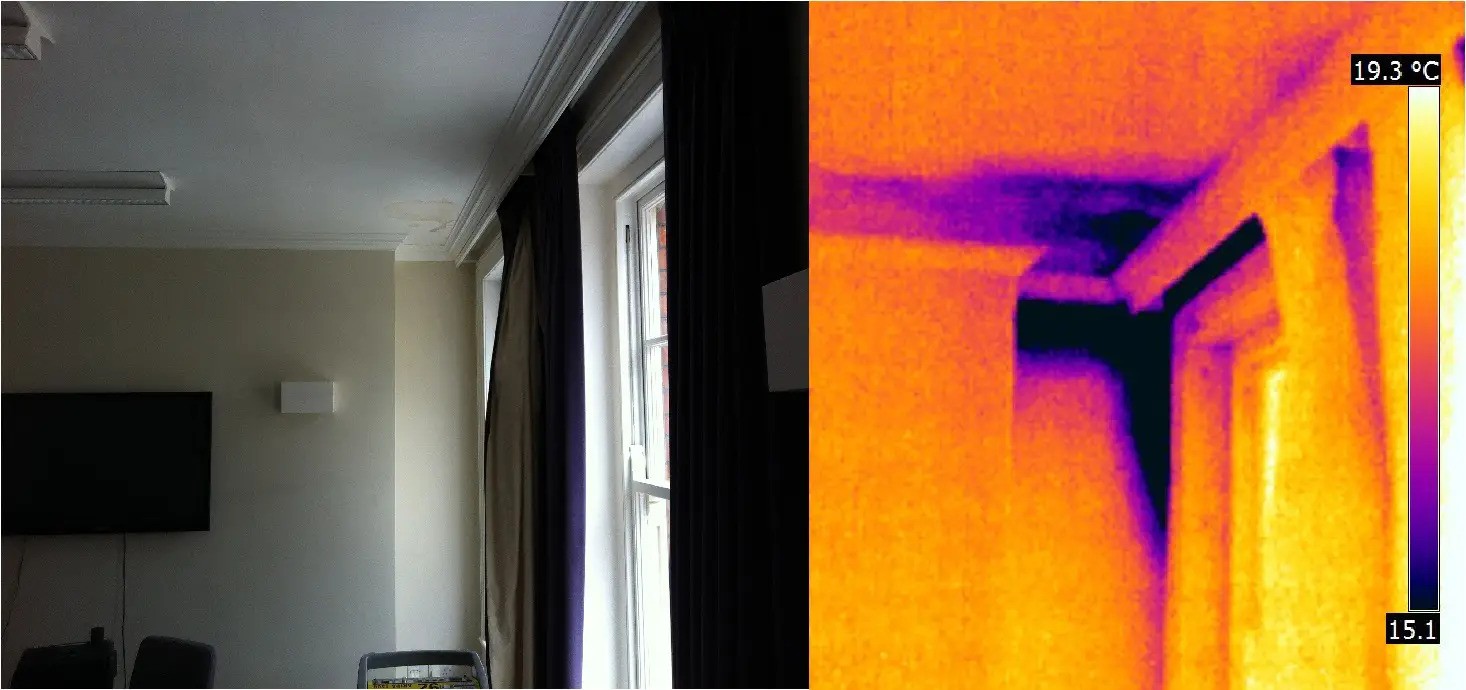
Rental properties in Melbourne face a unique challenge that many landlords underestimate: hidden moisture.
Between year-round humidity, coastal air, sudden downpours, and constant air conditioning use, moisture doesn’t need a major storm to become a serious issue. In many cases, it builds quietly behind walls, under flooring, or above ceilings — long before visible damage appears.
For rental property owners and property managers in Melbourne, moisture detection isn’t just a maintenance step. It’s protection for the structure, the tenant experience, and long-term property value.
Let’s take a closer look at why moisture detection plays such a critical role in protecting rental homes throughout Melbourne and nearby areas.
Understanding the Moisture Risk in Melbourne Rentals
Melbourne sits along Florida’s Space Coast, which means:
- High humidity most of the year
- Frequent afternoon storms
- Salt air exposure
- Elevated water tables
- Heavy AC system usage
Rental homes — especially single-family houses and duplexes — often experience higher wear than owner-occupied properties. Tenants may not immediately report small leaks. Minor plumbing drips can continue for weeks. AC drain lines can clog unnoticed.
In slab foundation homes common throughout Melbourne neighborhoods, moisture can migrate upward through concrete. In raised homes with crawl spaces, ground humidity can rise beneath the flooring.
Moisture detection helps identify these issues before they turn into mold remediation projects or structural repairs.
What Moisture Detection Really Means
Moisture detection is not guesswork. It’s a systematic evaluation using specialized tools to identify abnormal moisture levels inside building materials.
Professional detection typically includes:
- Surface and penetrating moisture meters
- Thermal imaging cameras
- Visual inspection of high-risk areas
- Evaluation of HVAC systems and ductwork
- Inspection of plumbing connections
These tools allow technicians to detect moisture inside drywall, subflooring, insulation, ceilings, and behind cabinets — even when nothing is visible on the surface.
In rental properties, early detection can prevent disputes, damage claims, and costly downtime between tenants.
Why Moisture Problems Develop So Easily in Melbourne
Melbourne’s climate creates perfect conditions for hidden moisture.
1. Persistent Humidity
Even when it’s not raining, outdoor humidity levels remain high. That moisture enters homes through vents, small cracks, and normal air exchange.
2. AC Condensation
Air conditioning systems run heavily in rental homes. If drain lines clog or ducts sweat in attic spaces, moisture accumulates quickly.
3. Heavy Rain Events
Short but intense storms overwhelm gutters and drainage systems. Small roof leaks can go unnoticed until stains appear weeks later.
4. Salt Air Corrosion
Coastal air accelerates wear on metal components, including HVAC parts and fasteners. Over time, this can create small failures that allow moisture intrusion.
5. Tenant Turnover Gaps
Vacant rental homes sometimes sit without climate control between tenants, allowing humidity to build up indoors.
All of these factors combine to create hidden moisture risks that require active monitoring.
Early Warning Signs in Rental Properties
Property owners often first notice subtle changes, such as:
- Musty odors after rain
- Minor ceiling discoloration
- Slight floor cupping
- Paint bubbling
- Increased indoor humidity
- Tenants reporting allergy-like symptoms
- AC units running longer than normal
By the time visible mold appears, moisture has usually been present for weeks or months.
Moisture detection identifies the issue during the early stage — when repairs are still simple.
Hidden Areas Where Moisture Commonly Lingers
In Melbourne rental properties, some areas consistently show elevated moisture levels:
- Behind bathroom walls
- Under kitchen sinks
- Around water heaters
- Beneath hardwood or laminate flooring
- Inside attic insulation
- Around window frames
- Inside HVAC closets
- Along slab edges in ground-level homes
Without detection tools, these areas often appear completely normal from the outside.
That’s why routine evaluation matters, especially after storms or plumbing repairs.
Why DIY Monitoring Isn’t Enough
Landlords sometimes rely on visual checks or tenant reports. While helpful, those methods have limits.
Tenants may not notice slow leaks. Surface stains may not appear until moisture has spread. Small mold spots may be wiped away without addressing the source.
DIY moisture meters available at hardware stores also lack the accuracy and depth required to detect structural moisture patterns.
Professional equipment can measure moisture content inside building materials and compare readings to baseline standards, providing clear evidence of whether conditions are safe or elevated.
Skipping detection increases the risk of larger remediation costs later.
How Moisture Detection Protects Structural Integrity
Wood framing in Melbourne homes absorbs moisture easily. If elevated moisture persists:
- Subflooring weakens
- Floor joists deteriorate
- Drywall softens
- Insulation loses effectiveness
- Paint begins to peel
- Cabinets swell
- Doors and windows misalign
Moisture detection prevents these structural problems from progressing.
In rental properties, this protection preserves resale value and reduces long-term maintenance costs.
Preventing Mold Remediation Through Early Detection
Mold requires three things:
- Organic material
- Moisture
- Warmth
Melbourne provides warmth year-round. Organic materials exist in every home. That leaves moisture as the controllable factor.
By detecting moisture early and correcting it quickly, landlords prevent mold growth from ever becoming established.
This eliminates:
- Tenant complaints
- Liability concerns
- Costly containment procedures
- Extended vacancy periods
- Insurance complications
Companies like Inspections and More FL emphasize moisture detection as a preventative service, not just a response to visible mold.
The Role of Thermal Imaging in Rental Properties
Thermal imaging cameras are especially valuable in Melbourne rentals.
They detect temperature differences that suggest hidden moisture pockets. For example:
- Cooler areas behind drywall
- Wet insulation in attic spaces
- Moisture accumulation beneath flooring
- Damp spots around plumbing lines
This technology allows inspection without tearing into walls unnecessarily.
For landlords, that means faster answers and minimal disruption to tenants.
Moisture Control Strategies After Detection
If elevated moisture is found, the correction process may include:
- Fixing plumbing leaks
- Cleaning AC drain lines
- Improving attic ventilation
- Installing dehumidifiers
- Sealing exterior gaps
- Upgrading vapor barriers
- Improving exterior grading
In some cases, targeted drying equipment may be used to restore safe moisture levels quickly.
The key is identifying the issue early, before remediation becomes necessary.
Why Local Melbourne Experience Matters
Moisture behaves differently in Florida than in other states.
Technicians familiar with Melbourne understand:
- How coastal humidity affects slab foundations
- How seasonal rain patterns impact crawl spaces
- How AC systems perform in prolonged heat
- How salt air accelerates wear
- How quickly hidden moisture spreads in Florida framing materials
Local knowledge leads to faster diagnosis and more accurate solutions.
Inspections and More FL has worked extensively throughout Melbourne and nearby communities, understanding how rental properties respond to Florida’s climate pressures.
That local experience makes moisture detection more precise and more preventative.
When Rental Property Owners Should Schedule Moisture Detection
Moisture detection should be considered:
- After heavy rain or storms
- After plumbing repairs
- Between tenant turnovers
- When humidity feels elevated
- If musty odors develop
- Before listing the property for sale
- As part of annual property maintenance
Waiting for visible damage is rarely the best approach in Florida.
Early evaluation protects both the building and the investment.
Protecting Rental Investments Long-Term
Rental properties in Melbourne face constant environmental pressure from humidity and storms. Moisture doesn’t always show itself immediately, but it always leaves clues.
Moisture detection provides clarity.
It allows landlords and property managers to address small issues before they grow into structural damage or mold remediation projects.
In Florida’s climate, moisture control isn’t optional — it’s ongoing.
By making moisture detection part of regular rental property maintenance, Melbourne property owners protect:
- Structural integrity
- Indoor air quality
- Tenant satisfaction
- Property value
- Long-term profitability
The earlier moisture is found, the easier it is to correct.
And in Melbourne’s humid environment, that proactive approach makes all the difference.
