
Mold Removal in Cocoa When Indoor Air Feels Damp: Lessons Learned from Local Cases
If you live in Cocoa and the indoor air starts to feel damp — even with the AC running — that heavy, sticky feeling is usually telling you something.
In Florida, damp air indoors is rarely “just humidity.” It’s often the early stage of hidden moisture buildup. And when that moisture lingers, mold removal becomes necessary sooner than most homeowners expect.
Over the years, local cases throughout Cocoa have shown a clear pattern: when indoor air feels damp and the cause isn’t addressed quickly, mold follows. Let’s walk through what typically happens, why it happens here so often, and what lessons homeowners can take from real local situations.
What “Damp Air” Usually Means in Cocoa Homes
When homeowners describe indoor air as damp, they often mention:
- The air feeling heavy or sticky
- Floors slightly cool or tacky
- Windows fogging up
- Musty odors developing
- AC running longer but comfort not improving
In Cocoa’s humid coastal climate, outdoor moisture constantly presses against the home. When ventilation is limited or hidden leaks exist, that moisture migrates indoors.
Damp air means the home’s humidity balance is off.
And when humidity stays elevated above safe levels (typically over 60%), mold spores have the perfect environment to activate.
Lesson #1: The Source Is Often Hidden
One common pattern in Cocoa homes is that mold growth isn’t immediately visible.
In several local cases, damp indoor air traced back to:
- Slow plumbing leaks under sinks
- AC drain line clogs
- Condensation around attic ductwork
- Crawl space humidity rising into subflooring
- Minor roof leaks after heavy storms
By the time visible mold appeared on baseboards or ceilings, moisture had already been present for weeks.
The lesson? If indoor air feels damp for more than a few days, it’s worth investigating.
Lesson #2: AC Systems Can Contribute to the Problem
Cocoa homes rely heavily on air conditioning. But when AC systems malfunction, they can add moisture instead of removing it.
Local mold removal cases often reveal:
- Blocked condensate lines causing overflow
- Rusted drain pans leaking slowly
- Poor duct insulation causing sweating
- Oversized AC units that cool quickly but don’t dehumidify properly
In Florida’s climate, dehumidification is just as important as cooling.
When AC condensation isn’t draining properly, surrounding drywall and insulation absorb moisture silently.
Over time, that leads to mold growth inside wall cavities and attic spaces.
Lesson #3: Slab Foundations Trap Moisture
Many Cocoa homes sit on slab foundations.
After heavy rain, groundwater levels rise. Moisture can migrate upward through concrete, especially if vapor barriers are aging or compromised.
In damp-air cases, inspectors often find:
- Elevated moisture along floor edges
- Minor cupping in hardwood flooring
- Damp baseboards
- Mold forming behind trim
Because slab moisture moves slowly, homeowners may not notice obvious water intrusion — just that persistent humid feeling indoors.
Without proper drying and mold removal, damage spreads gradually.
Lesson #4: Crawl Spaces Are Often Overlooked
Raised homes in Cocoa frequently experience crawl space humidity problems.
Ground vapor rises from exposed soil. If vapor barriers are damaged or missing, moisture enters the structure from below.
Several local cases have shown:
- Mold on subflooring
- Musty air traveling upward into living areas
- Elevated humidity throughout the home
Homeowners often try surface cleaning upstairs, not realizing the moisture source is beneath their floors.
Addressing crawl space moisture early can prevent full mold remediation later.
Lesson #5: Surface Cleaning Doesn’t Solve Structural Mold
A common mistake in Cocoa homes is assuming visible mold is the entire problem.
Homeowners sometimes:
- Spray bleach
- Repaint stained ceilings
- Replace drywall without drying
- Use deodorizers to mask odors
These steps may temporarily improve appearance, but they don’t remove the root moisture.
In nearly every local mold removal case tied to damp air, the real issue was trapped moisture inside structural materials.
True mold removal requires:
- Identifying the moisture source
- Removing contaminated materials
- Cleaning structural framing
- Stabilizing humidity levels
- Preventing recurrence
Without these steps, mold returns.
How Professional Mold Removal Is Handled in Cocoa
When indoor air feels damp and mold is confirmed, a proper process typically includes:
Thorough Inspection
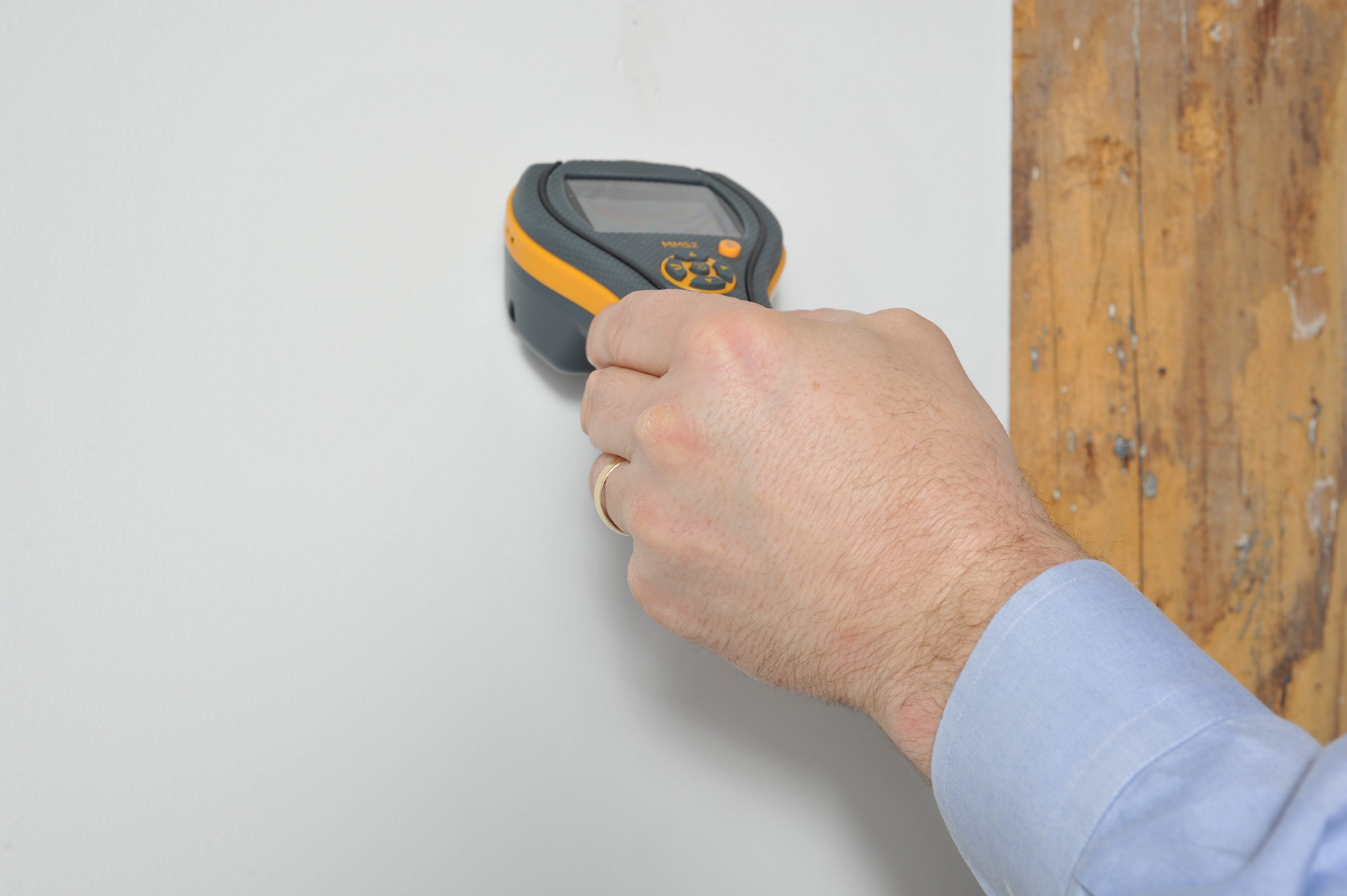
Using moisture meters and thermal imaging to identify hidden damp areas.
Containment
Isolating affected areas to prevent spores from spreading.
HEPA Air Scrubbing
Filtering airborne spores during remediation.
Safe Mold Removal
Removing contaminated drywall, insulation, or other porous materials.
Structural Cleaning
Treating framing and surfaces to eliminate residual growth.
Drying & Dehumidification
Installing air movers and dehumidifiers to stabilize moisture.
Source Correction
Repairing plumbing, AC components, drainage issues, or ventilation problems.
Companies familiar with Cocoa’s climate, like Inspections and More FL, emphasize correcting the moisture imbalance first — otherwise mold removal is incomplete.
Lesson #6: Timing Matters in Florida
In Cocoa’s warm climate, mold can begin developing within 24–48 hours after moisture exposure.
Waiting weeks while indoor air feels damp significantly increases remediation scope.
Local cases consistently show:
- Early action = minor cleaning and drying
- Delayed action = material removal and containment
The faster moisture is stabilized, the less invasive mold removal becomes.
Lesson #7: Humidity Monitoring Prevents Recurrence
After mold removal, prevention becomes the focus.
Homeowners in Cocoa who successfully avoid repeat issues typically:
- Monitor indoor humidity (45–55% ideal)
- Maintain AC systems regularly
- Flush condensate lines
- Inspect attics annually
- Check crawl spaces after heavy rain
- Address minor leaks immediately
Damp indoor air should never be ignored in Florida.
It’s usually an early signal that moisture control needs attention.
Why Local Experience Matters in Cocoa
Mold removal in Florida isn’t the same as in dry climates.
Professionals familiar with Cocoa understand:
- How coastal humidity behaves
- How slab foundations retain moisture
- How AC condensation impacts insulation
- How fast mold spreads in warm environments
- How older Florida homes were constructed
Local knowledge leads to faster diagnosis and more accurate moisture correction.
Inspections and More FL has seen firsthand how damp indoor air turns into structural mold when early signs are overlooked.
Experience in this specific climate makes a measurable difference.
When to Schedule an Evaluation
If your Cocoa home feels persistently damp, or if you notice:
- Musty odors
- Visible mold spots
- Ceiling discoloration
- Elevated indoor humidity
- AC drainage issues
…it’s time for a professional evaluation.
Indoor air should not feel heavy or humid when your AC is functioning properly.
Early moisture detection prevents full-scale mold removal.
Protecting Cocoa Homes Long-Term
Damp indoor air in Cocoa is rarely random.
It’s usually a sign that moisture is accumulating somewhere inside the structure.
Local cases repeatedly show that addressing moisture early protects:
- Structural framing
- Flooring systems
- Insulation
- Indoor air quality
- Property value
Mold removal becomes necessary when moisture is ignored.
But when homeowners respond quickly — investigating damp air, correcting the source, and stabilizing humidity — larger remediation can often be avoided.
In Florida’s climate, moisture control is ongoing. Listening to the early warning signs makes all the difference.
