
Why Mold Removal Becomes Necessary in Cocoa After Flooding Events
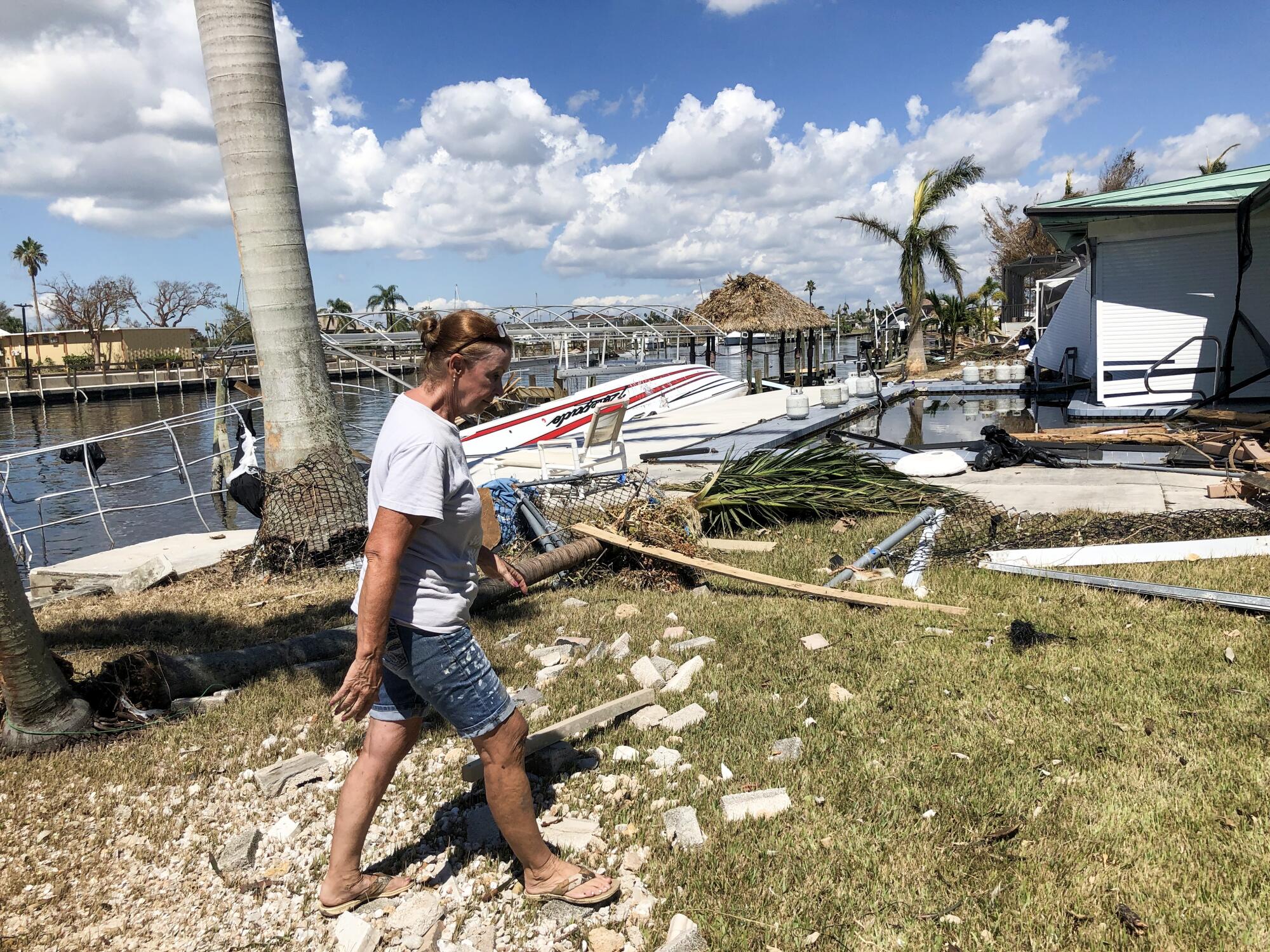
Flooding in Cocoa is not unusual. Between heavy summer storms, tropical systems, and saturated ground during peak rainy season, many homes experience water intrusion at some point.
What often catches homeowners off guard is how quickly mold removal becomes necessary afterward.
In Florida’s warm, humid climate, floodwater doesn’t just dry up and disappear. It penetrates materials, lingers inside structures, and creates ideal conditions for mold growth. By the time musty odors or visible staining appear, contamination may already be established.
Let’s break down why mold removal becomes necessary so often in Cocoa after flooding events — and why fast, thorough action makes the difference.
Floodwater in Florida Homes Is More Than Surface Deep
When water enters a Cocoa home during a storm or drainage failure, it spreads far beyond what you see.
Floodwater seeps into:
- Drywall
- Insulation
- Baseboards
- Subflooring
- Cabinet framing
- Door frames
- Slab edges
- Crawl spaces
Even if standing water is removed quickly, moisture continues moving into porous materials.
Because Cocoa’s air is already humid, natural evaporation happens slowly. That gives mold spores the time they need to activate.
Florida’s Climate Accelerates Mold Growth
Mold needs three basic elements:
- Moisture
- Warmth
- Organic material
Cocoa provides warmth year-round. Organic materials exist throughout the home — wood framing, drywall paper backing, insulation, dust.
After flooding, moisture is the final ingredient.
In Florida conditions, mold can begin forming within 24–48 hours of water exposure. That’s much faster than many homeowners expect.
Once growth begins inside walls or beneath flooring, mold removal becomes necessary to protect structural materials and indoor air quality.
Slab Foundations Trap Moisture After Flooding
Many Cocoa homes are built on concrete slabs.
Concrete is porous. When floodwater covers the floor, the slab absorbs moisture. Even after visible water is gone, the slab can remain damp for weeks.
That retained moisture can migrate upward into:
- New flooring installations
- Baseboards
- Lower drywall
- Carpet padding
Homeowners sometimes believe mold is “coming back,” when in reality the slab never fully dried.
Without proper moisture detection and structural drying, mold removal becomes a repeated necessity.
Crawl Spaces Add Another Layer of Risk
Raised homes in Cocoa often have crawl spaces beneath them.
After heavy rain, groundwater levels rise. Flooding doesn’t need to enter the living space to create mold risk. Saturated soil beneath the home releases humidity upward.
If vapor barriers are damaged or missing, moisture rises into:
- Subflooring
- Floor joists
- Insulation
That dampness can spread upward into interior rooms, creating musty air and hidden contamination.
Flood-related mold removal often involves addressing both interior damage and crawl space moisture.
Hidden Moisture Is the Real Problem
One of the main reasons mold removal becomes necessary after flooding is incomplete drying.
Homeowners frequently:
- Mop floors
- Remove wet carpet
- Replace damaged drywall
- Run household fans
But without moisture meters or thermal imaging, hidden damp areas go undetected.
Moisture trapped behind walls, inside insulation, or under cabinets creates ideal mold conditions even if surfaces appear dry.
In Cocoa’s humid climate, hidden moisture rarely resolves without professional drying equipment.
HVAC Systems Can Spread Post-Flood Contamination
After flooding, AC systems continue operating.
If moisture affects:
- Duct insulation
- Air handler platforms
- Return air cavities
…mold spores may circulate throughout the home.
Because AC systems run constantly in Cocoa’s heat, contamination spreads quickly if not properly contained.
Professional mold removal includes evaluating HVAC components to prevent cross-contamination.
Why Mold Removal Is Often Inevitable After Flooding
Not all flooding results in mold. But when:
- Water sits for more than 24–48 hours
- Insulation becomes saturated
- Drywall absorbs moisture
- Humidity remains elevated
- Structural drying is delayed
…mold removal becomes necessary.
Porous materials like insulation and lower drywall often cannot be salvaged once contaminated.
The longer moisture remains, the more invasive remediation becomes.
What Proper Mold Removal Involves
In Cocoa homes, effective post-flood mold removal typically includes:
Moisture Assessment
Using professional tools to locate hidden damp areas.
Containment
Preventing mold spores from spreading to unaffected rooms.
Removal of Contaminated Materials
Safely removing saturated insulation and damaged drywall.
HEPA Air Scrubbing
Filtering airborne spores during remediation.
Structural Cleaning
Treating framing and surfaces thoroughly.
Controlled Drying
Using air movers and commercial dehumidifiers to stabilize moisture.
Source Correction
Improving drainage, sealing entry points, or upgrading vapor barriers.
Companies experienced in Cocoa’s climate, like Inspections and More FL, understand that drying must be complete before reconstruction begins.
Skipping that step often leads to recurring mold.
Why Timing Matters in Cocoa
Florida’s storm season creates narrow response windows.
Waiting several days after flooding increases the likelihood that mold will establish itself.
Early intervention reduces:
- Material removal
- Containment scope
- Indoor air disruption
- Long-term repair costs
Flood recovery is not just about water removal — it’s about moisture stabilization.
Preventing Mold After Future Flooding Events
While storms can’t be prevented, preparation helps.
Cocoa homeowners can reduce risk by:
- Maintaining gutters and drainage systems
- Inspecting roof seals annually
- Installing or upgrading vapor barriers
- Monitoring indoor humidity levels
- Scheduling post-storm inspections
- Servicing AC systems regularly
Moisture control is ongoing in Florida.
Why Local Experience Matters
Flooding in Cocoa behaves differently than in inland states.
Local professionals understand:
- How high water tables influence slab moisture
- How coastal humidity slows drying
- How quickly insulation becomes contaminated
- How storm patterns impact neighborhoods differently
- How Florida building materials respond to water exposure
Inspections and More FL has worked extensively in Cocoa properties following storm-related flooding, recognizing patterns unique to this area.
That local knowledge ensures mold removal addresses both contamination and moisture stabilization.
When to Schedule an Evaluation
After any flooding event, schedule a professional evaluation if you notice:
- Musty odors
- Discoloration along baseboards
- Elevated humidity indoors
- Warped flooring
- AC performance changes
- Ceiling or wall staining
Even if the flooding seemed minor, hidden moisture may remain.
Early detection prevents larger remediation later.
Protecting Cocoa Homes After Flooding
Flooding introduces moisture quickly. In Cocoa’s climate, that moisture rarely dries on its own.
Mold removal becomes necessary when water intrusion isn’t fully dried and stabilized.
By addressing hidden moisture, correcting sources, and restoring proper humidity balance, homeowners can prevent recurring contamination.
In Florida, moisture control is continuous — especially after storms.
Acting quickly after flooding protects structural framing, indoor air quality, and long-term property value.
When water enters the home, the priority isn’t just cleaning up — it’s ensuring the structure is truly dry before mold has the chance to take hold.
