
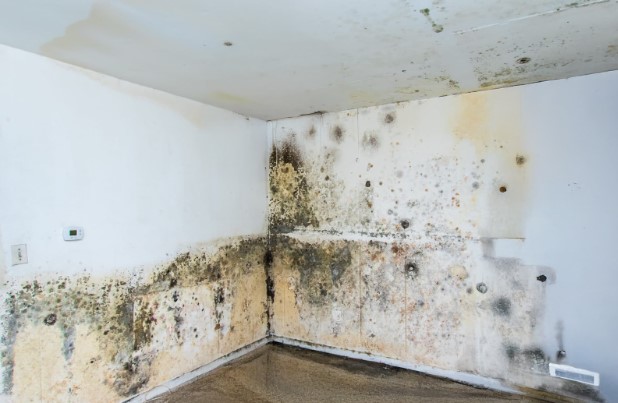
After Hidden Water Intrusion in Palm Bay: A Closer Look at Air Blower Installation
In Palm Bay, water intrusion doesn’t always announce itself.
There’s no dramatic ceiling collapse. No standing water across the floor. Sometimes it’s just a faint stain near a window. A slight musty odor after heavy rain. A wall that feels a little cooler than the rest.
Hidden water intrusion is common in Palm Bay homes, especially after strong summer storms or wind-driven rain events. And when moisture settles behind drywall, under flooring, or inside insulation, proper drying becomes critical.
That’s where air blower installation plays an important role — but only when used correctly.
What Hidden Water Intrusion Looks Like
Hidden water intrusion often begins subtly.
In Palm Bay neighborhoods near canals, low-lying areas, or homes with aging roofing systems, moisture can enter through:
• Minor flashing failures
• Window seal gaps
• Sliding door tracks
• Roof penetrations
• Exterior wall cracks
• Garage door seals
Once inside, water rarely stays in one place.
It travels along framing, seeps into insulation, and wicks through drywall.
By the time visible signs appear, moisture has often spread beyond the original entry point.
Why Palm Bay Homes Are Vulnerable
Palm Bay experiences frequent heavy rainstorms, high humidity, and seasonal tropical systems. Even inland properties feel the effects of coastal moisture cycles.
Several local conditions increase risk:
• High water tables during rainy seasons
• Slab foundations common in subdivisions
• Attic ductwork exposed to heat and humidity
• Aging building materials in older communities
• Extended AC runtime creating condensation
After storms, humidity remains elevated for days. That slows natural drying and allows hidden moisture to linger.
Without intervention, mold growth can begin within 24 to 48 hours.
Why Proper Drying Matters
When hidden water intrusion is confirmed, structural drying becomes the priority.
Simply wiping surfaces or running household fans won’t address moisture inside wall cavities or beneath flooring.
Improper drying leads to:
• Mold development
• Warping materials
• Odors
• Structural weakening
• Recurring moisture problems
Air blowers — also called air movers — are designed to accelerate evaporation from wet materials.
But they must be installed strategically.
What Air Blower Installation Actually Involves
Air blower installation is more than plugging in a fan.
In Palm Bay homes, proper installation typically includes:
• Identifying wet materials using moisture meters
• Opening wall cavities if necessary
• Positioning blowers at calculated angles
• Coordinating airflow with dehumidifiers
• Creating controlled drying zones
• Monitoring moisture levels daily
The goal is to move air across damp surfaces to increase evaporation while simultaneously removing moisture from the air.
Air movement without dehumidification simply redistributes humidity.
The Pressure Balance Challenge
One of the most overlooked aspects of air blower installation is pressure control.
Florida homes are sensitive to pressure differences. If blowers create negative pressure inside the structure, humid outdoor air may be pulled in through gaps and attic penetrations.
That can:
• Increase indoor humidity
• Slow drying progress
• Introduce additional moisture
• Expand the affected area
Proper airflow calculations prevent this.
Professional drying setups ensure air moves across wet materials without drawing in new moisture.
Slab Foundations and Subfloor Considerations
Many Palm Bay homes sit on slab foundations.
When water intrusion occurs, moisture can seep into expansion joints and cracks in concrete. Even after surface drying, slabs may continue releasing moisture upward.
Air blowers are often used in combination with:
• Commercial dehumidifiers
• Moisture barriers
• Floor removal if necessary
If flooring is reinstalled before slabs are fully dry, recurring damage is almost guaranteed.
Moisture testing determines when it’s safe to rebuild.
Attic and Duct Complications
Hidden intrusion sometimes affects attic spaces.
Wind-driven rain can enter through vents or compromised roofing materials, dampening insulation and framing.
If ductwork runs through that attic — which is common in Palm Bay — humidity can circulate throughout the home.
Air blower installation may be used in attic spaces as part of structural drying, but only after confirming the source has been corrected.
Drying without repairing the entry point is ineffective.
When Air Blowers Are Not Enough
Air blowers are powerful tools, but they are not standalone solutions.
They must work in coordination with:
• Moisture detection
• Dehumidification
• Containment (if mold is present)
• Source repair
In cases where hidden water intrusion has already led to microbial growth, air scrubbers and remediation may also be necessary.
Companies like Inspections and More FL approach hidden intrusion cases by diagnosing the full moisture path before installing drying equipment.
That prevents partial fixes.
Monitoring During the Drying Process
Drying isn’t guesswork.
During air blower operation, professionals monitor:
• Wood moisture content
• Drywall moisture levels
• Ambient humidity
• Temperature conditions
• Airflow patterns
Adjustments are made daily.
Equipment placement may shift as drying progresses.
The process continues until materials return to safe moisture thresholds.
Stopping too early often leads to recurring issues weeks later.
Preventing Future Hidden Intrusion
Palm Bay homeowners can reduce the risk of hidden water problems by:
• Inspecting roofing and flashing annually
• Sealing window frames and exterior penetrations
• Cleaning gutters regularly
• Monitoring indoor humidity
• Scheduling post-storm inspections
• Checking for subtle staining after heavy rain
Even minor leaks deserve prompt attention.
Hidden water intrusion rarely resolves on its own in Florida’s humid climate.
Why Local Experience Matters in Palm Bay
Moisture behaves differently in Palm Bay than in Merritt Island or Sanford.
Understanding:
• Palm Bay’s drainage patterns
• Subdivision construction styles
• Slab moisture migration
• Attic ventilation layouts
• Seasonal rain intensity
allows for faster and more accurate drying strategies.
Localized knowledge reduces over-drying, under-drying, and unnecessary demolition.
Experience prevents trial-and-error.
A Practical Next Step
If you suspect hidden water intrusion in your Palm Bay home, early inspection is key.
Air blower installation can be highly effective when integrated into a structured drying plan.
But success depends on identifying the source, controlling humidity, and monitoring moisture carefully.
Hidden moisture spreads quietly.
Addressing it properly protects both the structure and the indoor environment — before small signs become larger repairs.
